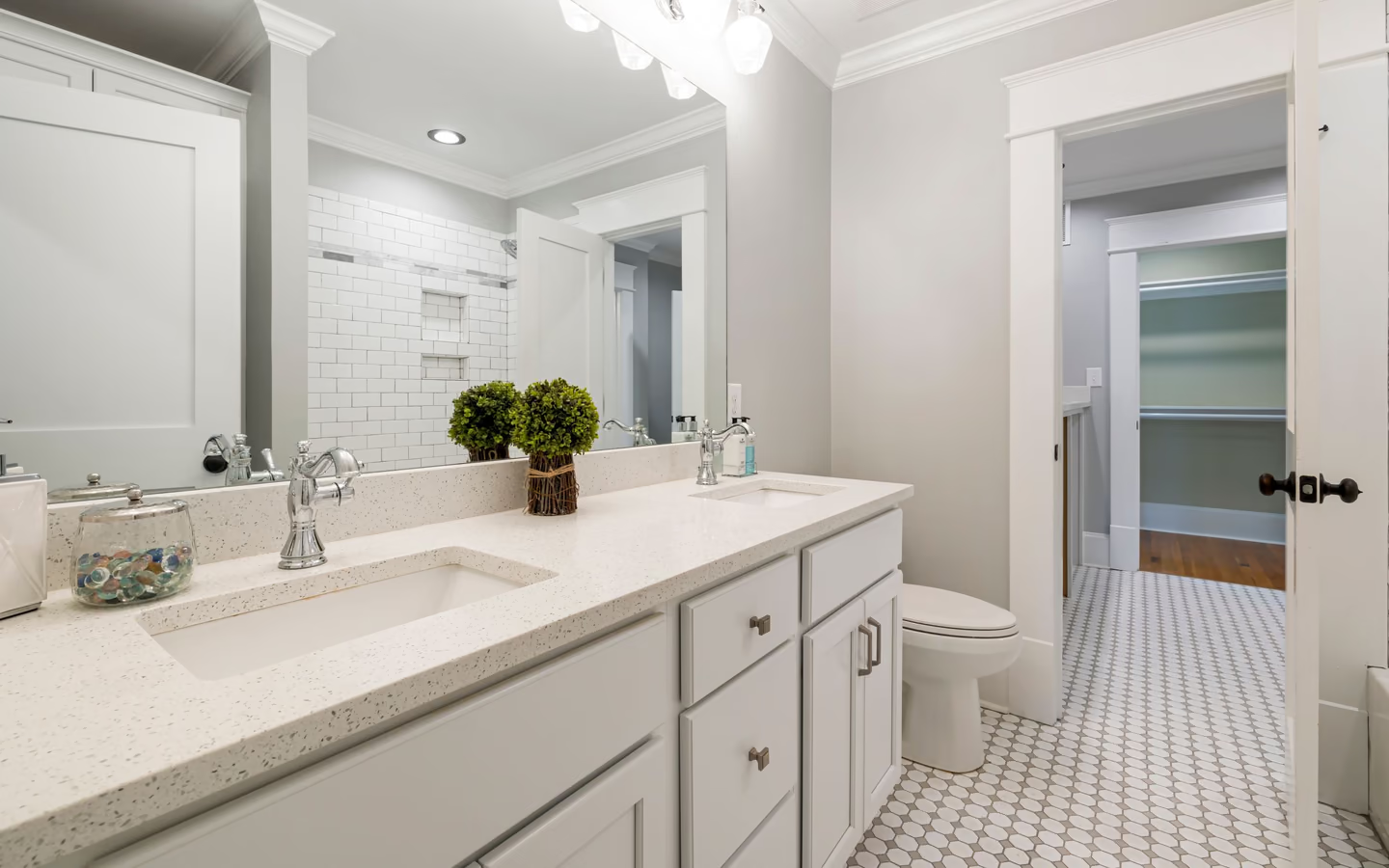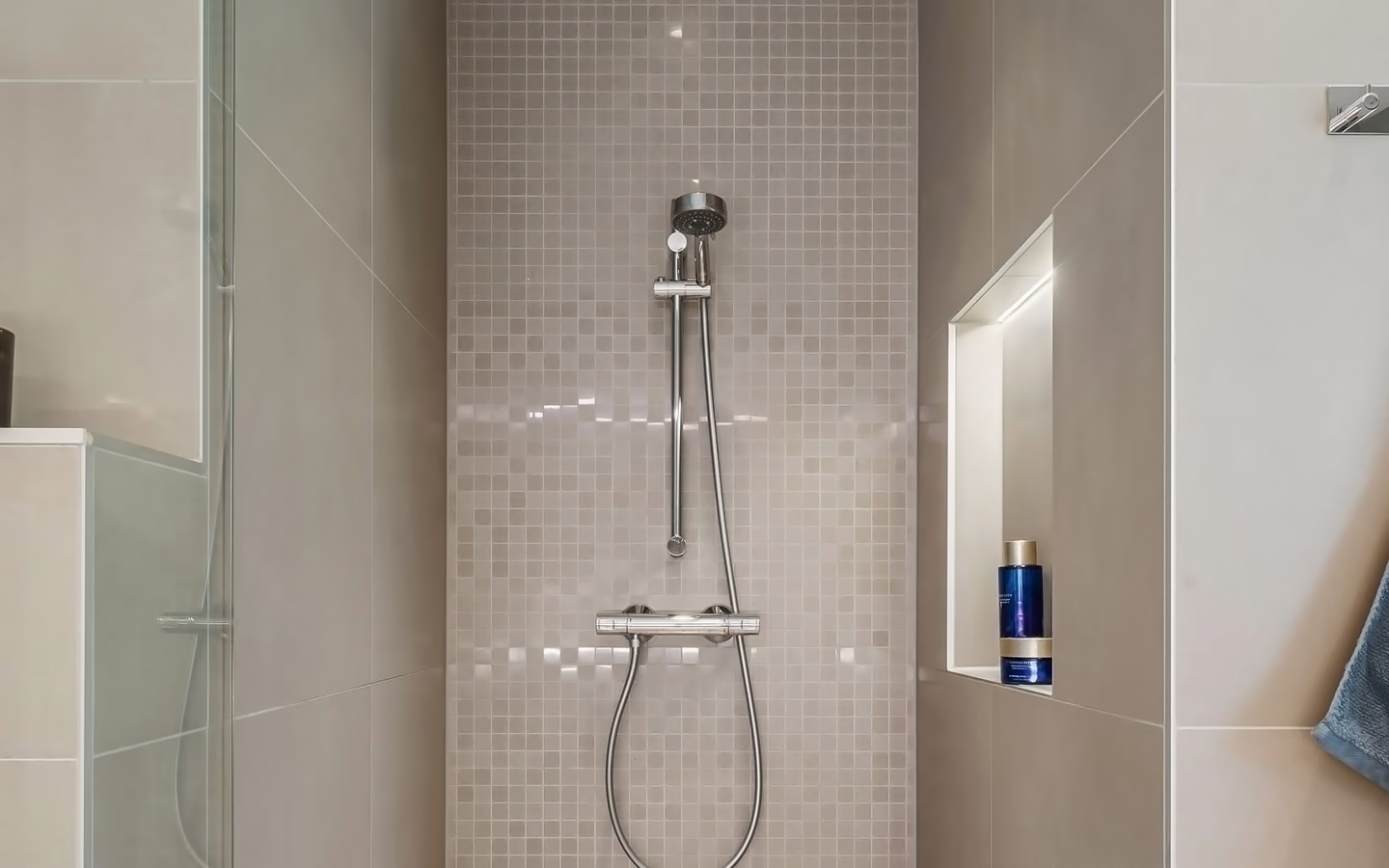
Where the two genuinely differ
Density is the real divide: porcelain's finer body fired harder yields lower absorption, better frost and wet performance, and through-body options whose chips show less; the same density makes it harder to cut, less forgiving of substrate imperfection, and typically pricier per box. Ceramic's softer body cuts sweetly, installs forgivingly, and serves dry and splash walls at friendly prices, with glaze quality doing the visible work.
Installation consequences follow the body: dense large-format porcelain demands flatter substrates, appropriate setting materials, and more installer skill, labor that belongs in the comparison alongside the box price. Ceramic's forgiveness is a real economy on walls and patterns with many cuts; the aisle-sign premium often inverts once labor joins the math.
Ownership rounds out the picture: both clean easily, glazed surfaces resist stains, and repair means replacement tiles from the same lot, which is why attic stock from your batch is the cheapest insurance in tiling. Availability differs by line, not by category; the discontinued-pattern problem strikes both, and the extra box strikes back.