Hiring and project management checklist

Run the consultation like an interview

A consultation without your questions is a sales presentation with your address on it. This interview guide covers the ground that predicts project quality: scope and team, design process, permits, waterproofing, products and allowances, schedule, changes, protection, cleanup, testing, and closeout, with space to record comparable answers across candidates.

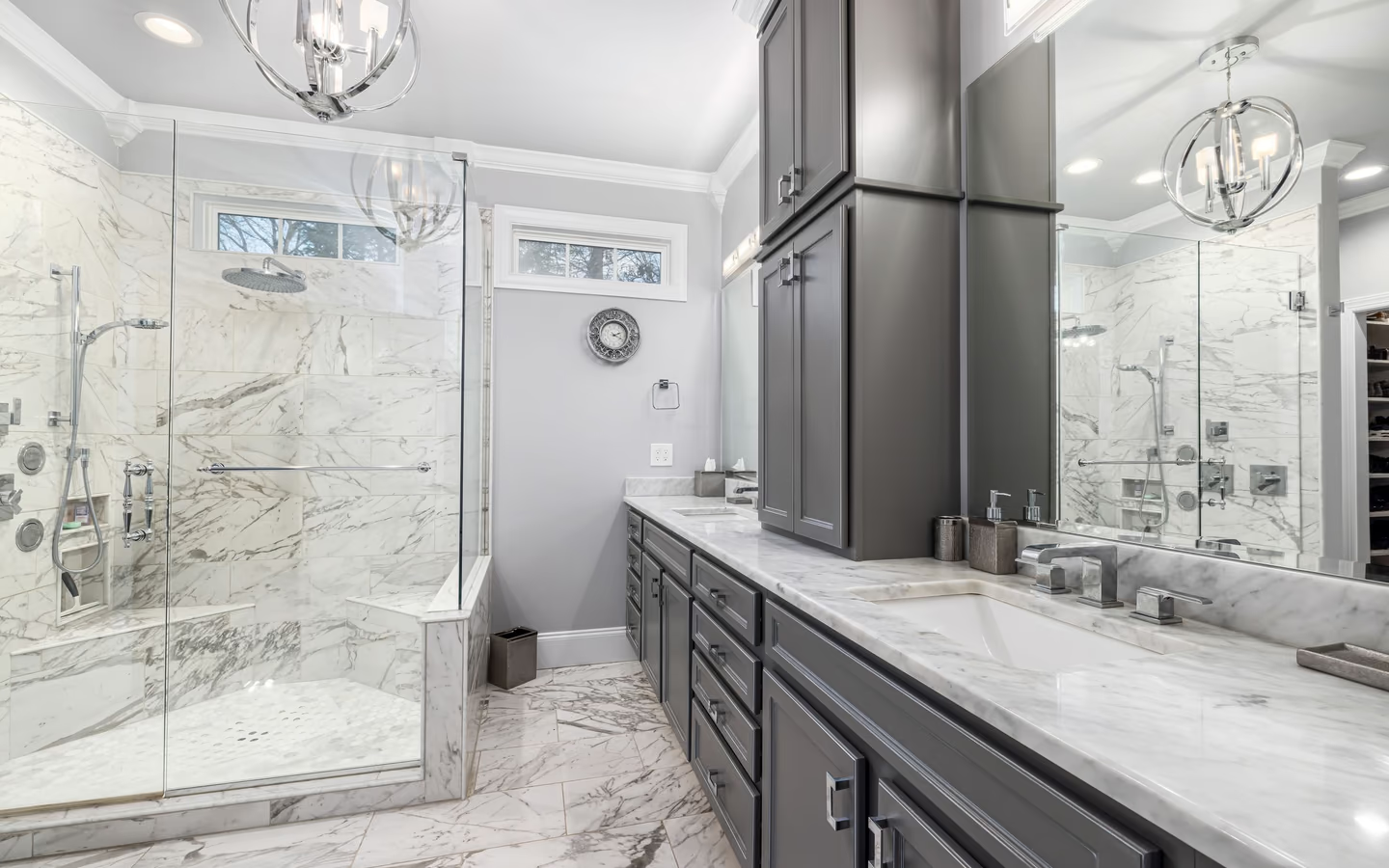
Elegant transitional bathroom with charcoal cabinetry, marble surfaces, and a glass shower
Elegant transitional bathroom with charcoal cabinetry, marble surfaces, and a glass shower.

How to use the interview guide

Ask every candidate the same core questions in roughly the same order, and write the answers down during the meeting. Memory flattens differences within a day, and the differences are the data. It is not rude to take notes; professionals respect an organized client and adjust their own precision to match.

Weight the answers by verifiability. A claim you can check, a license number, a named waterproofing system, a reference from a similar project, a written process for changes, is worth ten pleasant assurances. When an answer is vague, ask the follow-up in the moment; how a candidate handles a second question tells you how they will handle a hard week.

The question areas and what each reveals

Scope and team questions establish who does what: which trades are in-house, what gets subcontracted, who supervises daily, and who is your single point of contact. Fuzzy answers here predict coordination gaps later, because the answer is fuzzy to them too.

Process questions cover the machinery: how design decisions get made and recorded, who handles permit applications where they apply, how selections and allowances are managed, and how changes get documented, priced, and authorized. You are listening for systems that exist before your project rather than ones improvised for your benefit in the meeting.

Technical questions anchor on the wet area: the waterproofing system by name, substrate standards, slope and drainage practice, ventilation sizing, and what verification happens before tile conceals the work. Closeout questions finish the set: what testing precedes handover, what documentation you receive, and how warranty service actually works after the invoice is paid.
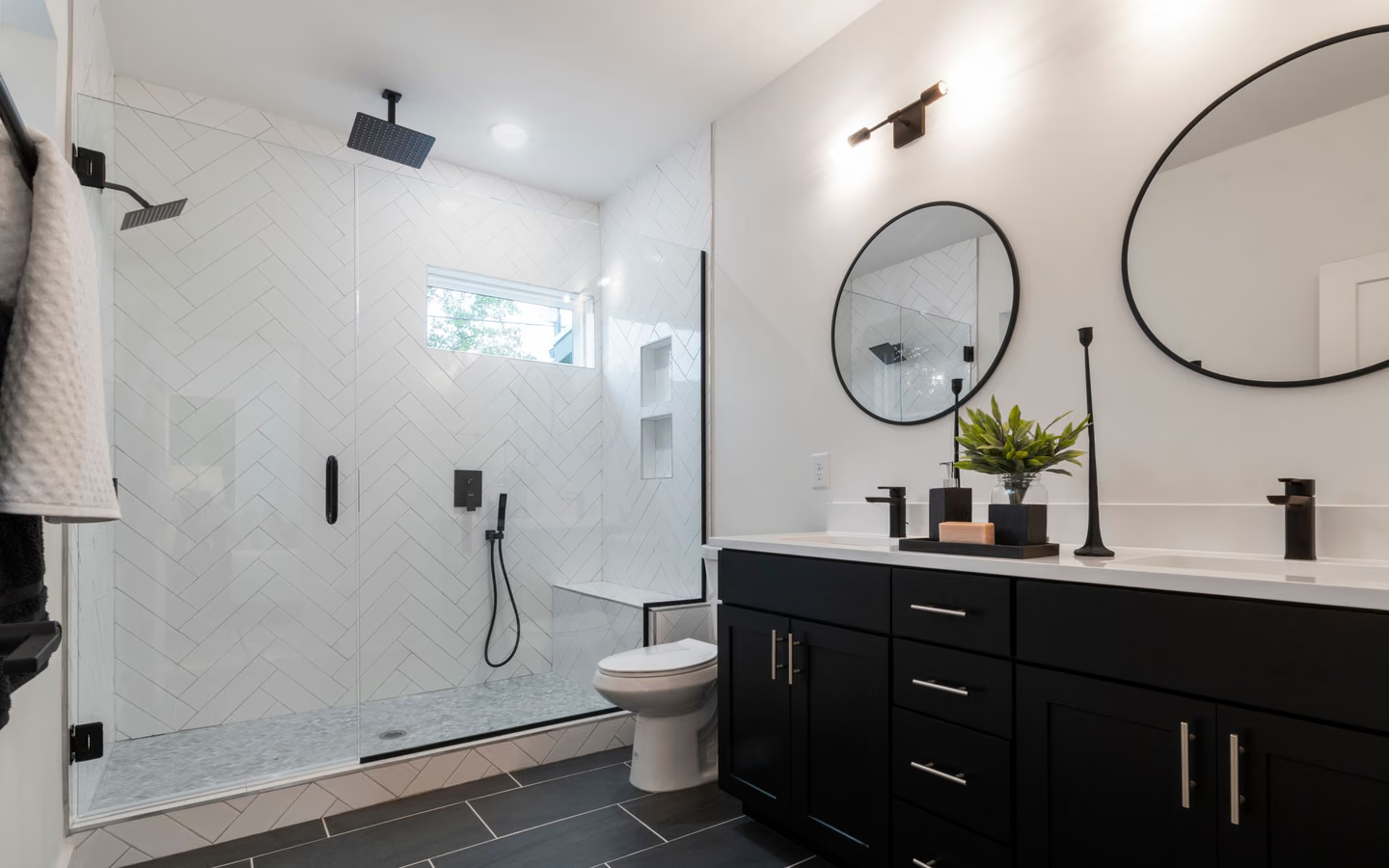

Contemporary bathroom with a black vanity, twin round mirrors, and a glass shower
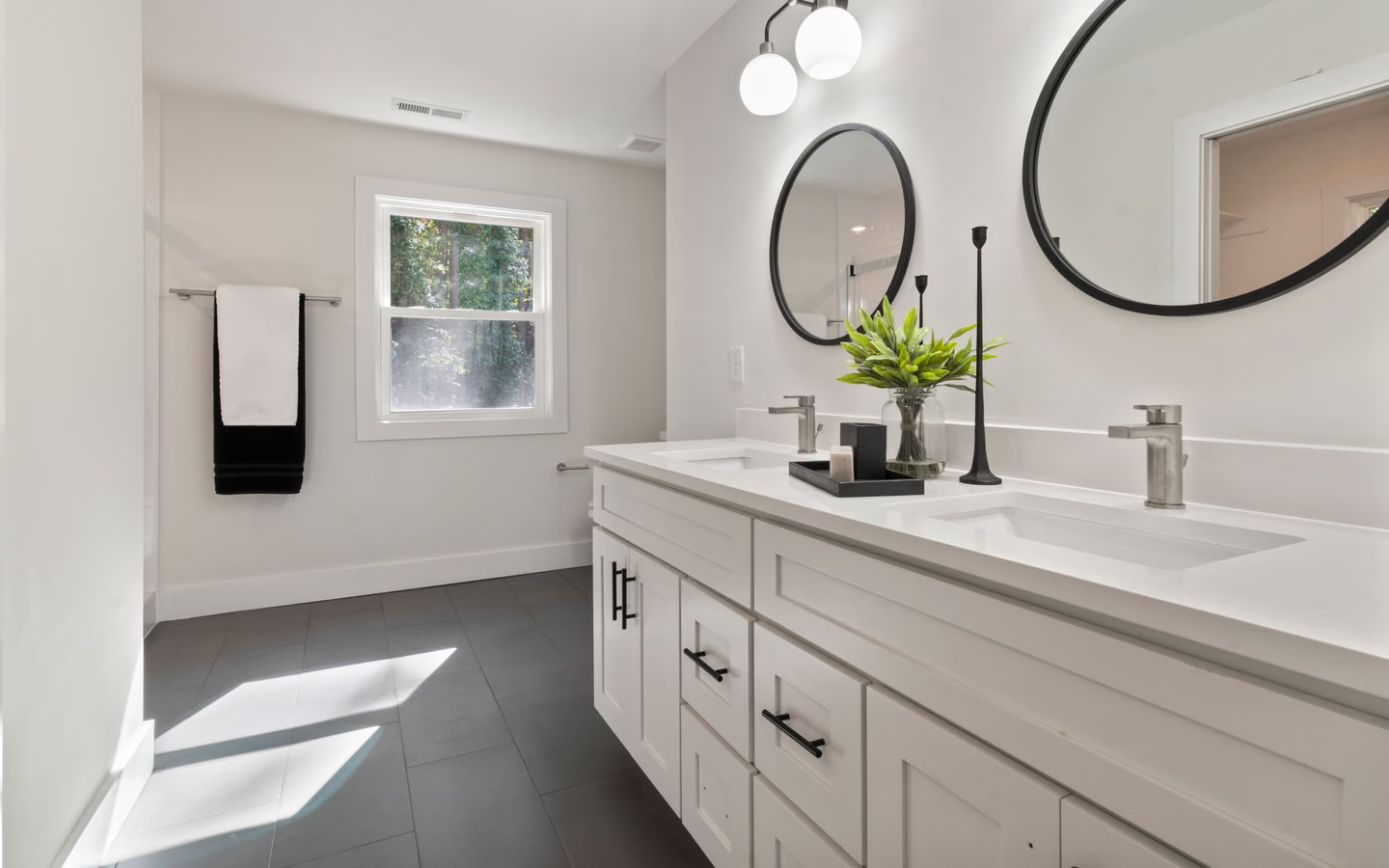
Contemporary bathroom with a black vanity, twin round mirrors, and a glass shower.

Question areas mapped to what they predict

The areas run in conversation order; the right column is what the quality of each answer forecasts.

Consultation question areas and what strong answers predict.
TopicAsk aboutStrong answers predict
Team and supervisionIn-house trades, subs, daily supervision, single contact.Coordination that survives a busy season.
Design and selectionsHow decisions get made, recorded, and revised.Fewer mid-project stalls waiting on undecided products.
Wet-area techniqueNamed waterproofing system, substrate and slope standards.A shower that outlasts its grout lines.
Changes and discoveriesWritten pricing and authorization before proceeding.Surprises handled as process, not leverage.
CloseoutTesting, documentation, and a warranty with a phone number.A relationship that survives the final payment.

Bring, ask, record

The consultation rewards preparation. Arrive with the first group done and leave with the last group written.

Bring

  • Your written scope, even in draft

  • Room photos and measurements

  • Your must-have questions marked in this guide

Ask

  • The same core set of every candidate

  • Follow-ups whenever an answer stays vague

  • Anything that felt off in their marketing

Record

  • Answers noted during the meeting, not after

  • Names: supervisor, contact person, key trades

  • Your impression of how disagreement would go

Bring these questions to the conversation

  • What would you verify in my room before pricing firmly?

    Invites them to show their risk radar. Professionals who want to look before they commit are protecting both parties; instant certainty is a warning.

  • How do selections and allowances work in your process?

    The mechanics of product decisions cause more project friction than any technical trade. A working system, deadlines, records, substitution rules, is a great sign.

  • What happens when you find something unexpected?

    You want the sequence: stop, document, price in writing, get authorization, proceed. Any answer without the authorization step is a blank check.

  • What does closeout include, and what do I keep?

    Testing before handover, care documentation, and warranty terms with a real service process separate finished projects from abandoned ones.

Common questions

Frequently asked questions

Should I share my budget in the consultation?

Share the range you can defend and watch what it does to the conversation. A professional who redesigns scope to fit your number is planning with you; one who inflates scope to consume it is not.

What if a candidate cannot answer the technical questions?

Salespeople sometimes front technical operations, which is workable only if the technical answers arrive promptly in writing from the people who will build. No answers by the second conversation is your answer.

Sources and methodology

Research & methodology

Sources

References supporting the planning guidance on this page.

  1. Bathroom Planning GuidelinesNational Kitchen & Bath Association
    Trade sourceAccessed
  2. Trade sourceAccessed

Share your project. Call when ready.

Turn your research into a clear project request

Share your project, full service address, and contact details securely, then call when you are ready to discuss availability with an independent professional.