
Accessibility
How do I plan an aging-in-place bathroom?
Plan in three time layers: install what helps now, level entry, light, levers, comfort heights; add what helps soon, seating, hand shower, first supports; and provision invisibly for someday, blocking everywhere, widenable doorways, seated-reach controls. The room serves decades when the walls carry tomorrow's dimensions under today's finishes.
The direct answer
The method: name the users and their realistic horizon, borrow dimensions from the published accessibility standards, entries, reach ranges, clear widths, transfer spaces, and route each into a layer. The now layer upgrades everyone immediately: a low or level shower entry, layered lighting with a night path, lever hardware, comfort-height toilet, and traction flooring. The soon layer rides the same construction: a bench or seat provision, a hand shower on a slide bar, and supports at the balance points daily life already reveals. The someday layer is nearly free during framing and priceless later: blocking behind every plausible support location, a doorway framed for widening, and valve heights that serve seated use.
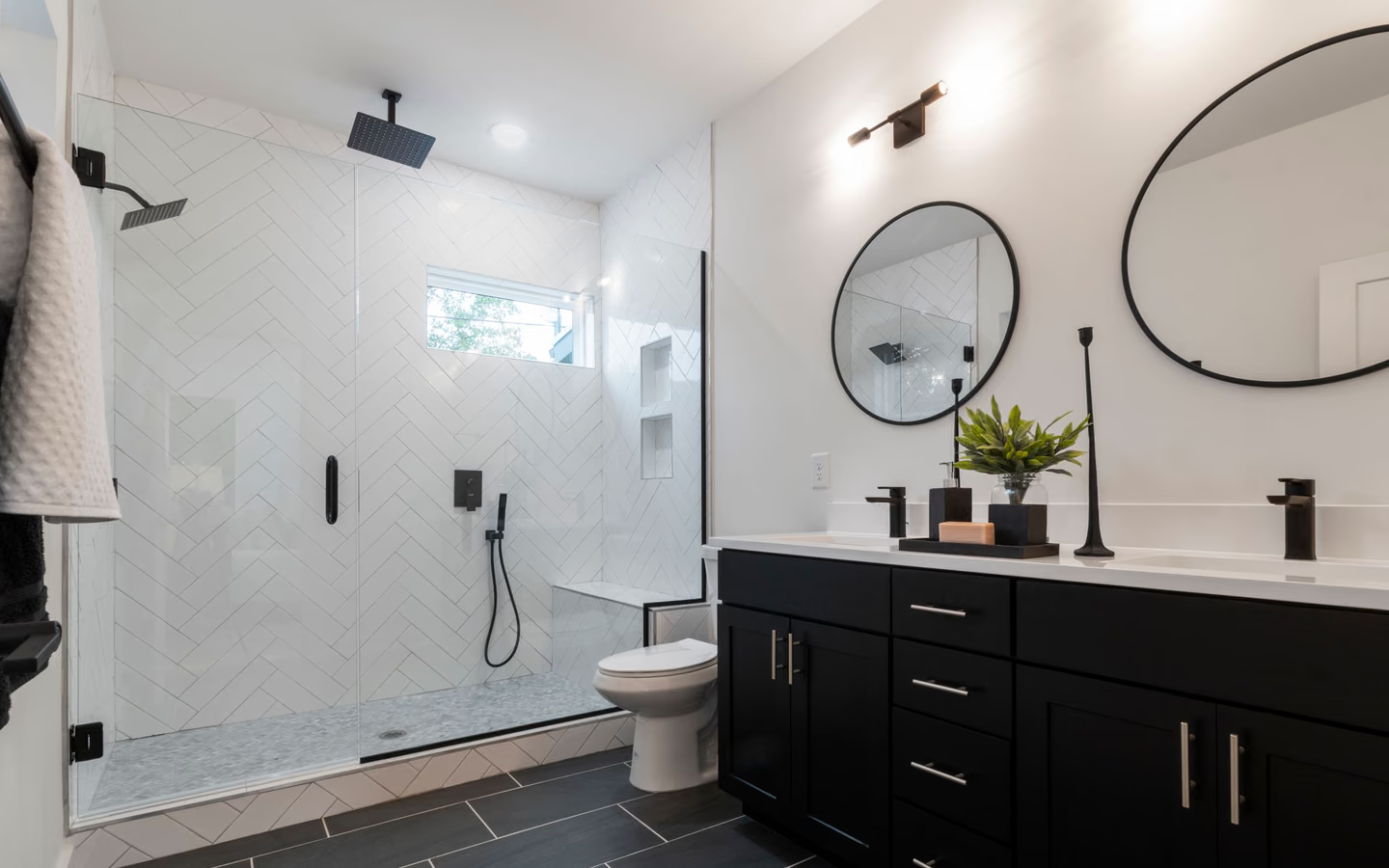
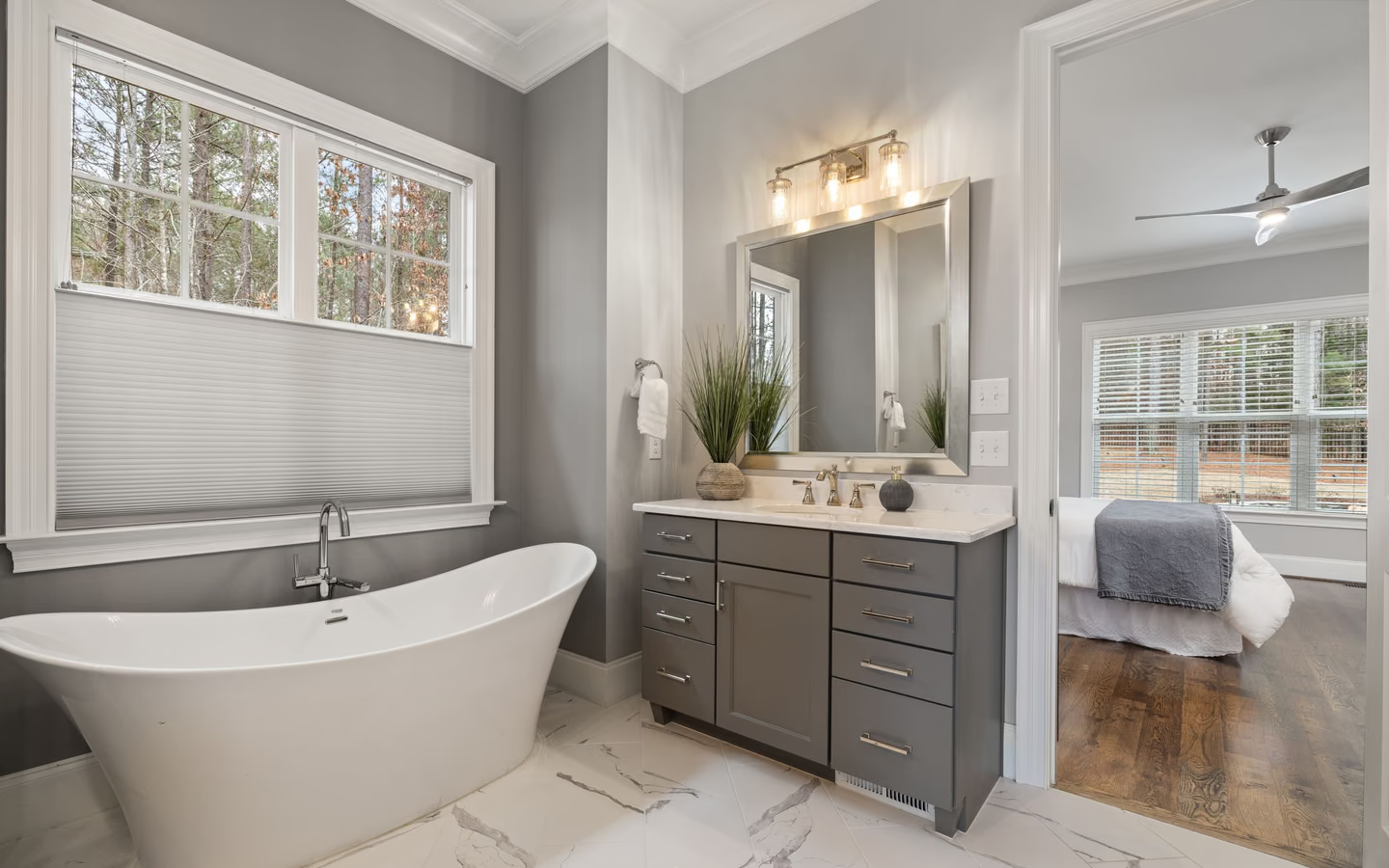
The design constraint that keeps homes happy: everything ships in premium residential language, since rooms that look clinical get resisted by the people they serve. Level entries and benches read as modern; readiness hides in studs.
The economics of planning ahead
The premium concentrates in geometry, entry construction and any doorway work, while provisioning rides at near-zero marginal cost, which is why the one-remodel plan beats the remodel-now-retrofit-later path by roughly the retrofit's entire price. Published wage realities make the comparison stark: opening finished walls to add blocking costs more than the blocking did by orders of magnitude.
Comfort returns start immediately: better light, easier entries, and warmer floors serve the fifty-year-old who installed them long before they serve the eighty-year-old who planned ahead.
The three layers in practice
| Topic | What goes in | Why during this remodel |
|---|---|---|
| Now layer | Level or low entry, lighting layers, levers, comfort heights, traction floor. | Better for every age immediately; simply good design. |
| Soon layer | Shower seat, slide-bar hand shower, first supports on blocked walls. | Cheap while the wet zone is open; visible retrofits later. |
| Someday layer | Blocking maps, widenable framing, seated-reach rough-ins. | Pennies in framing, renovations later; the plan's whole argument. |
Questions for aging-in-place bidders
- What will you provision that we will not see?
The invisible list is the product; a bidder leading with blocking and widths understands the assignment.
- Which published dimensions anchor this plan?
Fluency with the access standards separates practitioners from adjective users.
- How will you document what is behind the walls?
Photos and a marked drawing turn someday installs into screw-ins.
Common questions
Frequently asked questions
When is the right time for this remodel?
When the household commits to staying: every year earlier makes the provisions cheaper insurance and extends the comfort dividend. The wrong time arrives with the fall that makes it urgent.
Will aging-in-place features hurt resale?
Built as design, they broaden appeal: level entries and generous space photograph as premium to every age. The market resists clinical retrofits, which is precisely what building readiness in avoids.
Sources and methodology
Research & methodology
Sources
References supporting the planning guidance on this page.
- American Community Survey Data TablesU.S. Census Bureau
- Guide to the ADA Accessibility Standards: Bathing RoomsU.S. Access Board
- Bathroom Planning GuidelinesNational Kitchen & Bath Association
- About MoldCenters for Disease Control and Prevention
Share your project. Call when ready.
Turn your research into a clear project request
Share your project, full service address, and contact details securely, then call when you are ready to discuss availability with an independent professional.