
Showers and tubs
Should I replace my bathtub with a shower?
If nobody has filled the tub in a year and the home keeps bathing flexibility somewhere else, the conversion is usually the right call: better daily use, easier entry, and the room's largest floor reclaim. The two honest gates are the household's real bathing habits and the house's tub inventory, and both deserve a look before the sledgehammer votes.
The direct answer
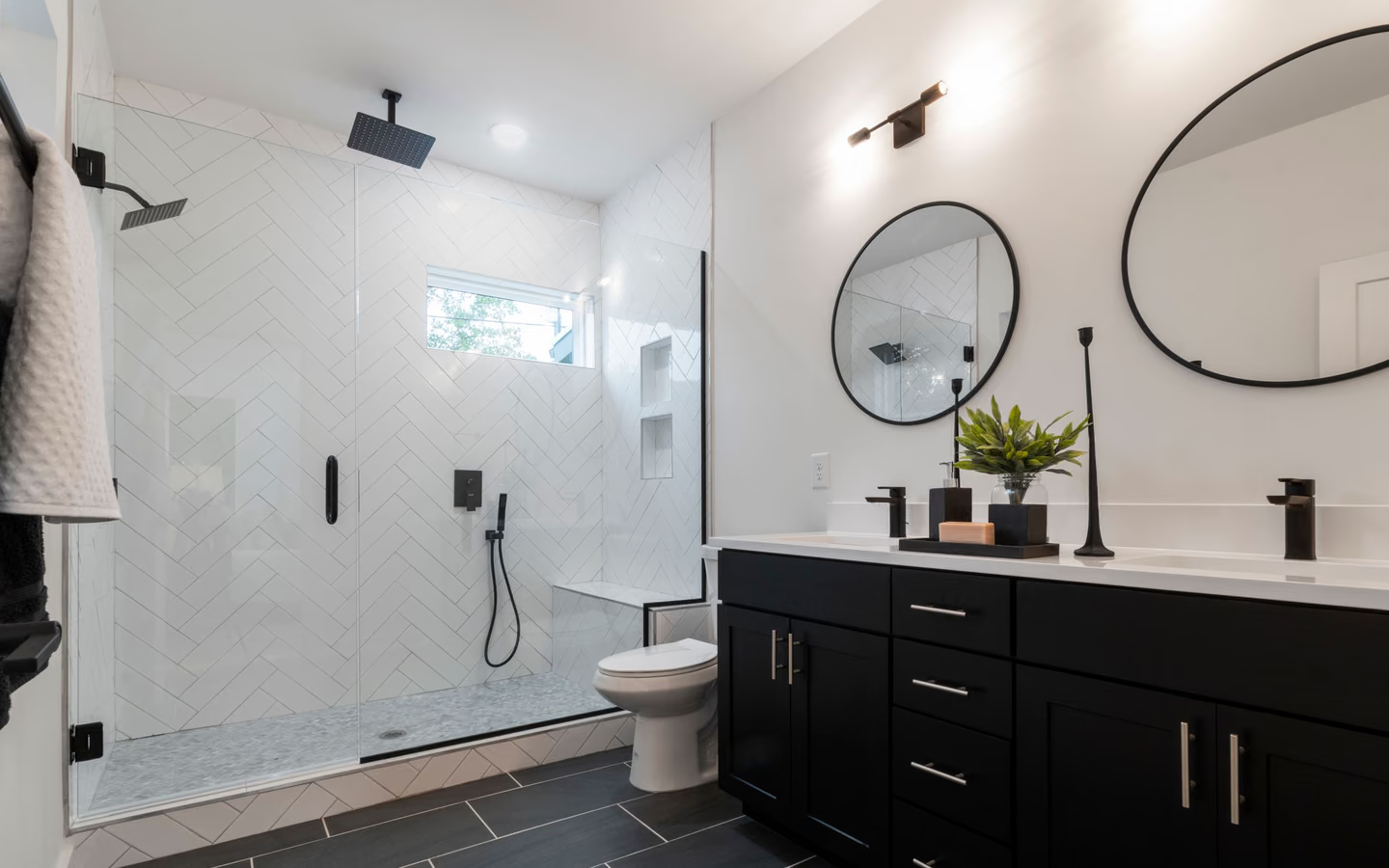
Convert when the evidence supports it: showers dominate the household's actual bathing, the tub wall has become an entry obstacle for anyone, and at least one tub remains elsewhere in the home for children, soaking, and future buyers. The conversion rebuilds the footprint to shower standards, relocated drain, membrane assembly, full-height walls, standing-reach controls, and returns a low or level entry that serves every age.
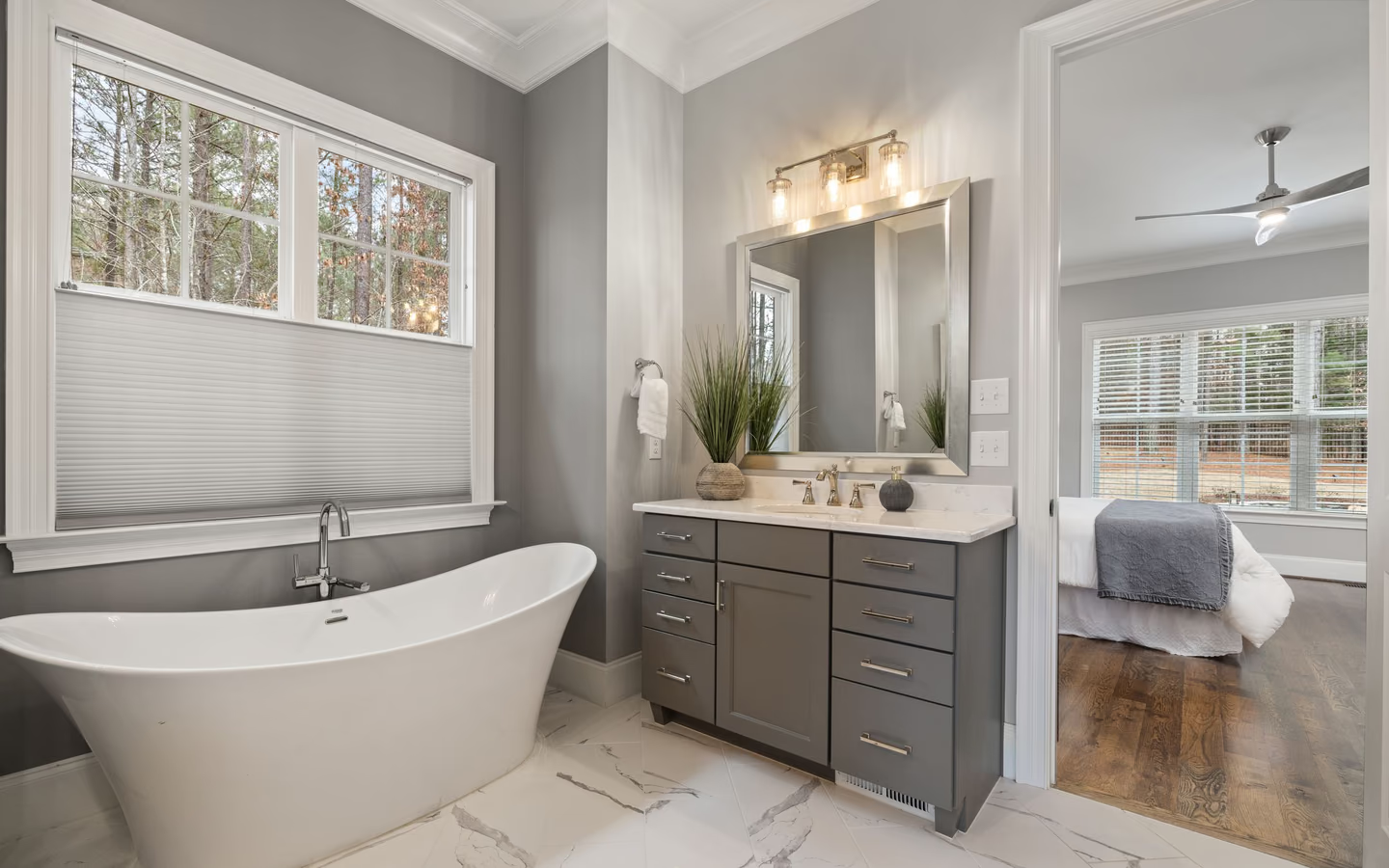
Keep the tub when it is the home's only one and small children, therapeutic soaking, or resale caution genuinely weigh in, or when bathing habits honestly split. A quality tub with a properly membraned surround is not a compromise; it is the right answer to a different set of facts.
What the swap changes in cost and use
The conversion prices as real construction, drain relocation, membrane, walls, and entry work, not as a fixture swap, and it returns daily dividends: faster bathing, easier cleaning, safer entry, and a footprint that finally serves how the household lives. Cost concentrates in the plumbing and waterproofing chapters that make the result durable.
Value effects track the inventory rule: conversions in multi-tub homes read as upgrades, while last-tub conversions trade breadth for daily fit. Neither is wrong; they are different bets, and the facts above pick between them.
Convert or keep, by your facts
| Topic | Points toward converting | Points toward keeping |
|---|---|---|
| Bathing habits | The tub's last fill is a memory; showers carry every routine. | Weekly soaks or small children make the tub a working fixture. |
| Entry safety | The wall climb worries anyone in the household today or soon. | Entry is comfortable and the shower-over-tub serves fine. |
| House inventory | Another tub lives elsewhere; flexibility is preserved. | This is the home's only tub and the market is family-shaped. |
Questions for the conversion conversation
- What will you do with the drain, and why?
Relocation for pan slope is the honest norm; a bidder reusing the tub drain as-is has pre-compromised your floor.
- How high will the new walls be protected?
Full-height membrane per current methods; the tub rim's old excuse leaves with the tub.
- What entry height serves this household?
Low curb or level, chosen from your users rather than from stock; the answer shows who the bidder is designing for.
Common questions
Frequently asked questions
Will removing the tub hurt my home's value?
In homes that keep a tub elsewhere, quality conversions typically read as modern upgrades; in last-tub homes, some family-stage buyers discount. The finish quality and entry safety you gain daily are yours regardless; the resale question is inventory math.
Can the conversion reuse my existing surround tile?
Honest conversions rarely can: the surround's bottom courses end at the vanished tub rim, and full-height protection wants a rebuilt wall. Plans that keep old tile above a new pan are stacking new work on old assumptions.
Sources and methodology
Research & methodology
Sources
References supporting the planning guidance on this page.
- Guide to the ADA Accessibility Standards: Bathing RoomsU.S. Access Board
- Bathroom Planning GuidelinesNational Kitchen & Bath Association
- Showers FAQTile Council of North America
- NAHB Remodeling Market IndexNational Association of Home Builders
Share your project. Call when ready.
Turn your research into a clear project request
Share your project, full service address, and contact details securely, then call when you are ready to discuss availability with an independent professional.