
Materials
What bathroom countertop material should I choose?
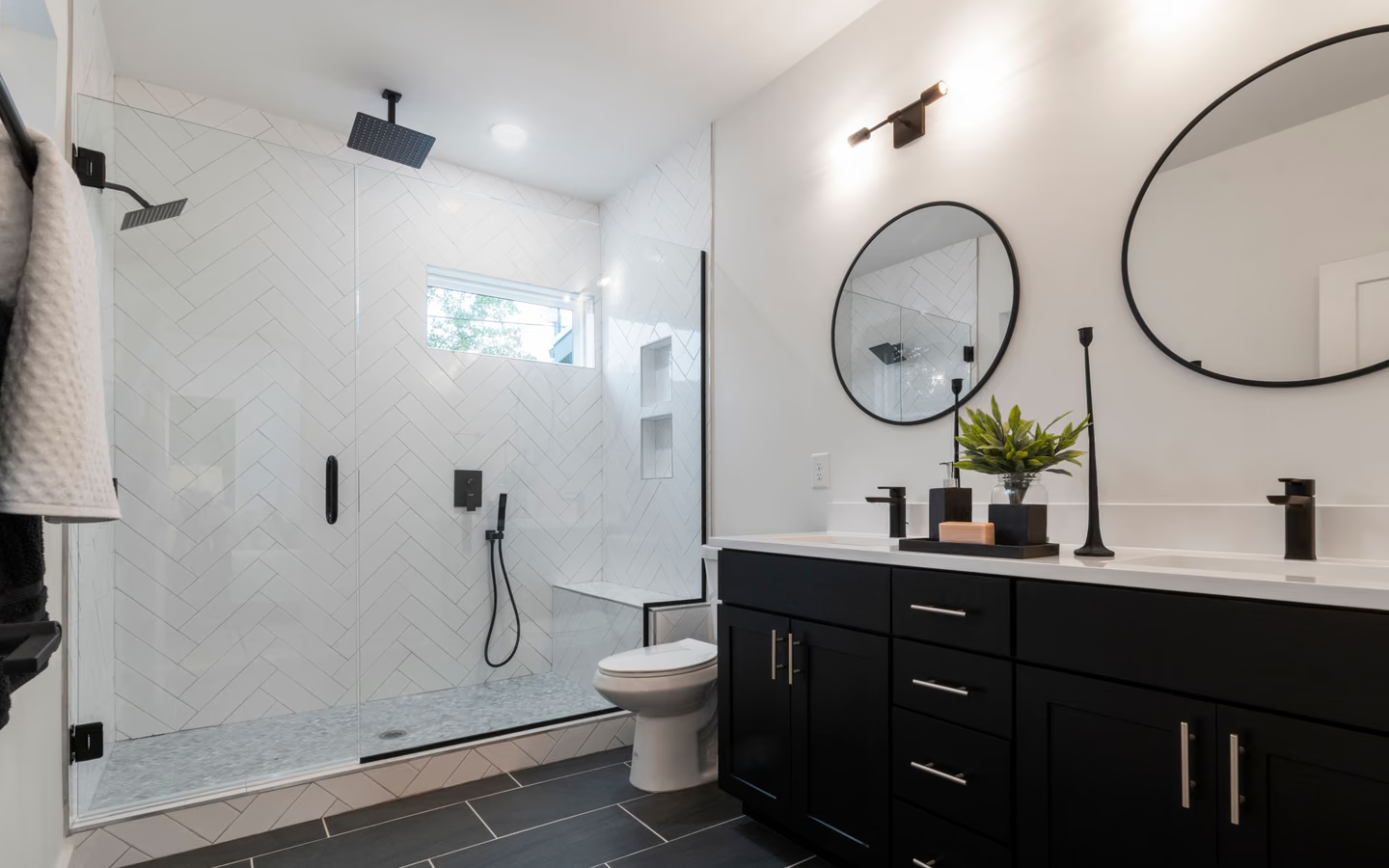
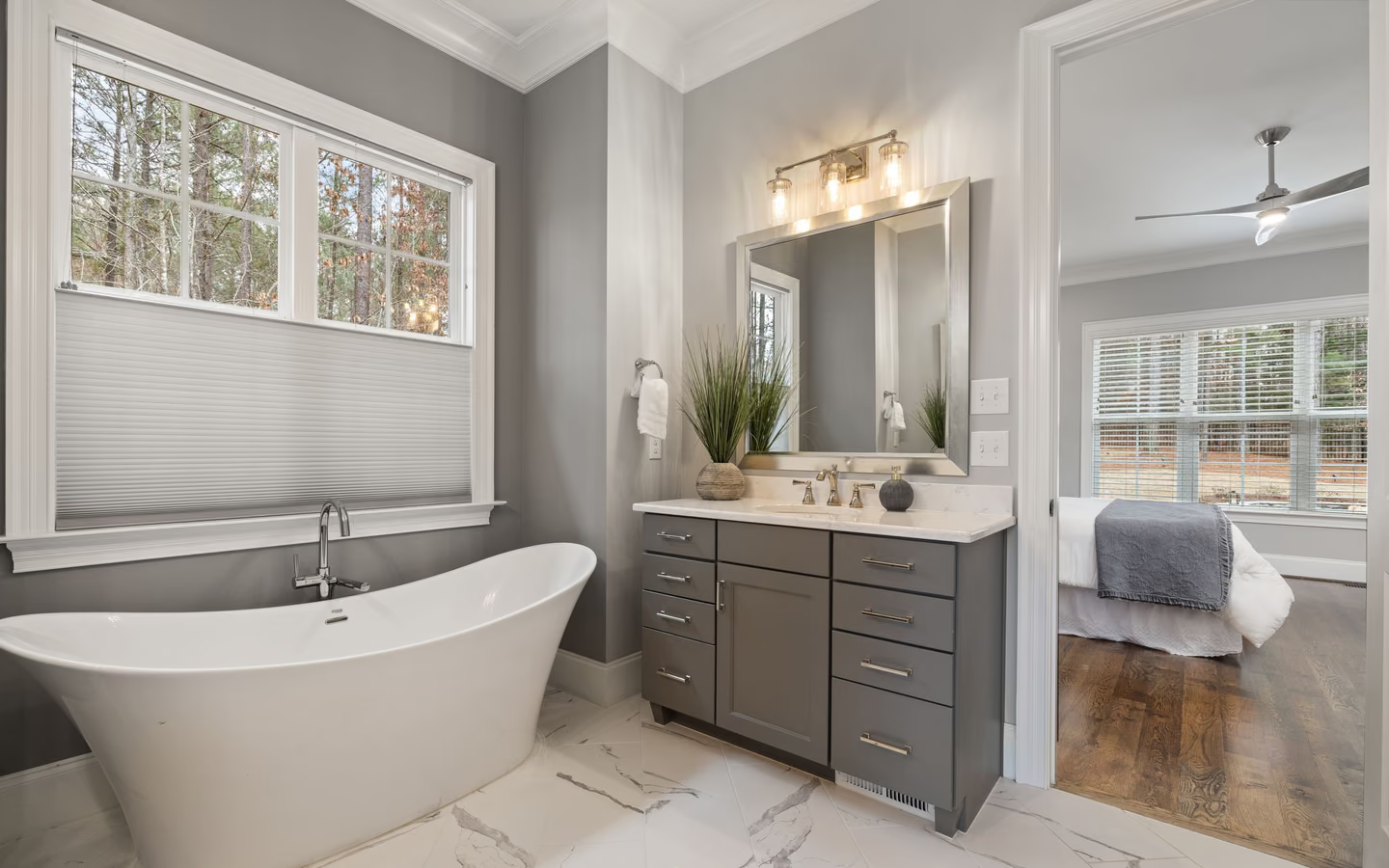
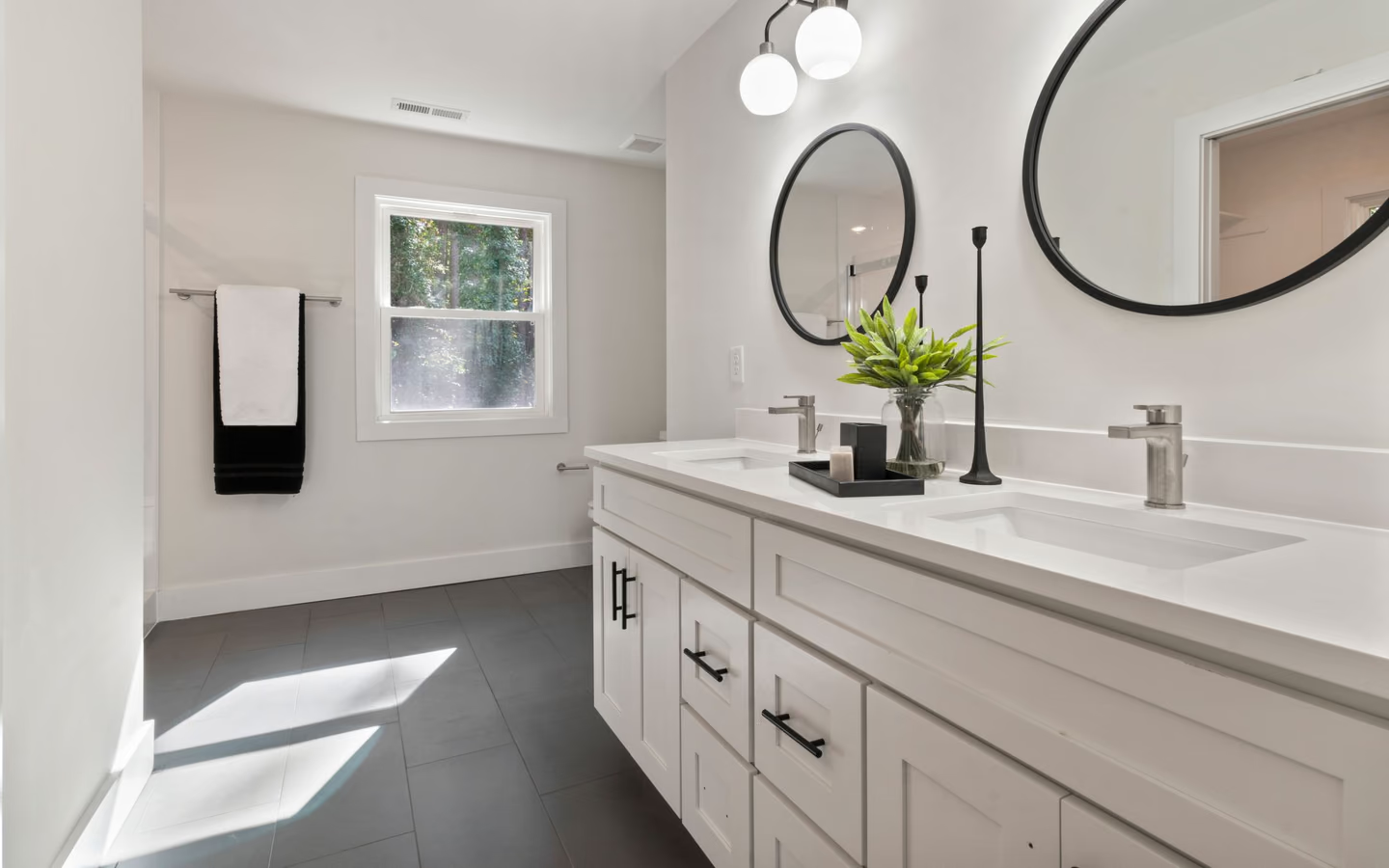
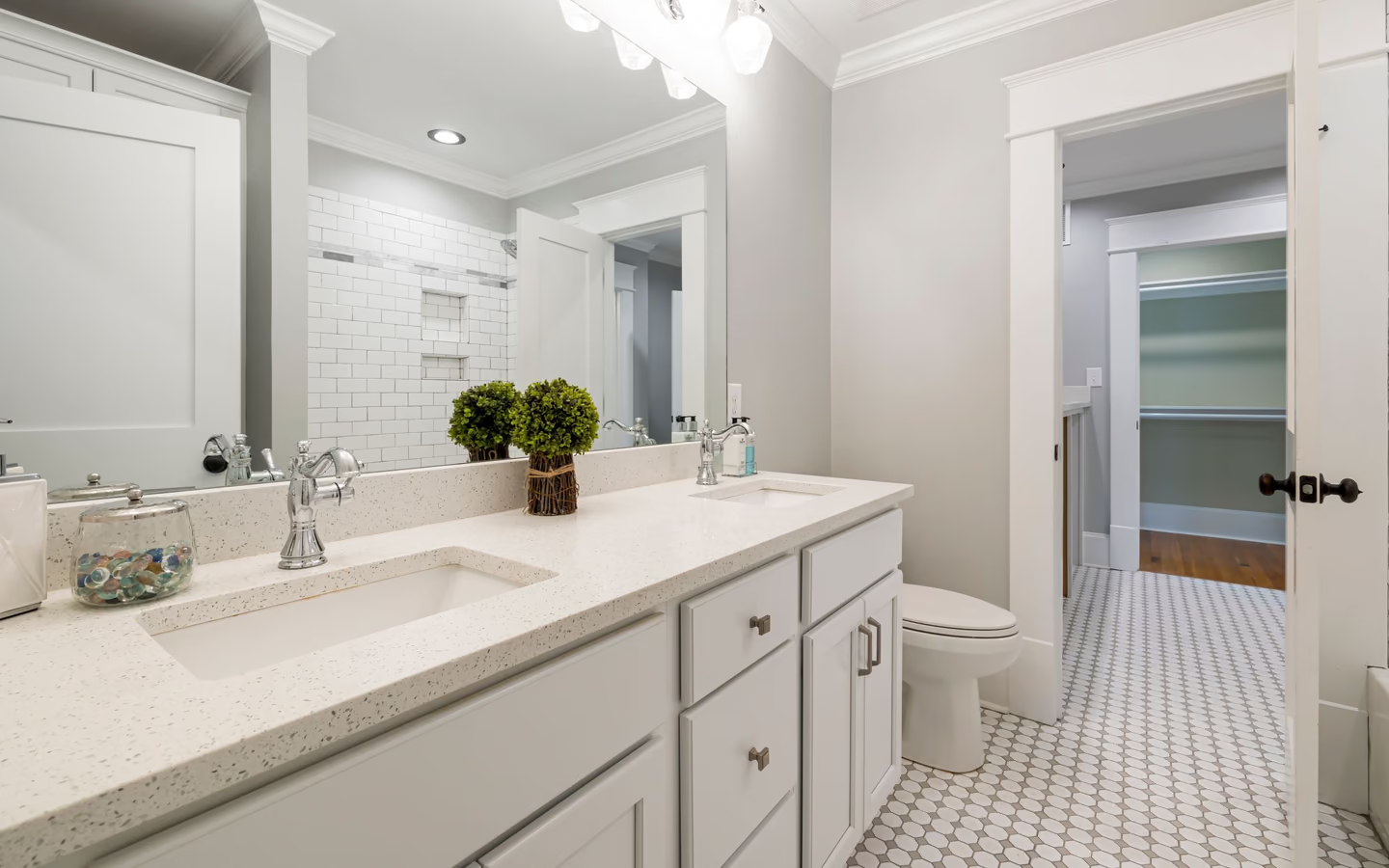
Quartz for the no-thought default, solid surface for seamless hygiene, natural stone for singular looks with a sealing habit, porcelain slab for thin-profile density: the bathroom counter's real enemies are cosmetics chemistry and standing water, and every material above handles them at a different maintenance price. Choose the contract, not just the color.
The direct answer
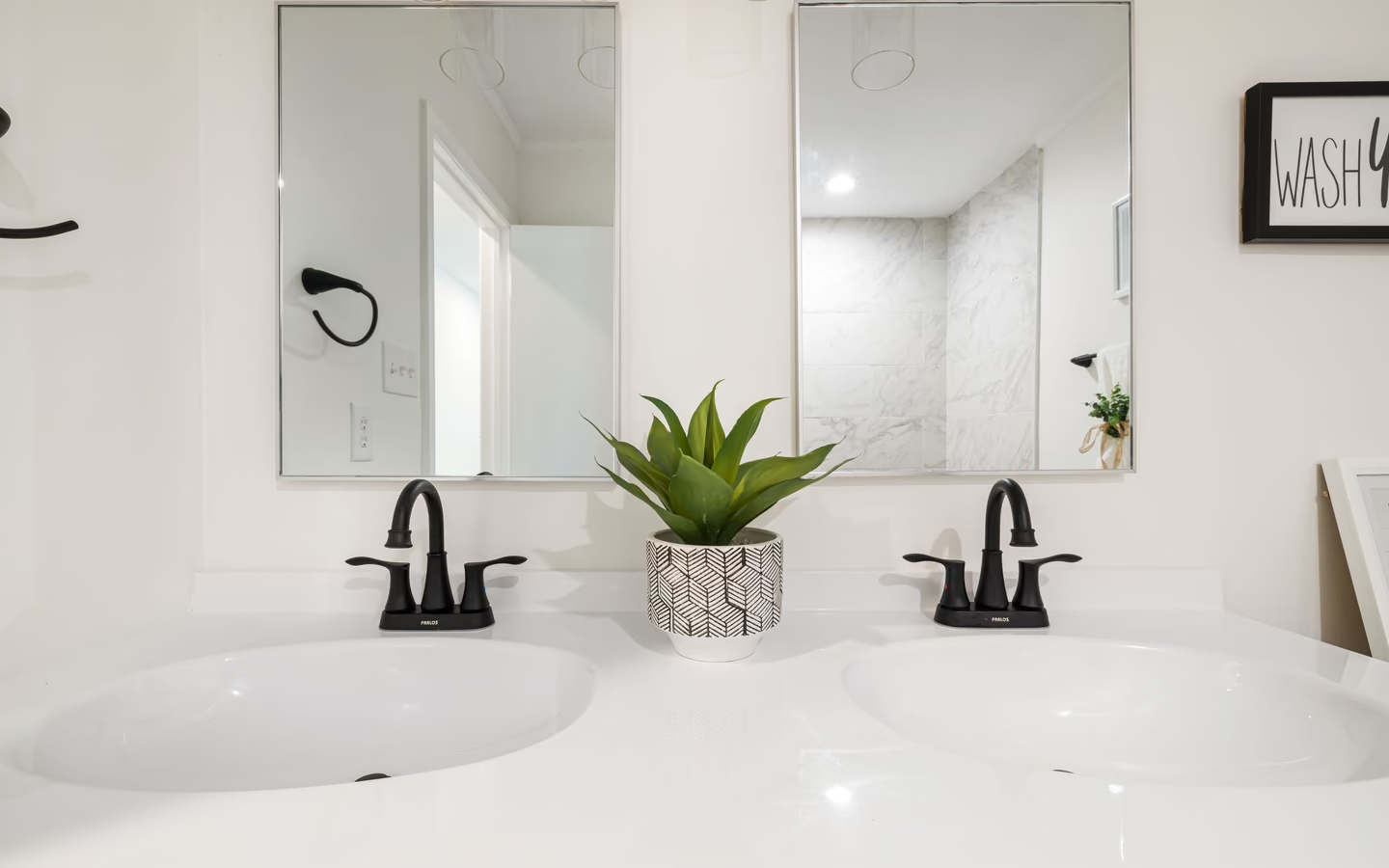
The vanity counter meets more chemistry than any surface in the house, hair products, cosmetics, cleaners, and toothpaste, plus standing water at the faucet line, so tolerance and cleanability lead the specification. Engineered quartz leads the default rankings by shrugging at most of it without sealing; solid surface answers hygiene-first stations with invisible seams, integrated bowls, and sand-out renewability; granite and marble bring provenance with sealing calendars and, for marble, acid honesty; porcelain slab brings dense, thin, stain-indifferent minimalism priced in fabrication finesse.
Bathroom counters also forgive more than kitchens: heat events are rare and knife work absent, which widens the field, softer marbles and detailed edges live better here, and lets looks weigh heavier once the chemistry question is answered.
Price and daily-life behavior
Material sets the sticker, fabrication sets the rest: edges, cutouts, and drilling price shop hours identically across families, and bathroom-scale tops let remnant and offcut pricing shine, especially for stone and porcelain. The daily-life delta is maintenance temperament more than dollars.
Longevity in vanities is cosmetic, not structural: every family above outlasts the cabinet under it, so the year-ten question is how the surface looks after a decade of chemistry, where tolerance and renewability differentiate.
The materials and their vanity contracts
| Topic | Its vanity behavior | Its contract |
|---|---|---|
| Quartz | Chemistry-tolerant, consistent, deep catalog. | Nothing daily; respect for heat tools and sunlight. |
| Solid surface | Seamless with integrated bowls; hygiene's favorite. | Matte manners and renewal by sanding when life happens. |
| Natural stone | Singular veining and presence at the daily station. | Sealing on schedule; marble accepts etching as biography. |
| Porcelain slab | Thin, dense, stain-indifferent minimalism. | Fabricator expertise and edge-chip awareness. |
Questions at the counter decision
- What does this material need from me monthly and yearly?
The maintenance answer is the real specification; colors are the easy part.
- How does my chosen sink mount in this material?
Reveal options, bonding, and repairs differ by family; the pairing question prevents template regret.
- What would a remnant do for this vanity's price?
Bathroom-scale tops unlock offcut economics; a fabricator who volunteers it is optimizing your budget.
Common questions
Frequently asked questions
Is marble a mistake in a bathroom?
It is a contract, not a mistake: acids etch it, sealing protects it, and many owners prize the patina it earns at a vanity. Households wanting marble's look without its biography choose quartz or porcelain interpretations and lose only the provenance.
Do bathroom counters need the same thickness as kitchens?
Convention favors similar builds for visual weight, but bathroom duty permits thinner profiles, especially in porcelain, where the slim edge is the style. Support rules follow the material's span tables either way.
Sources and methodology
Research & methodology
Sources
References supporting the planning guidance on this page.
- Occupational Employment and Wage StatisticsU.S. Bureau of Labor Statistics
- Regional Price Parities by State and Metro AreaU.S. Bureau of Economic Analysis
- The WaterSense LabelU.S. Environmental Protection Agency WaterSense
- Bathroom Planning GuidelinesNational Kitchen & Bath Association
Share your project. Call when ready.
Turn your research into a clear project request
Share your project, full service address, and contact details securely, then call when you are ready to discuss availability with an independent professional.