Materials and finishes comparison

Counters judged by cosmetics and chemistry

A bathroom counter meets harder chemistry than most kitchens: cosmetics, toothpaste, alcohol-based products, and heat tools, on a surface families wipe in five seconds flat. This comparison judges vanity-top materials on porosity, stain and chemical behavior, sealing needs, sink compatibility, seams and edges, fabrication, repair, maintenance, and cost posture.

How to compare counter materials

Test candidates against the room's real chemistry: makeup, nail products, toothpaste, and hot styling tools are the bathroom's daily abrasives and solvents. Ask each material two questions, does it absorb, and what does its surface do under alcohol, pigment, and heat, and prefer the answers backed by the manufacturer's care sheet over the salesperson's confidence.

Then decide the sink strategy with the material, not after it: undermounts want fabricated stone or solid surfaces; integrated sinks belong to solid surface and some engineered lines, erasing the seam entirely; vessel and drop-in formats forgive more materials. The sink-counter joint is the surface's most cleaned, most splashed line; choosing the pair together is choosing how that line lives.

The materials and their bathroom behavior

Engineered quartz is the bathroom default for reasons: non-porous, sealing-free, pigment-resistant, and consistent across slabs, with edge and seam quality set by fabrication skill. Its caveats are heat sensitivity to styling tools left flat and the general rule that resins dislike harsh solvents; a trivet habit and neutral cleaners retire both.

Natural stone splits by chemistry: granite and quartzite serve vanities confidently with periodic sealing; marble and limestone bring calcium chemistry that etches under acids and pigments, gorgeous where patina is welcome, frustrating where showroom polish is the expectation. Solid-surface materials counter with seamless integration, renewable finishes, sanding out scratches is a real repair path, and honest mid-tier looks.

The value tier still works: laminates and cultured marble serve gentle rooms and budgets, with edge and seam vulnerability their known limits; porcelain slabs enter from above with thin profiles, heat indifference, and fabrication demands. Whatever the material, the fabrication details, polished cutouts, tight seams, backsplash joints sealed, decide more daily satisfaction than the slab's brand ever will.
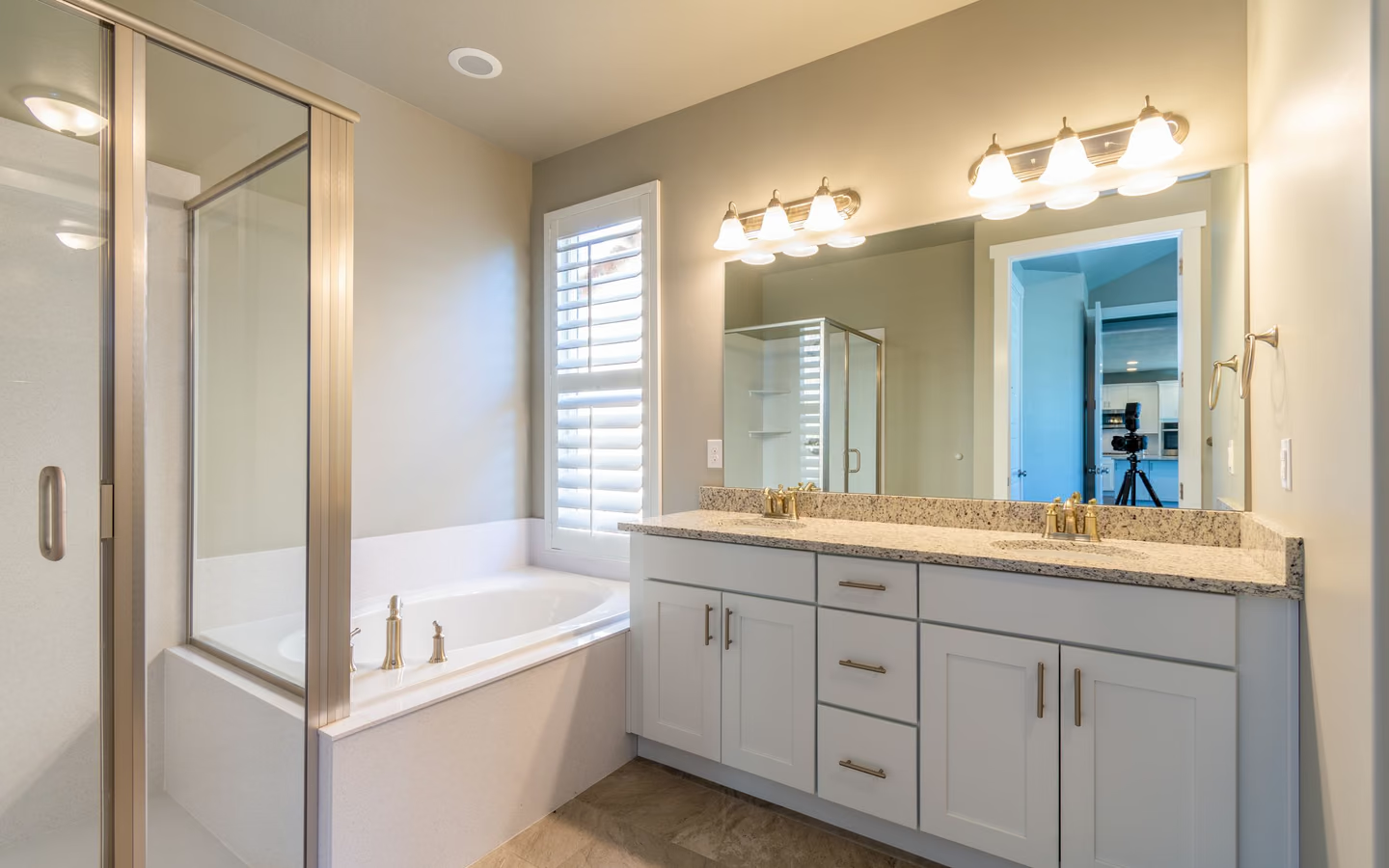
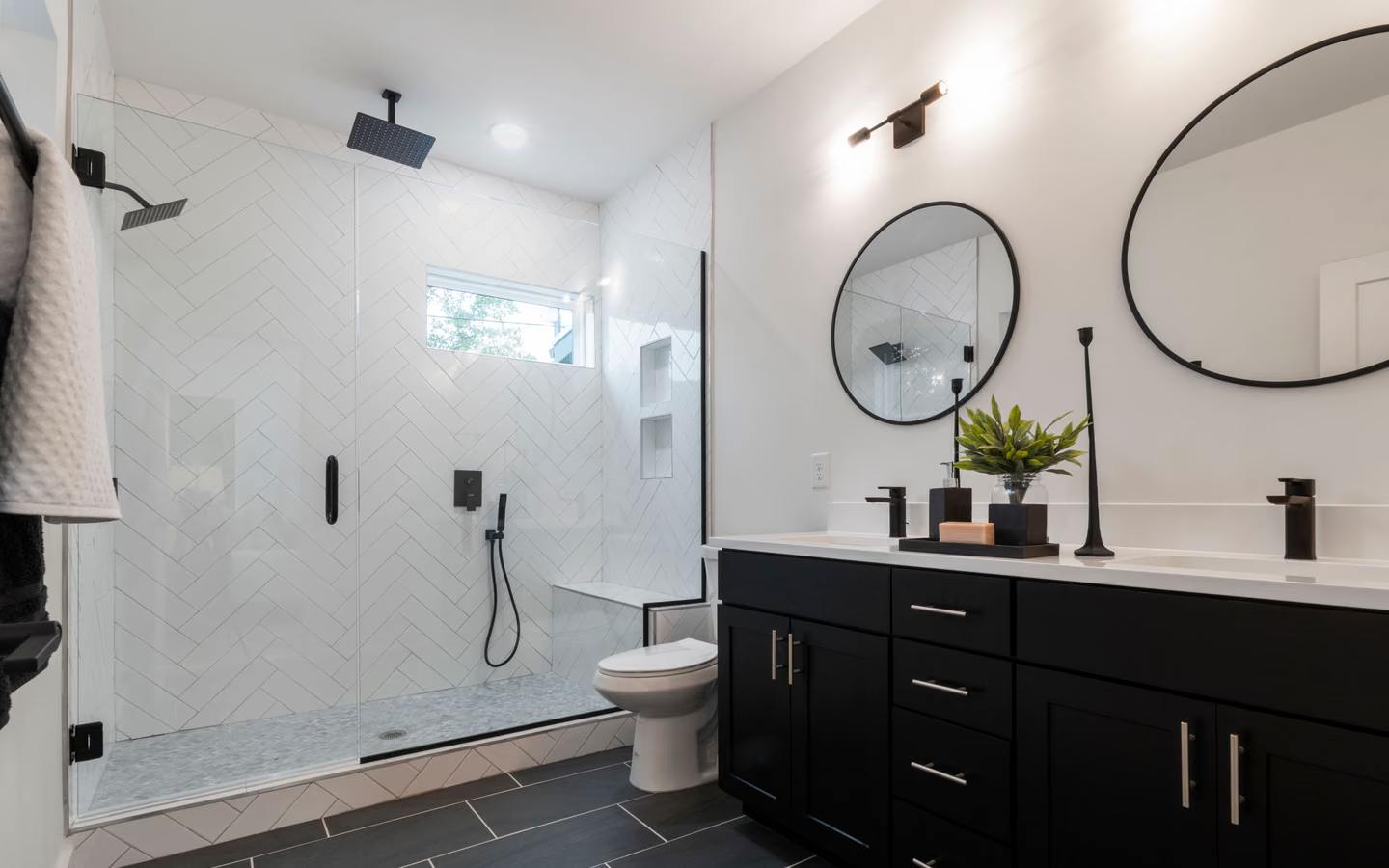
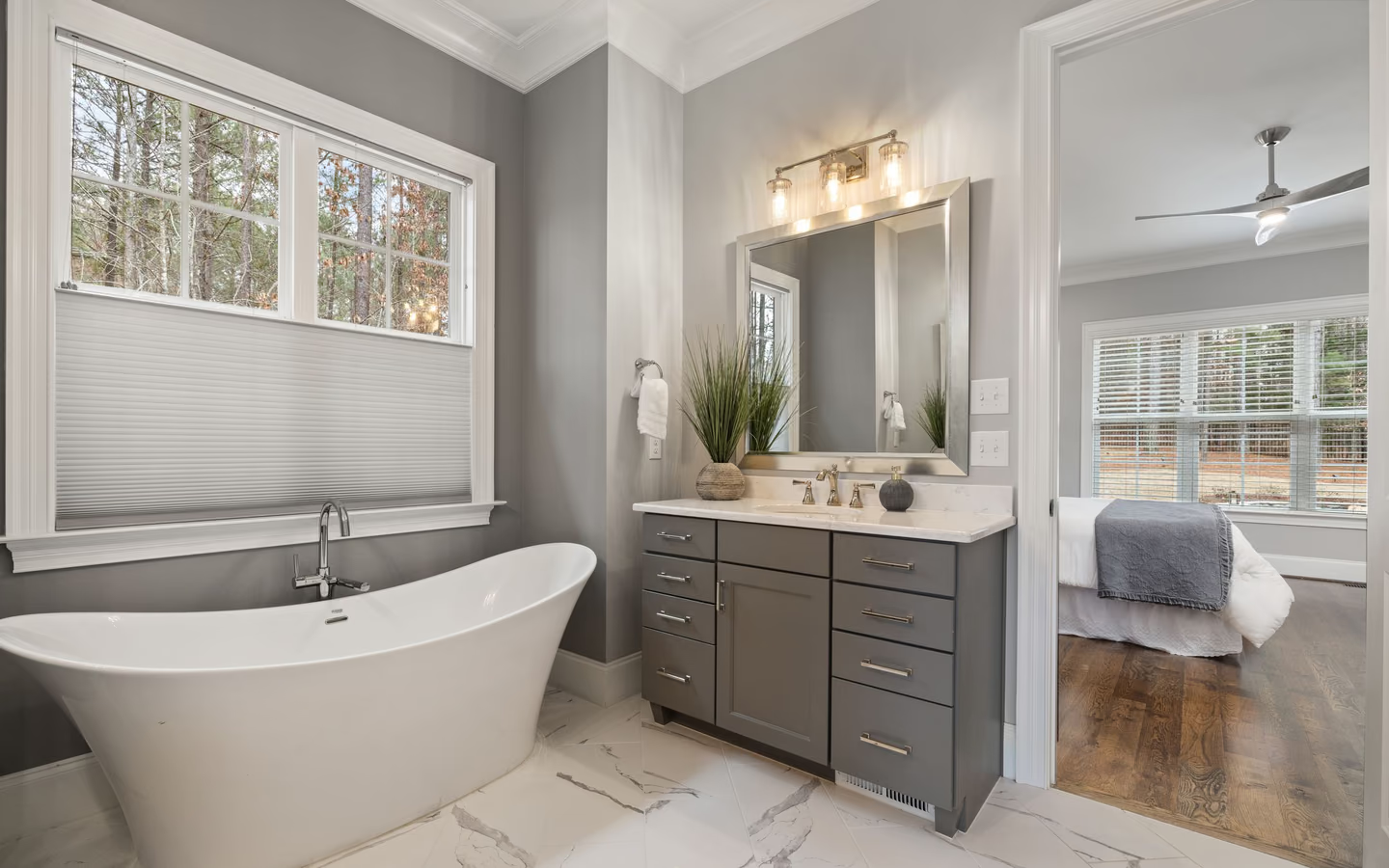
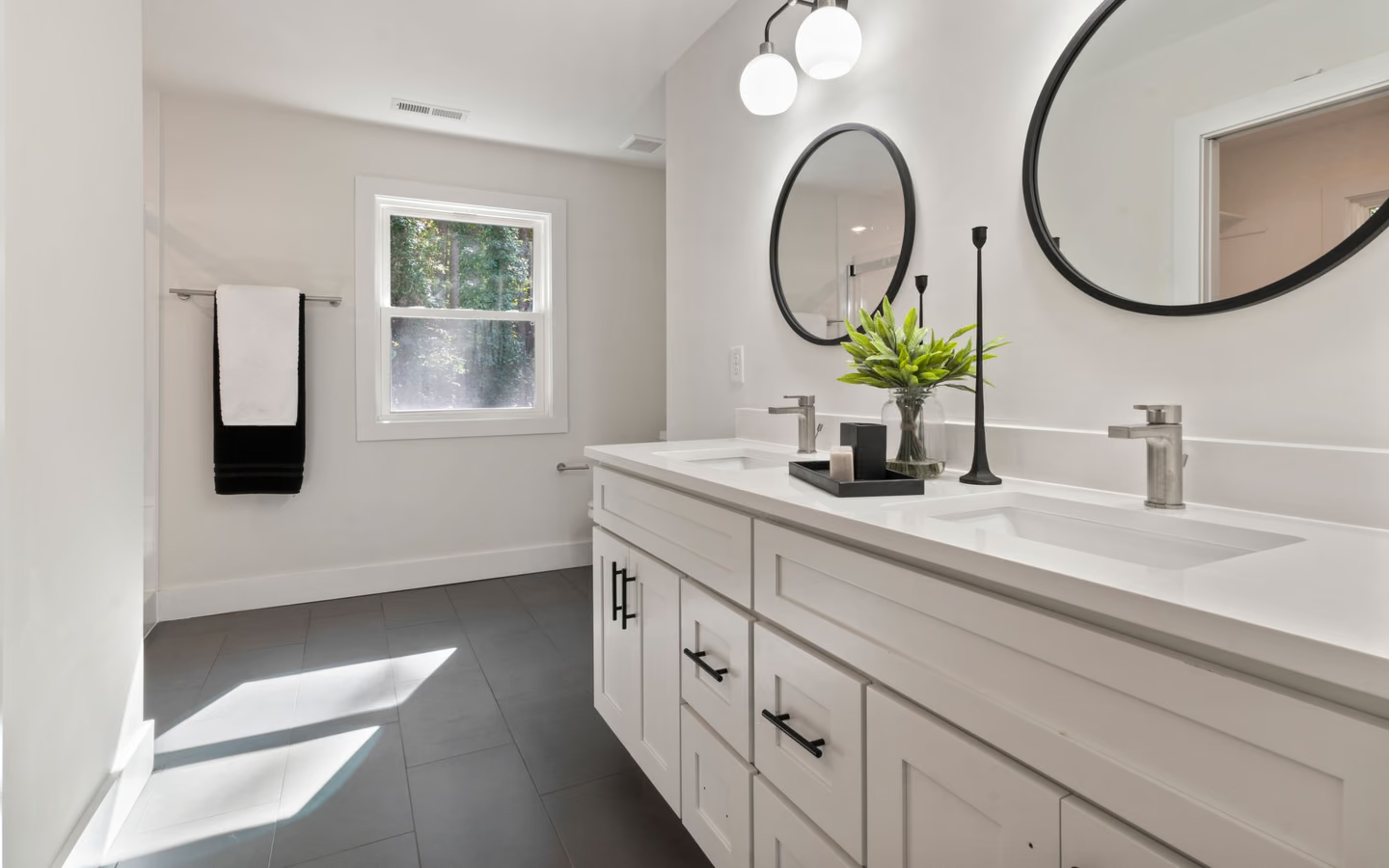
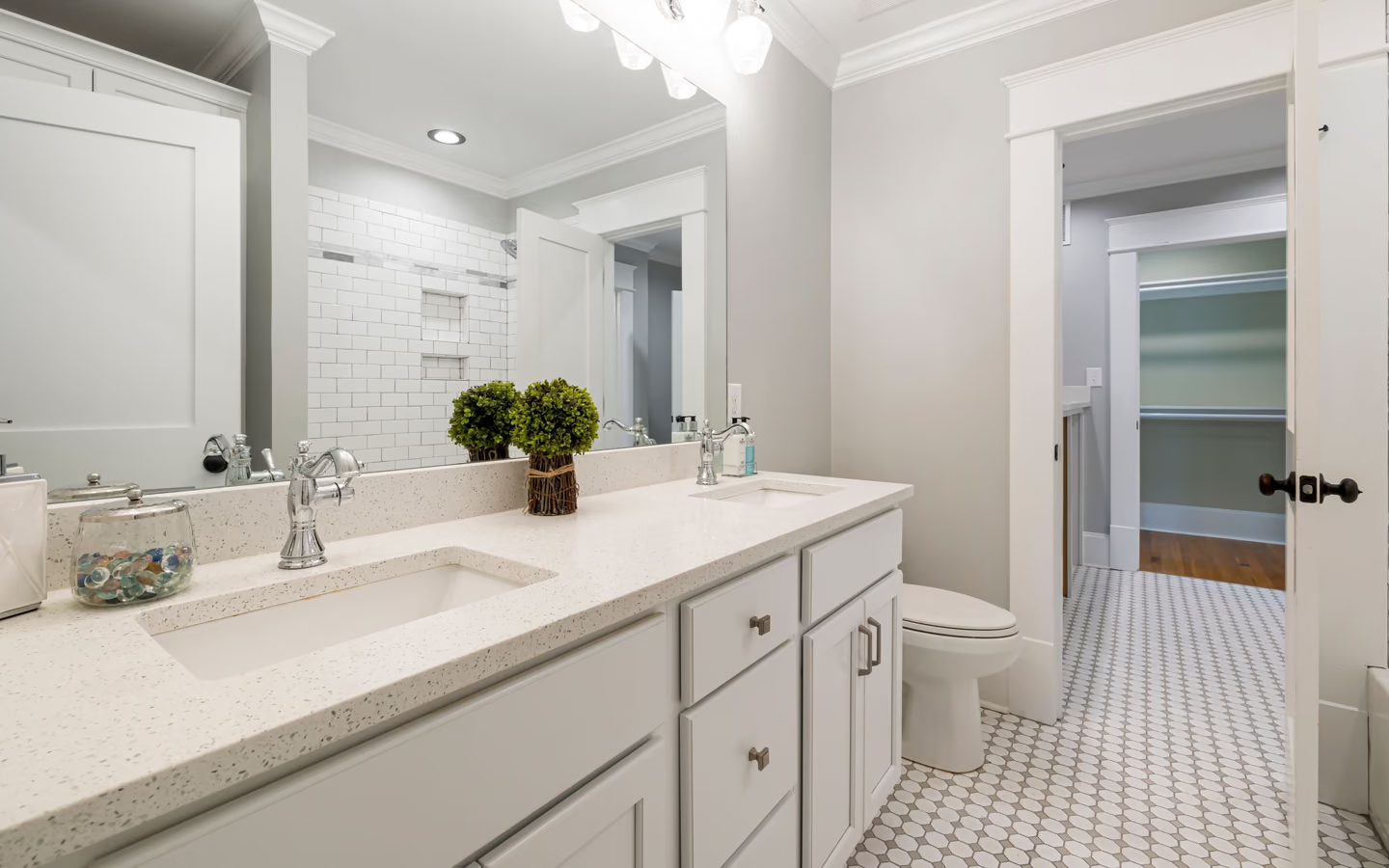
Bright renovated bathroom with a glass shower, freestanding tub, and double vanity
Bright renovated bathroom with a glass shower, freestanding tub, and double vanity.

Counter materials on the bathroom axes

Category behavior below; the specific line's care sheet is the final authority.

Vanity counter materials compared for bathroom service.
TopicDaily behaviorThe honest caveat
Engineered quartzNon-porous, seal-free, pigment-resistant.Heat-sensitive to flat styling tools; resin chemistry.
Granite and quartziteDurable and chemistry-tolerant with sealing cycles.Sealing is a subscription; slabs vary, view yours.
Marble familyUnmatched veining; ages into patina.Etches under acids and pigments; temperament match required.
Solid surfaceSeamless sinks, renewable finish, easy care.Softer surface; heat and sharp-object humility.
Value tierServiceable looks at friendly prices.Edges and seams are the vulnerability to inspect.

Counter decision list

Decide with these lines before the slab yard's lighting decides for you.

Chemistry

  • Care sheet read for the exact line

  • Sealing needs and cycles accepted or avoided

  • Heat-tool habits matched to the surface

Fabrication

  • Sink strategy chosen with the material

  • Edge profile and cutout polish specified

  • Seam locations drawn before fabrication

Ownership

  • Cleaning products confirmed compatible

  • Repair path understood: polish, sand, or fabricator

  • Overhang and splash reach checked at the layout

Bring these questions to the conversation

  • How does this exact line handle pigments, alcohol, and heat?

    The bathroom's three tests, answered from the care sheet rather than confidence. Lines within one brand differ; exactness matters.

  • Where will the seams land on my top?

    Seam placement is decided at templating and lived with forever. Ask for the drawing while placement is still a choice.

  • What does the sink joint look like in five years?

    Undermount reveals, integrated bowls, and drop-in rims age differently at the most-cleaned line in the room. The five-year answer is the honest one.

  • What is the repair story for this surface?

    Chips, scratches, and etches each have material-specific paths, from DIY polish to fabricator visits. Knowing them now prices the decade.

Common questions

Frequently asked questions

Is quartz always the right bathroom answer?

It is the low-maintenance default, not the universal one: marble's beauty, solid surface's seamlessness, and granite's slab drama all serve legitimate priorities. The right answer matches the household's care appetite and the room's chemistry, which quartz merely matches most often.

Do bathroom counters need the same thickness as kitchens?

Vanity tops carry lighter loads, and thinner profiles with edge buildups or supported spans are common and sound. The look and the sink format drive the choice more than structure does; your fabricator's span guidance covers the rest.

Sources and methodology

Research & methodology

Sources

References supporting the planning guidance on this page.

  1. Bathroom Planning GuidelinesNational Kitchen & Bath Association
    Trade sourceAccessed
  2. Trade sourceAccessed

Share your project. Call when ready.

Turn your research into a clear project request

Share your project, full service address, and contact details securely, then call when you are ready to discuss availability with an independent professional.