Materials and finishes guide

The vanity lives where water works

A bathroom vanity is kitchen cabinetry posted to a steam room: daily splash at the counter line, humidity swings, and plumbing running through its heart. This guide works the construction choices that decide its decade: box materials, door and front construction, finishes, hardware, drawer engineering, plumbing cutouts, floor contact, and the stock-to-custom spectrum.

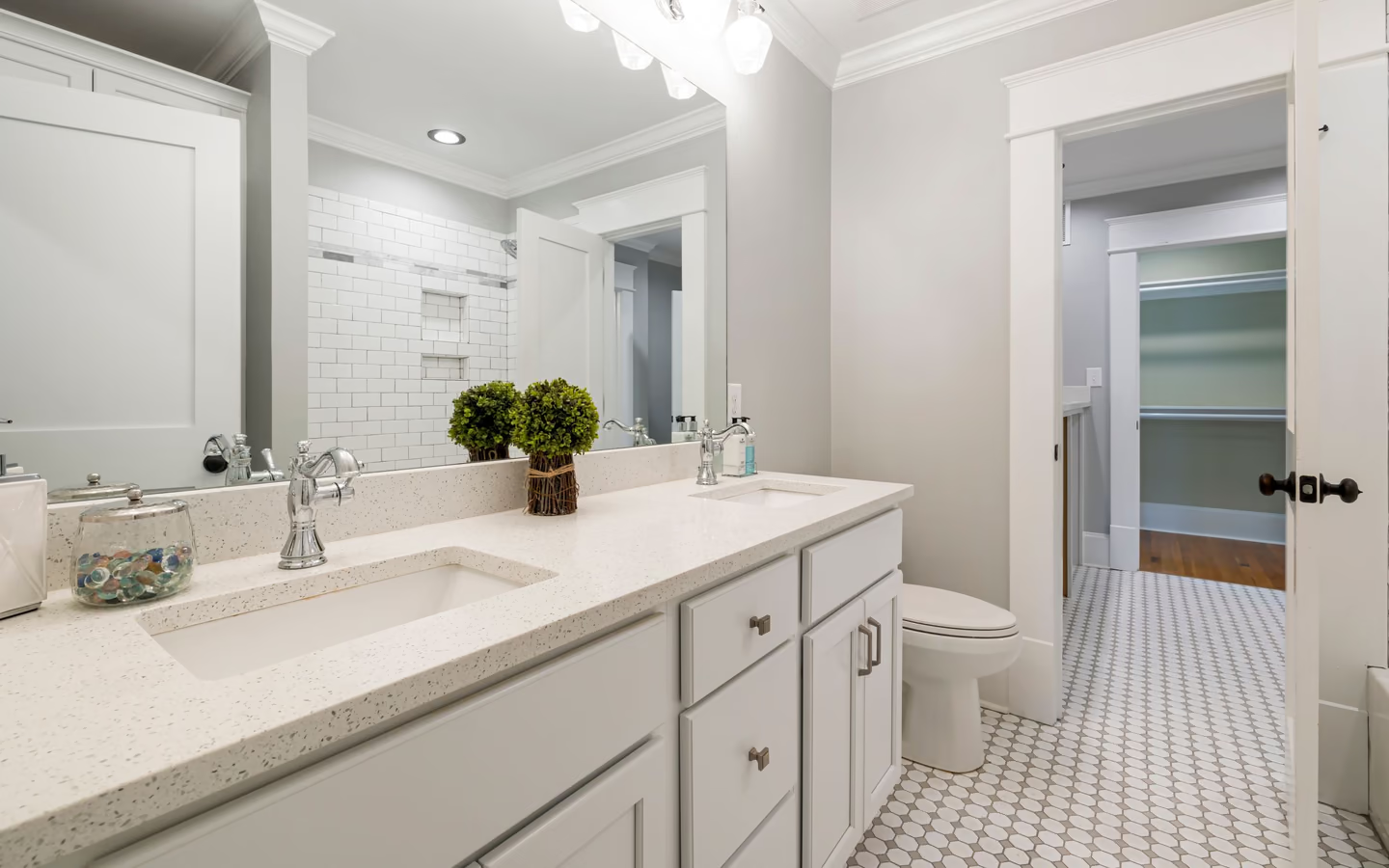
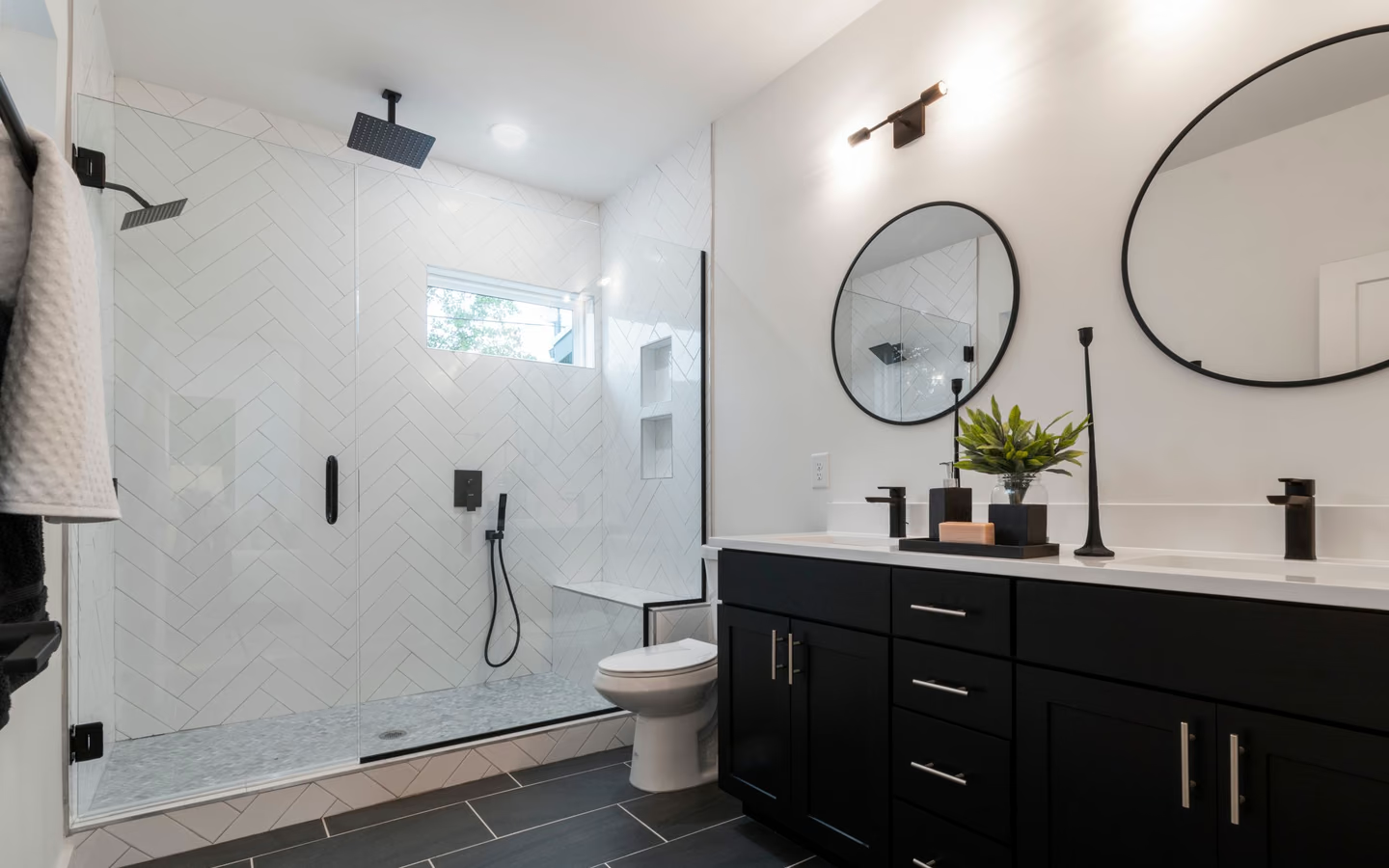
Bright modern bathroom with a long floating vanity, streamlined fixtures, and a crisp neutral palette
Bright modern bathroom with a long floating vanity, streamlined fixtures, and a crisp neutral palette.

How to judge vanity construction

Open every candidate: pull drawers to their stops, look at box joints and edge sealing, check how the back panel meets the sides, and find the sink cutout's raw edges. Moisture finds unsealed edges and raw cores first, so the honest quality read happens inside the cabinet, at exactly the surfaces the showroom lighting ignores.

Then match construction tier to the room's reality: a powder room's vanity lives gently, a family bath's vanity gets splashed hourly and slammed daily. Spend on the box, drawer hardware, and finish sealing for hard-service rooms; spend on looks for gentle ones. The label matters less than the edges, cores, and slides the label is wrapped around.

The construction choices that decide the decade

Box and core materials set moisture behavior: plywood boxes tolerate humidity swings and hold fasteners well; quality engineered cores with fully sealed edges also serve, while raw or thinly sealed cores at cutouts and edges are where swelling starts. The sink cutout is the tell, a sealed, clean cutout marks a maker who understands the posting; a raw one forecasts the failure photo.

Fronts, finishes, and hardware carry the daily interaction: painted and film fronts want quality substrates to resist edge peel in humidity; catalyzed and factory finishes outlast site-brushed ones; and drawer slides plus hinges are the vanity's moving parts, where soft-close quality and load ratings are felt every single day. Drawers themselves reward dovetails or robust joinery, because the toothpaste drawer cycles thousands of times.

The room's plumbing and floor finish the audit: cutouts for supplies and drain should be tight and sealed, not torn; floor contact matters in wet rooms, legs and toe-kicks handle puddles differently, and wall-hung boxes exit the puddle conversation entirely at the price of carrier framing. Stock, semi-custom, and custom span the same construction questions at rising freedom: sizes and finishes first, then dimensions and interiors, then geometry itself.

Vanity elements and what quality looks like

Inspect each element on real candidates; the rows say what good construction shows.

Vanity construction elements with quality markers.
TopicQuality looks likeFailure starts as
Box and edgesSealed edges everywhere, solid joints, tidy backs.Raw cores at cutouts drinking their first splash.
Sink cutoutClean, sealed, sized to the basin's spec.Torn edges swelling into a wavy counter line.
Drawer engineeringRated soft-close slides, real joinery, sealed interiors.Sagging fronts and slides that grit by year three.
Finish systemFactory-cured surfaces with sealed door edges.Edge peel blooming at the splash line.
Floor and wall interfaceManaged floor contact, or wall-hung with carriers.Wicking at the toe-kick after the first overflow.

Vanity selection list

Twenty minutes with these lines beats a decade with the wrong box.

Inspect

  • Interior edges, backs, and cutouts examined

  • Drawers cycled to stops and wiggled honestly

  • Finish edges checked at doors and fronts

Fit

  • Dimensions verified against layout clearances

  • Plumbing positions mapped to interior layout

  • Counter overhang and splash reach considered

Decide

  • Construction tier matched to the room's service

  • Hardware ratings confirmed for daily loads

  • Stock, semi-custom, or custom chosen by need, not habit

Bring these questions to the conversation

  • How are the box edges and sink cutout sealed?

    The moisture question, asked at the exact surfaces that fail first. A maker with a real answer has thought about bathrooms specifically.

  • What are these slides and hinges rated for?

    Moving parts are the felt quality. Ratings and brand answers beat adjectives; the toothpaste drawer will run the experiment either way.

  • How does this box meet my floor and my plumbing?

    Toe-kick behavior in puddles and cutout quality around supplies decide the box's wet-day story. Both are visible before purchase.

  • Where does semi-custom beat stock for my wall?

    Odd walls and specific storage needs are semi-custom's home ground. The answer should weigh your dimensions, not defend a catalog.

Common questions

Frequently asked questions

Are expensive vanities actually better built?

Price correlates loosely: some premium lines are furniture-grade, and some charge for doors while economizing inside. The inspection beats the price tag, edges, cutouts, slides, and finish quality read the same in every showroom.

Is wall-hung worth the extra installation work?

It buys visible floor, easy cleaning beneath, and exit from the puddle conversation, at the cost of carrier framing and height commitment. In small rooms and wet-prone households the trade often wins; on tight budgets a well-sealed floor-standing box serves honorably.

Sources and methodology

Research & methodology

Sources

References supporting the planning guidance on this page.

  1. Bathroom Planning GuidelinesNational Kitchen & Bath Association
    Trade sourceAccessed

Share your project. Call when ready.

Turn your research into a clear project request

Share your project, full service address, and contact details securely, then call when you are ready to discuss availability with an independent professional.