Materials and finishes guide

Storage materials matched to their weather

Bathroom storage lives in microclimates: the cabinet over the shower sees steam daily, the vanity drawer sees splash hourly, and the linen tower across the room lives almost dry. This guide matches cabinet, shelf, and drawer materials, finishes, edges, hardware, and backing to their actual location, so each piece tolerates the weather it gets.

How to spec storage by location

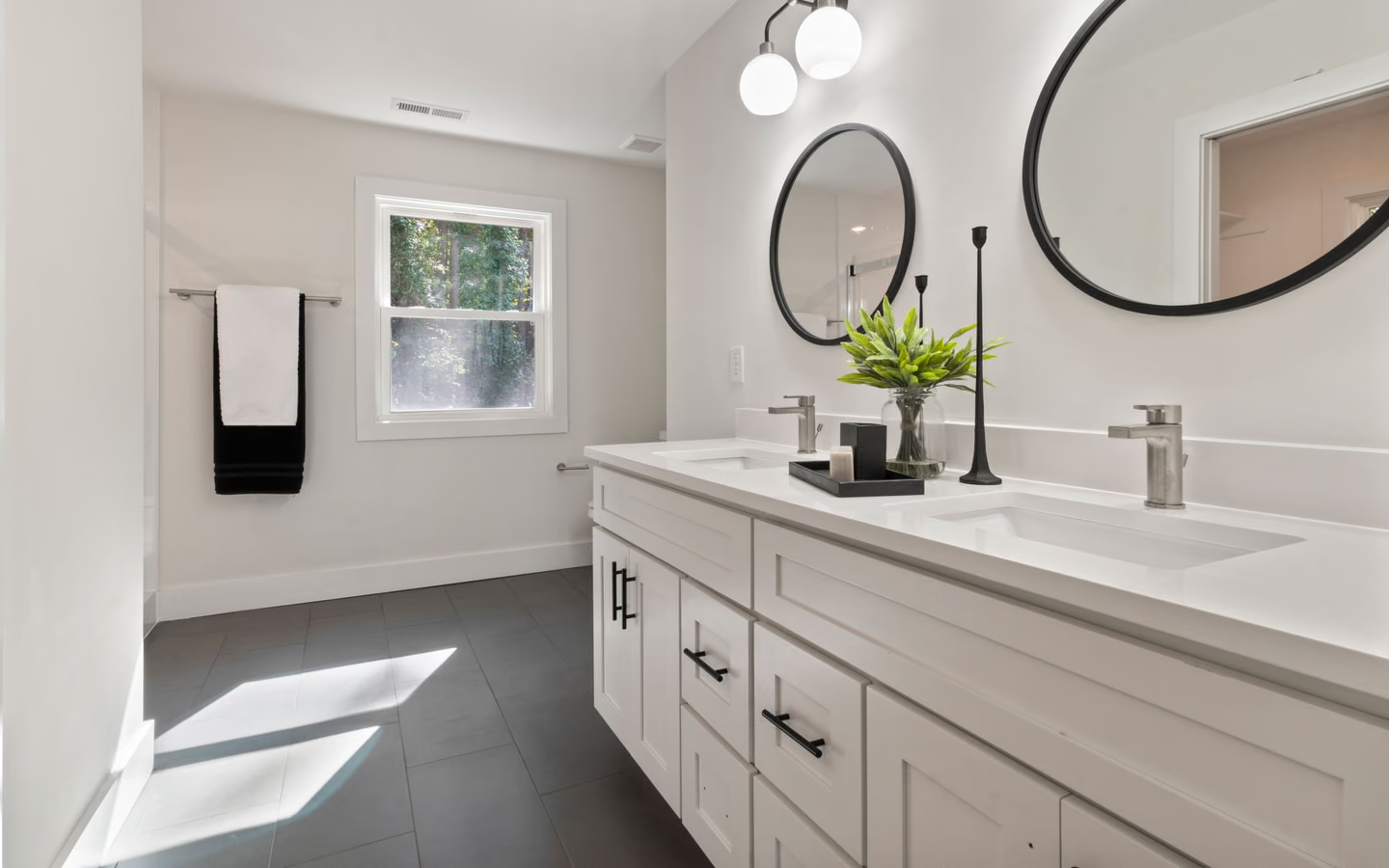
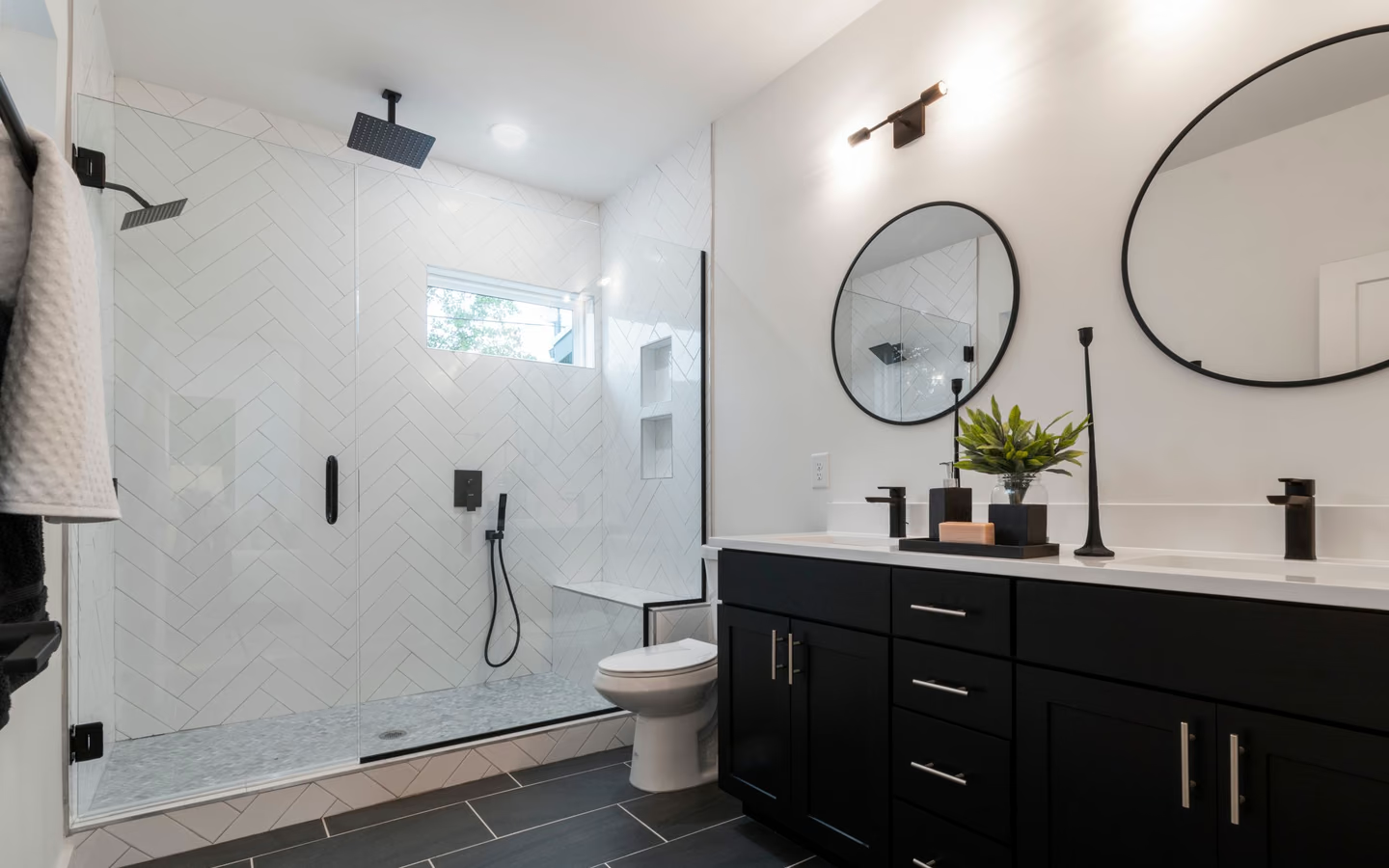
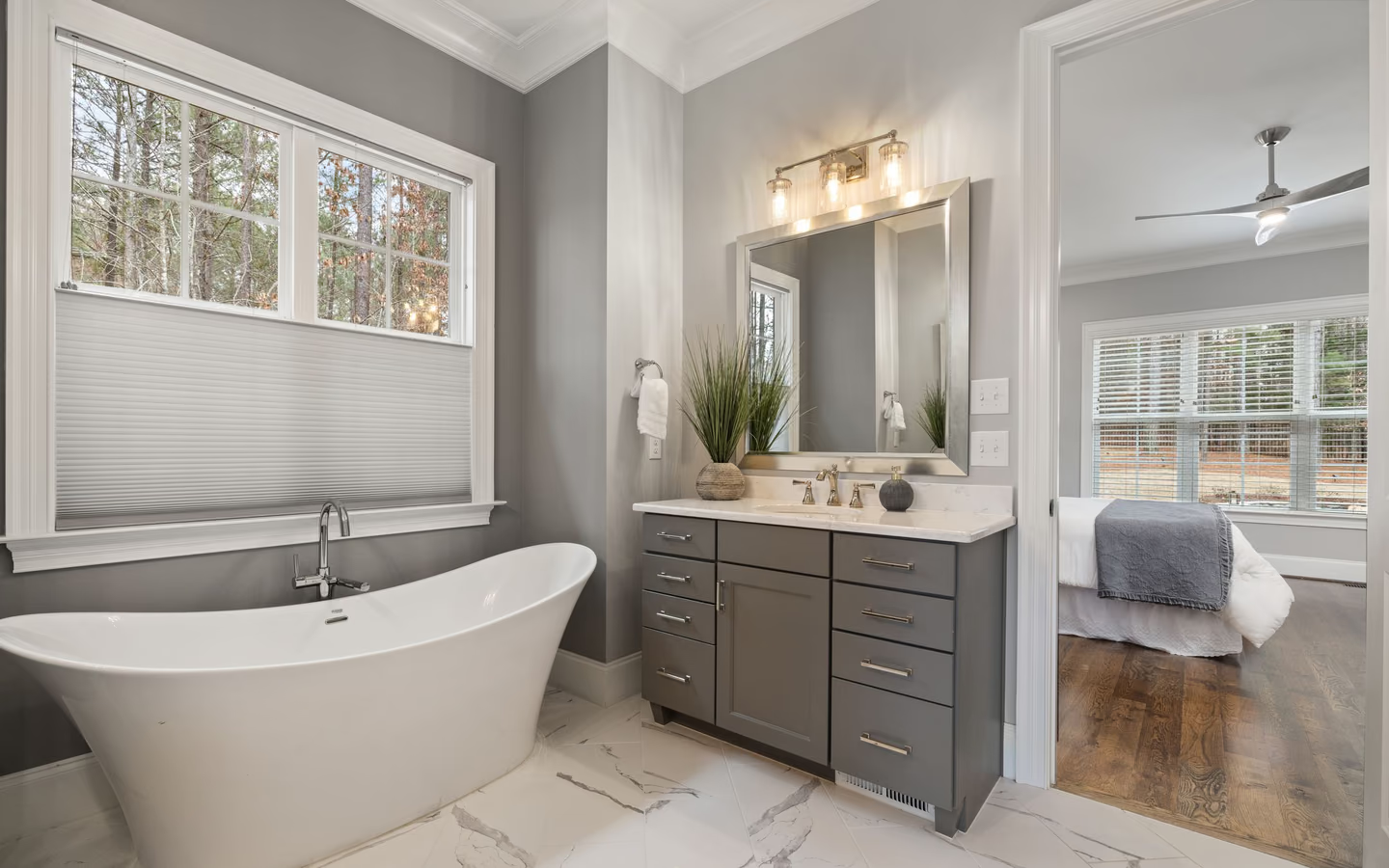
Map the room's weather first: the splash zone within arm's reach of sinks and tubs, the steam zone high near the shower where humidity condenses, and the dry zone beyond both. Each location's materials, cores, edges, and finishes should match its exposure; uniform specification wastes money in the dry zone and invites swelling in the wet ones.

Then inspect the parts that fail first: edges and cutouts, where raw cores drink moisture; finishes at their terminations; and hardware in humid postings, where cheap plating pits and springs tire. A cabinet is a box of edges wearing doors, and the edge treatment, sealed, banded, or raw, is the most honest quality signal it offers.

Materials and details by exposure

Cores and boxes sort by posting: plywood and marine-leaning assemblies tolerate the steam and splash zones; quality engineered cores serve everywhere their edges are genuinely sealed; raw-edged economy boards belong only in dry-zone interiors, if anywhere. Open shelving near steam wants solid or sealed materials and finishes that wipe, because condensation is a daily event, not an accident.

Finishes and edges carry the exposure: factory-cured finishes outlast site-applied ones in humidity; film and painted fronts want sealed substrates to resist edge peel; and edge banding quality, continuous, adhered, and trimmed clean, separates furniture from future swelling. Glass shelves, metal baskets, and solid woods each bring honest profiles: wipeable, drainable, and movement-prone respectively.

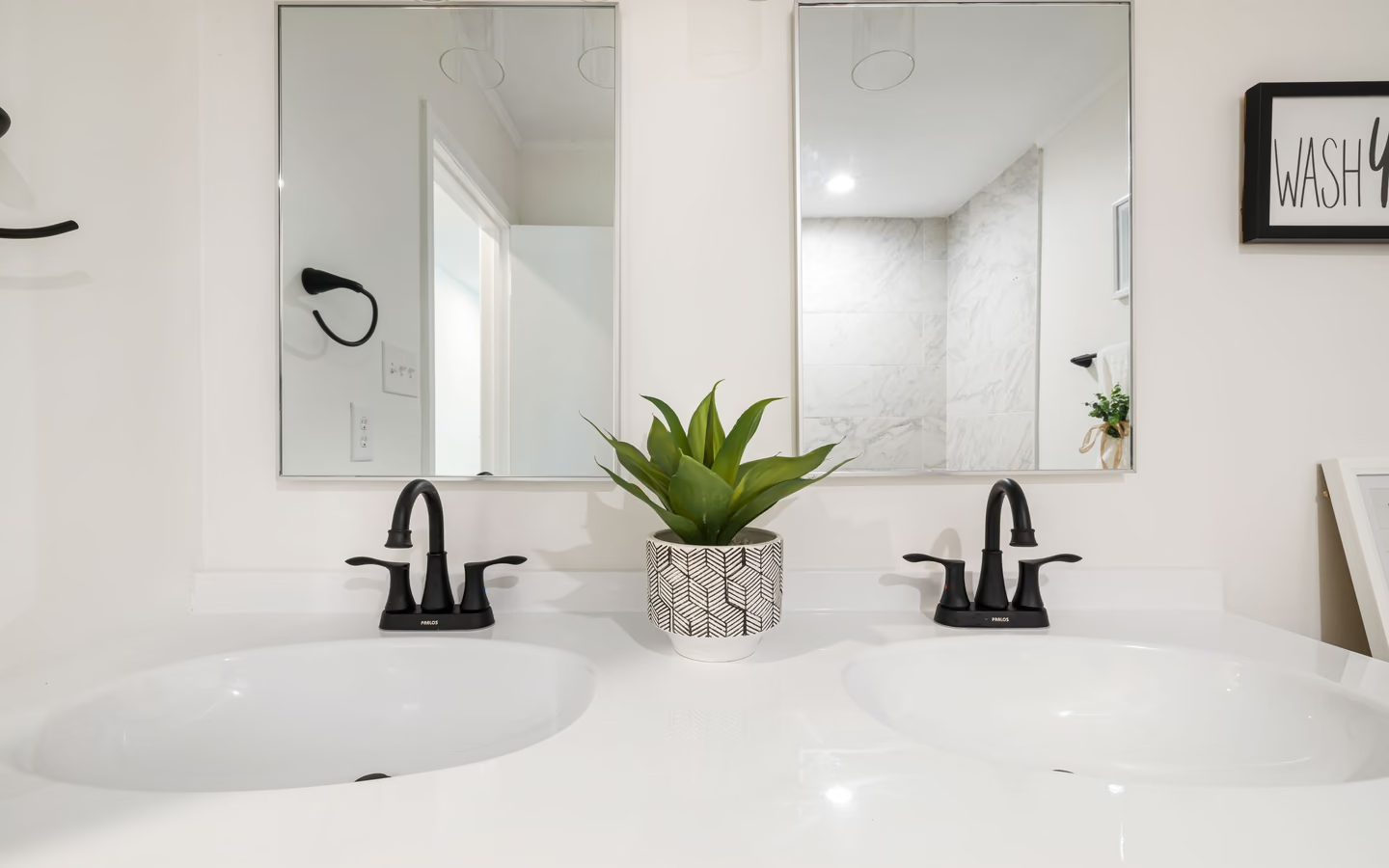
Hardware and backing finish the spec: slides, hinges, and pulls in humid rooms deserve corrosion-conscious finishes and ratings, since pitted plating and gritty slides are the bathroom's first hardware complaints; and anything mounted, towers, floating shelves, mirrored cabinets, hangs on backing that must exist in the wall, planned at framing or found with fasteners rated for the load. The mounting conversation belongs before tile, always.
Storage postings and their material answers

Match each planned piece to its row; the spec follows the weather.

Bathroom storage locations with material guidance.
TopicThe weather thereWhat to specify
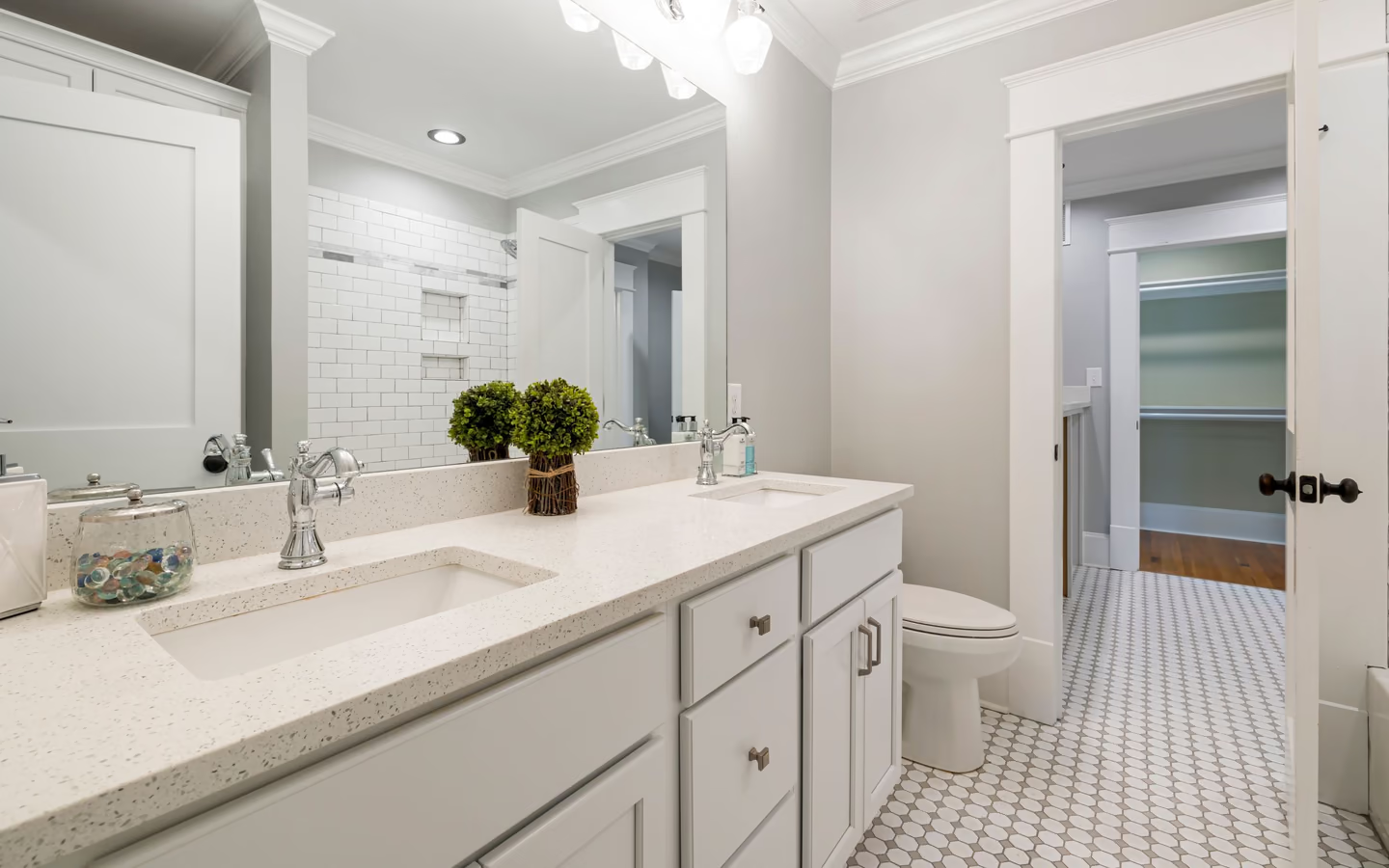
Vanity splash zoneDaily water, cosmetics, and slam cycles.Sealed cores, banded edges, rated slides, wipeable interiors.
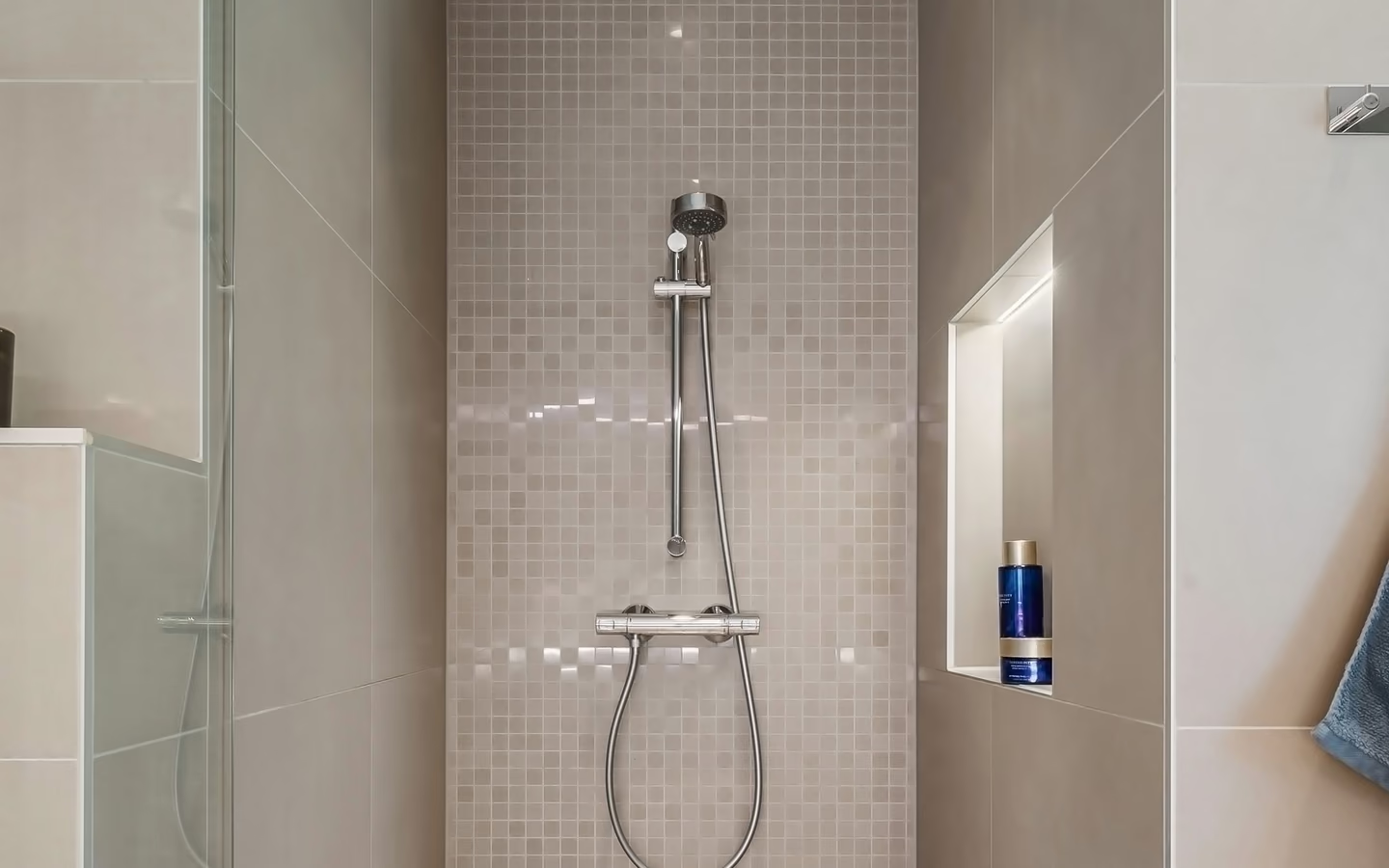
Steam zoneCondensation events every shower.Moisture-tolerant cores, cured finishes, corrosion-aware hardware.
Dry zoneOrdinary indoor life with humidity swings.Standard quality construction; budget relief lives here.
Open shelvingDust plus periodic condensation.Sealed or solid materials; finishes that wipe clean.
Wall-mounted piecesStatic load on wet-room walls.Backing planned at framing; rated anchors; sealed penetrations.

Storage materials checklist

Spec each piece against these lines before ordering.

Match

  • Every piece assigned its weather zone

  • Cores and edges chosen for the exposure

  • Finishes rated for humidity where it lives

Inspect

  • Edge banding continuous and clean on samples

  • Cutouts sealed wherever plumbing passes

  • Hardware finish and rating checked for wet rooms

Mount

  • Backing located or added before wall closure

  • Fasteners rated for the loaded weight

  • Penetrations through tile sealed at installation

Bring these questions to the conversation

  • Which of my planned pieces sits in the steam zone?

    The mapping question that reorganizes the spec. High cabinets near showers fail quietly; naming them changes what gets ordered.

  • How are the edges and cutouts treated on this line?

    The edge answer is the lifespan answer. Continuous banding and sealed cutouts mark construction that understands bathrooms.

  • What backing exists for the wall-mounted storage?

    Mounted pieces hang on preparation. Before tile, backing is a note; after tile, it is a hunt with a detector and a prayer.

  • Which hardware finishes hold up in humid rooms?

    Plating quality varies enormously behind similar looks. The corrosion answer, backed by ratings, predicts year five's drawer feel.

Common questions

Frequently asked questions

Is solid wood better than engineered materials in bathrooms?

Solid wood moves with humidity, which quality construction accommodates and cheap construction does not; sealed engineered cores are often more stable in steam-adjacent postings. The construction and sealing quality decide, not the material's prestige.

Can kitchen cabinets be used in a bathroom?

Construction-wise, quality kitchen boxes adapt well, and the differences are dimensional: vanity heights and depths differ from kitchen standards, and plumbing cutouts and moisture sealing still need bathroom attention. Judge the box by the same edges-and-cores inspection either way.

Sources and methodology

Research & methodology

Sources

References supporting the planning guidance on this page.

  1. Bathroom Planning GuidelinesNational Kitchen & Bath Association
    Trade sourceAccessed

Share your project. Call when ready.

Turn your research into a clear project request

Share your project, full service address, and contact details securely, then call when you are ready to discuss availability with an independent professional.