
Layout
What is the best layout for a small bathroom?
The one that clears its clearances with the fewest collisions: in compact rooms, layout quality is measured at the minimums, door swing against vanity, knees against side walls, shower entry against everything. Most small bathrooms optimize the same way: wet zone at the far end, vanity nearest the door, toilet tucked from the sightline, and every swing tested on paper first.
The direct answer
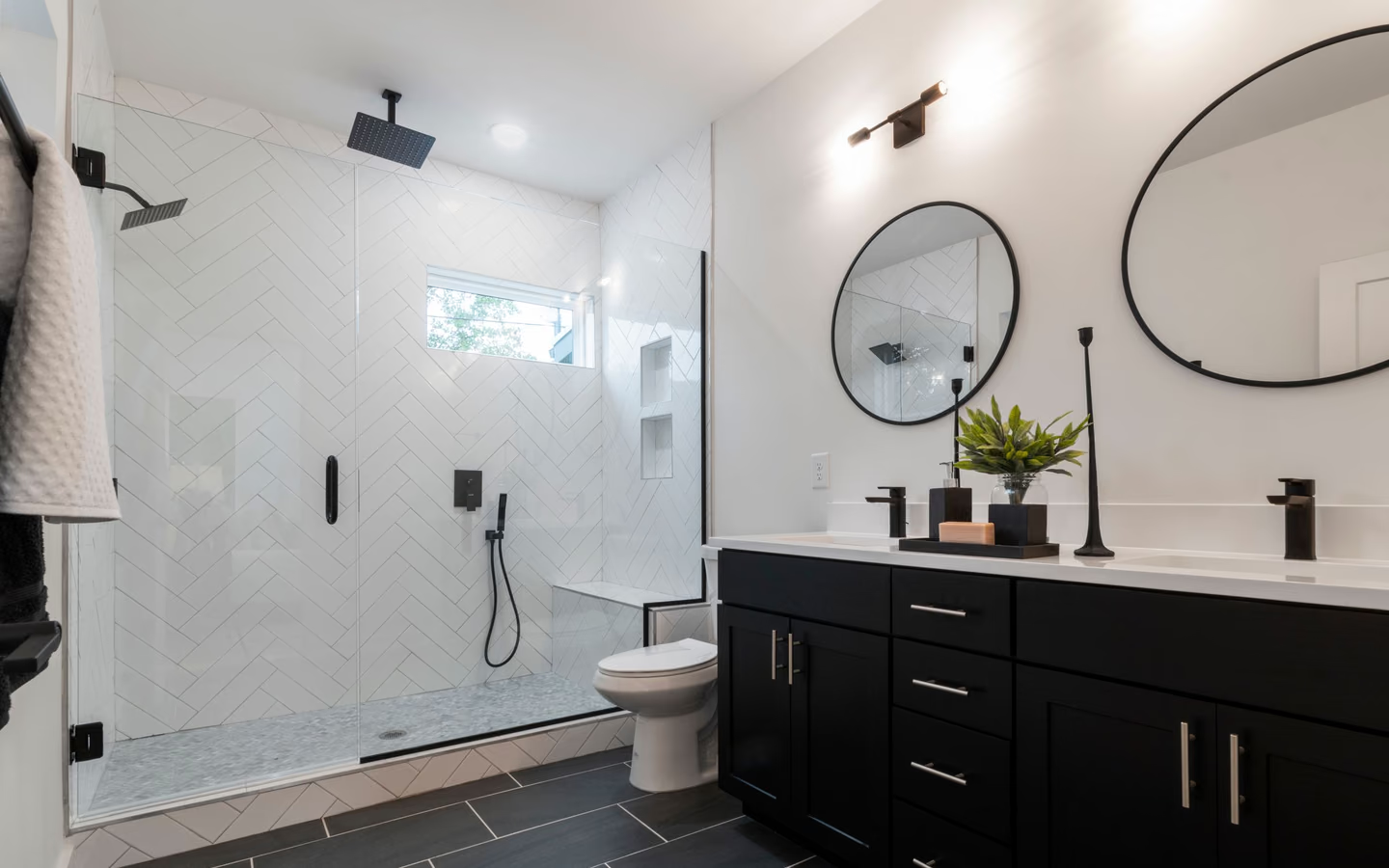
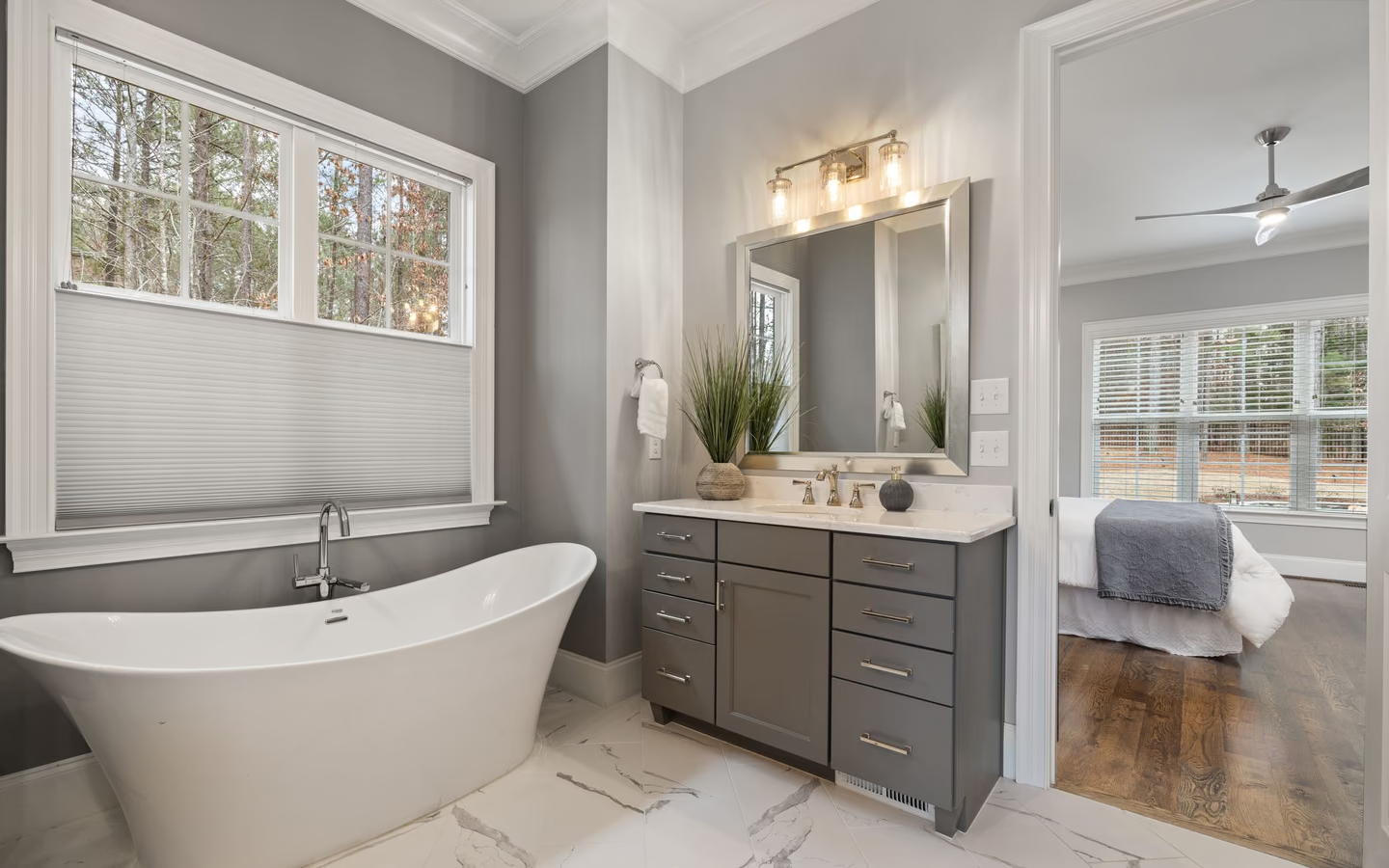
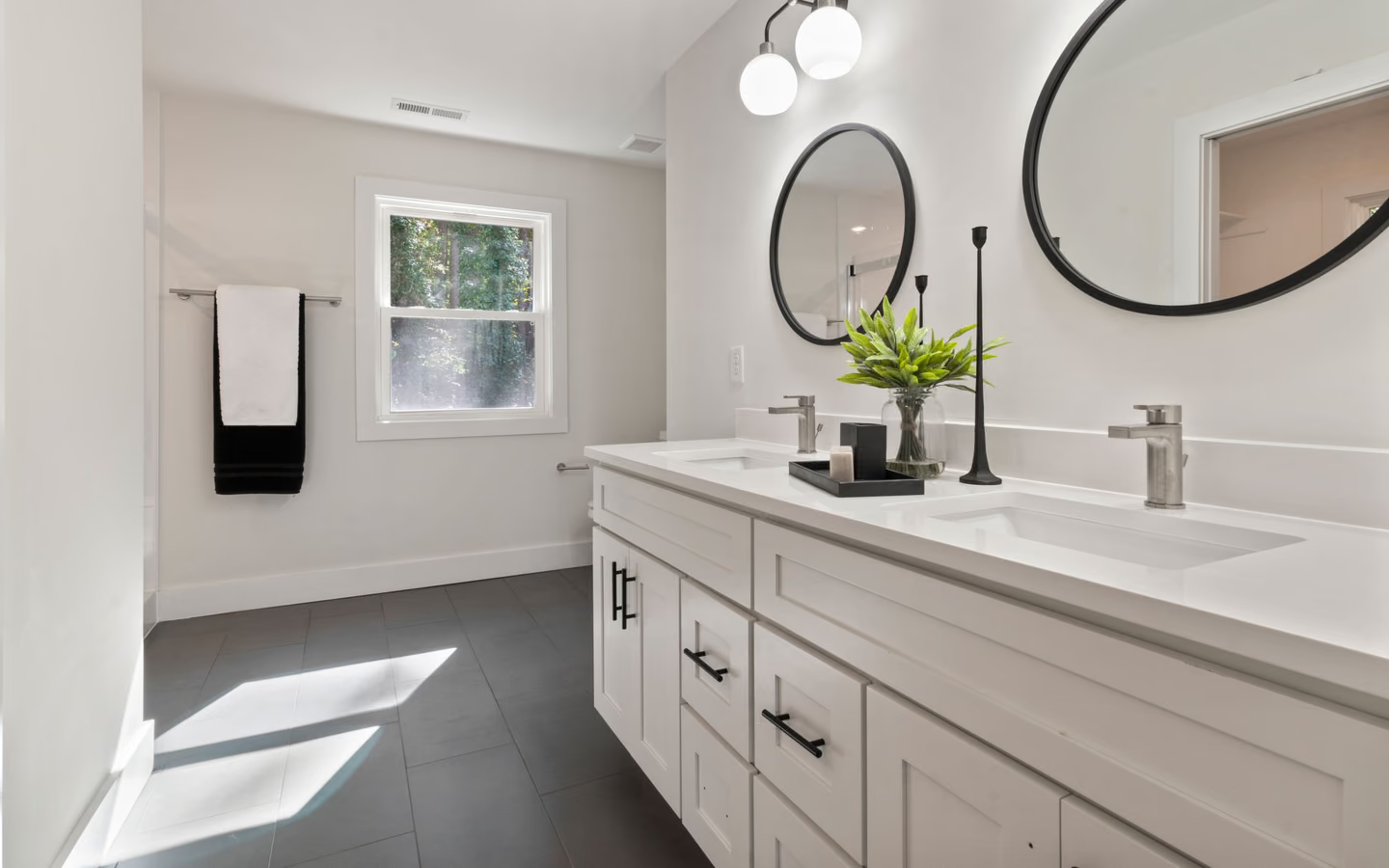
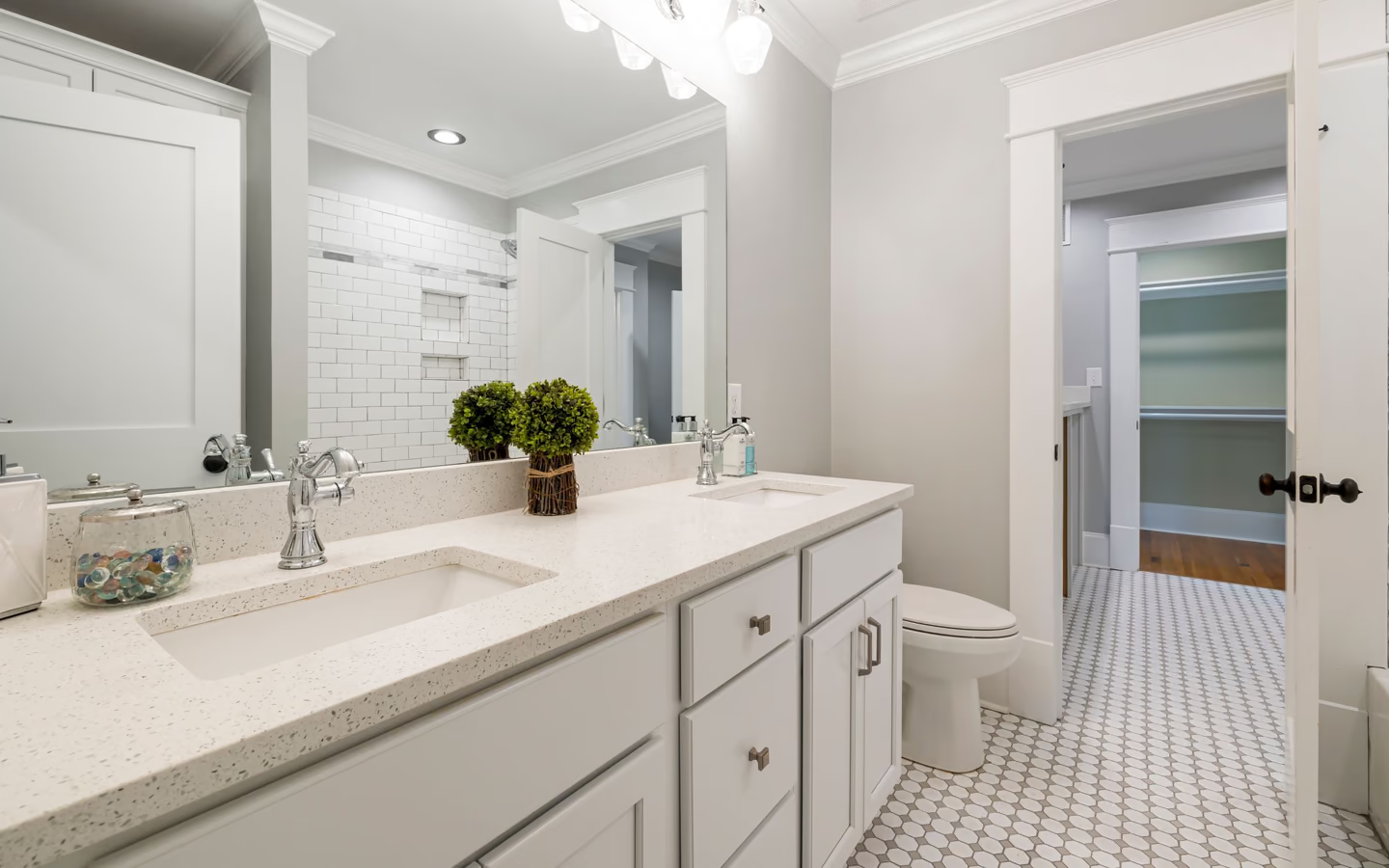
The workhorse compact arrangement runs plumbing along one wall or an L: shower or tub at the room's end where its bulk blocks nothing, vanity first inside the door where daily traffic is shortest, toilet between or opposite, placed out of the door's view. This wet-wall discipline shortens plumbing runs, concentrates clearances where guidelines demand them, and leaves the remaining wall for storage and towels. Recognized planning minimums at the toilet's sides, the vanity front, and the shower entry are the pass-fail tests every candidate drawing takes.
The upgrade moves are subtractive: a pocket or outswing door returns the room's largest moving object, a wall-hung vanity returns visible floor, and clear glass returns the light a curtain absorbed. Small-bathroom layouts win by removing conflicts, not by adding features.
What layout choices cost and save
Keeping fixtures on the existing wet wall preserves rough-ins and spends the budget on visible quality; every fixture that crosses the room buys drain and vent work daily life never sees. Compact rooms amplify this arithmetic, since a single move can rival the tile budget.
The high-return spends are the geometric ones: a pocket door's framing, a wall-hung vanity's carrier, and glass instead of curtain each cost modestly and return space every single day.
Compact arrangements by room shape
| Topic | The arrangement that usually wins | Its watch item |
|---|---|---|
| Long and narrow | Wet zone across the far end, vanity and toilet along one side wall. | The corridor effect; glass and light keep the walk from feeling like one. |
| Near-square | Corner shower diagonal from the door, vanity and toilet sharing the plumbing wall. | Corner entry width; the diagonal must still clear the swing. |
| Door mid-wall | Vanity beside the door, toilet behind it out of sightline, bathing opposite. | Switch reach and the door's arc across the vanity's user. |
Questions for layout conversations
- Which clearance is tightest on this plan?
A designer who names the critical inch has actually run the numbers; everything else follows that honesty.
- What would you remove from this room?
Compact expertise shows as subtraction; the answer reveals whether space or catalog drives the plan.
- Could the door change instead of the fixtures?
Pocket and outswing conversions often rescue layouts cheaper than any fixture move; the option belongs on the table.
Common questions
Frequently asked questions
Should the toilet ever face the door?
It is the arrangement to exhaust alternatives against: orientation, a partial screen, or a swing change usually rescues the sightline. When geometry truly forces it, a well-planned view line and door habits soften what the plan could not.
Is a corner sink or shower a good compact trick?
Corners earn their fit when clearances genuinely pass and hardware suits the angle; they cost in cleaning geometry and product selection. Use them as solutions to measured conflicts, not as default cleverness.
Sources and methodology
Research & methodology
Sources
References supporting the planning guidance on this page.
- Your Better BathroomU.S. Environmental Protection Agency WaterSense
- Ventilation FansENERGY STAR
- Guide to the ADA Accessibility Standards: Bathing RoomsU.S. Access Board
- Bathroom Planning GuidelinesNational Kitchen & Bath Association
Share your project. Call when ready.
Turn your research into a clear project request
Share your project, full service address, and contact details securely, then call when you are ready to discuss availability with an independent professional.