Materials and finishes guide

Stone asks for a relationship, not a purchase

Natural stone brings the one thing manufacturing cannot: geology, with variation, veining, and depth no printer matches. It also brings absorption, chemistry, and care requirements that porcelain retired. This guide covers choosing stone type and finish, accepting variation, managing wet exposure, sealing, traction, setting, cleaning, and the sample sign-off that prevents heartbreak.

How to choose stone eyes-open

Choose the stone by its chemistry as much as its face: dense granites and quartzites shrug at bathroom life; marbles and limestones are calcium-based and react with acids, meaning etching from common products and habits; slates vary by source. The stone's absorption and acid sensitivity, not its beauty, decide which rooms and surfaces it should serve, and every supplier can state both.

Then govern variation with a sample process: stone varies lot to lot and slab to slab, so approve the actual material, view large samples or your actual slabs, in your room's light, and record the sign-off. The variation is the product; the process ensures the variation you get is the variation you chose.

Living with stone, surface by surface

Wet exposure sorts the candidates: shower floors are stone's hardest posting, constant water, cleaning chemistry, and traction needs, and favor dense, honed, textured stones with disciplined sealing; shower walls are gentler; vanity tops meet cosmetics and toothpaste, where calcium stones etch into matte ghosts around the faucet. Dense stones in wet zones, sensitive stones in gentler postings, is the durable pattern.

Finish changes both look and behavior: polished surfaces saturate color and show etching fastest; honed finishes read matte, hide wear, and mute veining slightly; textured and brushed finishes add grip underfoot at a cleaning cost. Traction deserves explicit thought on floors, polished stone and water are a famous combination for the wrong reasons.

The care contract is real but manageable: penetrating sealers on a renewal cycle the specific stone dictates, neutral cleaners rather than whatever the supermarket aisle suggests, and prompt attention to standing products. Setting matters too, stone wants full support, quality substrates, and sometimes white setting materials to prevent bleed-through, and repair means matching geology, which is why attic stock and the fabricator's contact belong in the file.
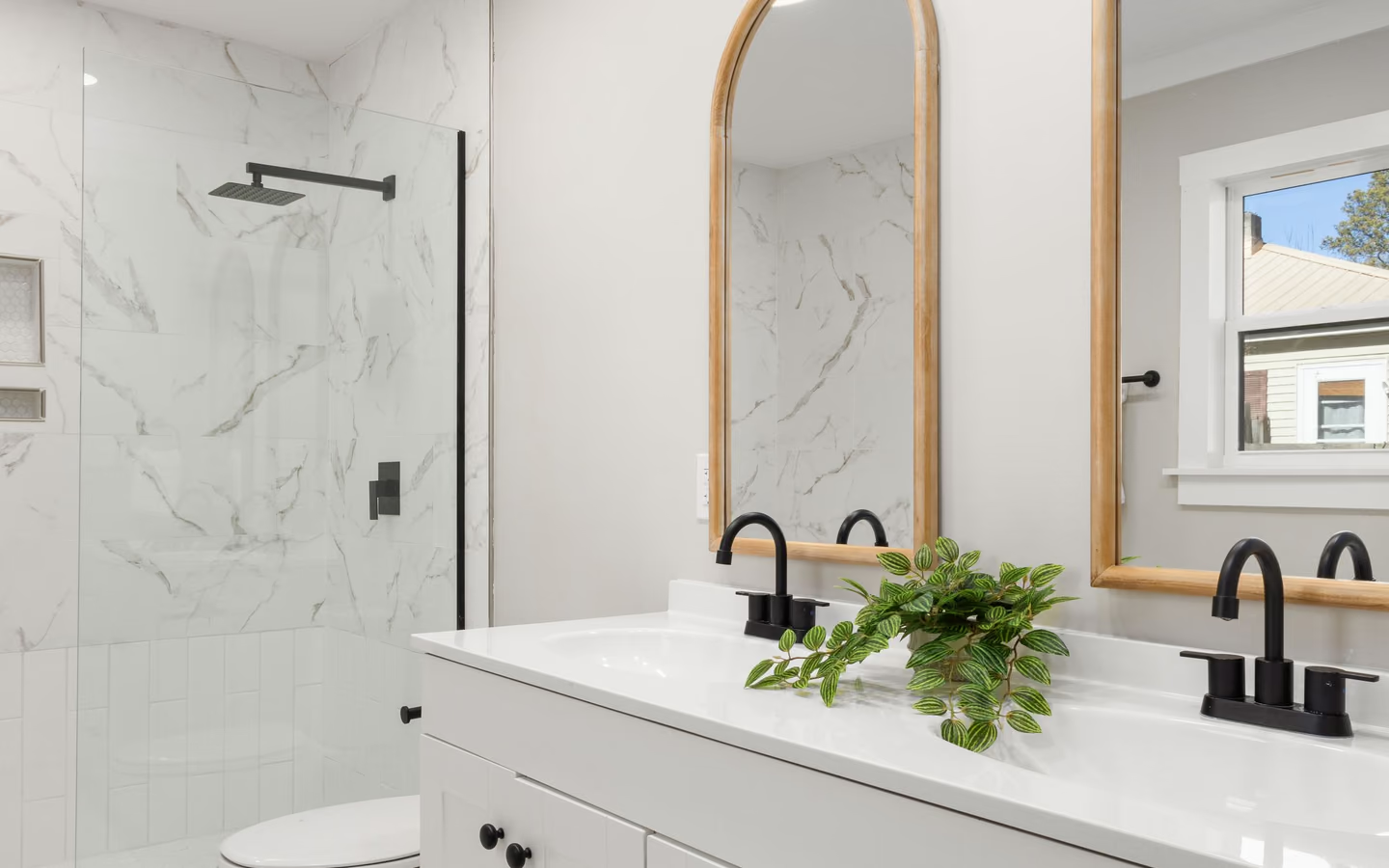

Bright modern bathroom with a long floating vanity, streamlined fixtures, and a crisp neutral palette
Bright modern bathroom with a long floating vanity, streamlined fixtures, and a crisp neutral palette.

Stone families and their bathroom postings

Tendencies by family; the specific stone's data sheet and supplier guidance rule.

Natural stone families with bathroom suitability notes.
TopicCharacterBest postings
GraniteDense, chemistry-tolerant, broad palette.Vanity tops, floors, nearly anywhere.
QuartziteDense and hard with marble-like drama.Tops and walls wanting veining plus durability.
MarbleClassic veining; acid-sensitive, etches.Walls and gentler surfaces for owners who accept patina.
Limestone and travertineSoft, warm, porous; wants diligent sealing.Dry and splash zones with committed care.
SlateTextured grip, source-dependent behavior.Floors where traction leads, from proven sources.

Stone decision and care list

Stone rewards owners who read this list before falling in love.

Selection

  • Absorption and acid sensitivity stated by the supplier

  • Finish chosen with traction and etching in view

  • Large samples viewed in the room's own light

Documentation

  • Sample or slab sign-off recorded

  • Sealing product and renewal cycle written down

  • Attic stock and fabricator contact filed

Ownership

  • Neutral cleaners stocked; acid products exiled

  • Renewal reminders on the calendar

  • Etching and patina expectations agreed in the household

Bring these questions to the conversation

  • What is this stone's absorption and acid behavior?

    The two numbers that predict bathroom life. A supplier fluent in them is selling stone; one who is not is selling photographs.

  • What sealing cycle does this stone need in this posting?

    Sealing is stone's subscription. The product, the interval, and the water-drop test that checks it belong in your file.

  • How will you set this stone, and on what?

    Full support, appropriate substrates, and bleed-safe setting materials are the fabrication half of stone quality. The method answer reveals the shop.

  • What will this look like after five years of real use?

    The patina question, asked honestly. The best answer includes photos of aged installations and a household-fit judgment, not just reassurance.

Common questions

Frequently asked questions

Is marble a mistake in bathrooms?

It is a temperament match: marble etches, patinas, and rewards owners who call that character. Households wanting eternal showroom polish will be happier with quartzite or porcelain look-alikes; households that love lived-in beauty have loved marble for centuries.

Do stone look-alike porcelains end the argument?

They answer the maintenance question brilliantly and the depth question partially: excellent prints serve wet zones and busy households well, while real stone keeps the translucence and uniqueness geology alone provides. Many strong rooms mix both by posting.

Sources and methodology

Research & methodology

Sources

References supporting the planning guidance on this page.

  1. Bathroom Planning GuidelinesNational Kitchen & Bath Association
    Trade sourceAccessed
  2. Trade sourceAccessed

Share your project. Call when ready.

Turn your research into a clear project request

Share your project, full service address, and contact details securely, then call when you are ready to discuss availability with an independent professional.