Planning and budgeting checklist

Separate the financing from the sales pitch

Financing decided at a contract-signing table is financing decided under pressure. This neutral checklist walks the money questions on their own schedule: true total project cost, cash reserves, loan terms and timing, contingency funding, lien exposure, and the provider disclosures worth reading twice, with no product recommendations attached.

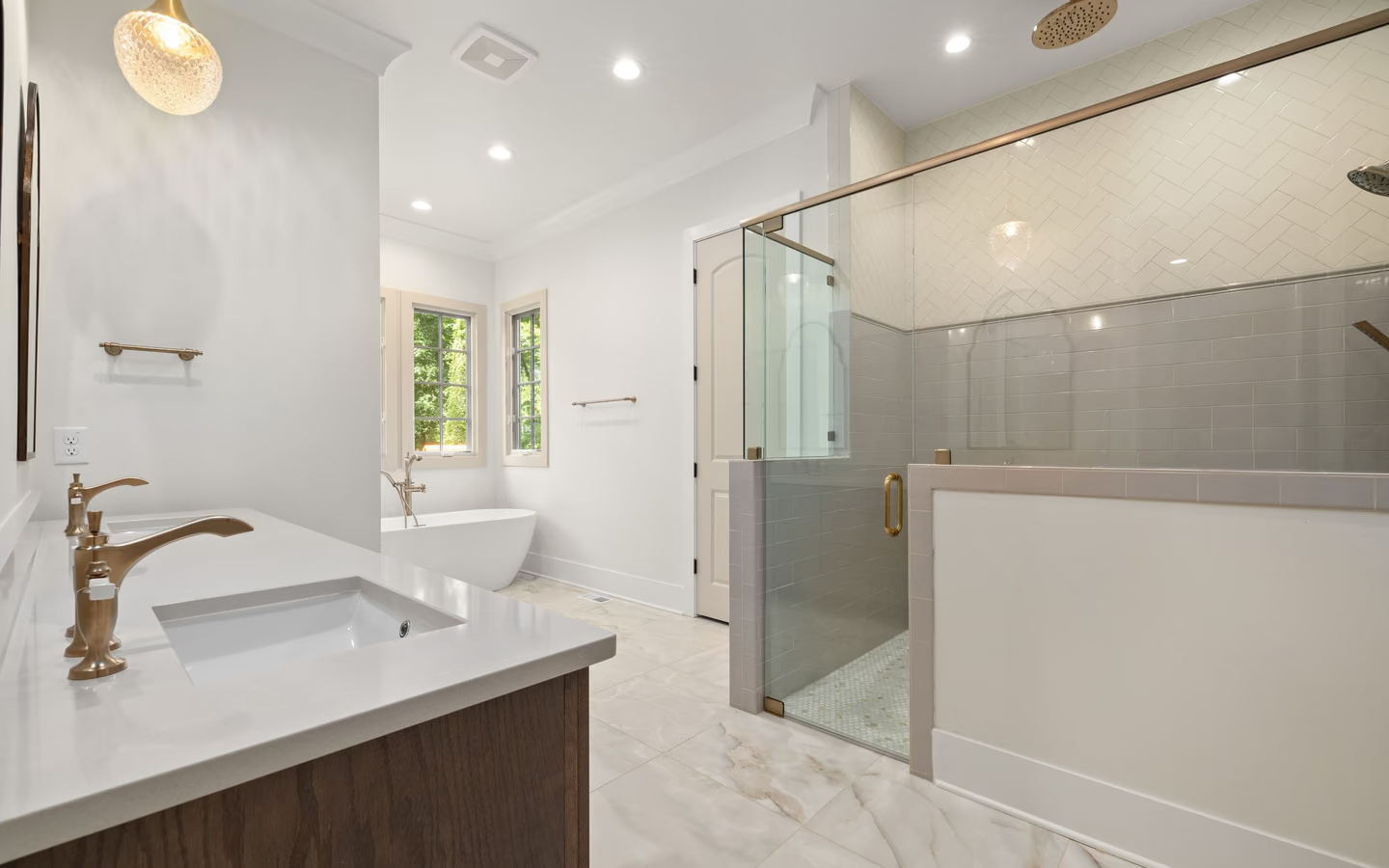
Bright modern bathroom with a glass shower, bathtub, warm wood vanity, and gold accents
Bright modern bathroom with a glass shower, bathtub, warm wood vanity, and gold accents.

How to use this checklist

Work the money questions before proposals arrive, not after one is in front of you. The total to plan around is the contract price plus contingency plus the temporary-living and logistics costs the project creates; financing only the contract price is how contingencies end up on high-interest cards mid-project.

Treat any financing offered alongside a construction contract as one option among several, and compare it on the same terms as the rest: total repayment cost, rate structure, fees, timing of funds against the payment schedule, and what happens if the project changes size. The offer being convenient tells you about the sales process, not the terms.

The considerations that deserve slow thought

Reserves come before borrowing. A project funded to the last dollar has no shock absorber, and construction is a field with shocks; deciding in advance how much cash stays untouched, and what happens if the contingency is fully spent, is more protective than any rate comparison.

Payment timing is a quiet term worth aligning. Construction contracts pay against milestones; financing disburses on its own schedule, and mismatches between the two become bridge borrowing nobody planned. Read the contract's payment schedule against the funding timeline before signing either.

Lien exposure and disclosures round out the diligence. Remodeling work can create lien rights for unpaid contractors and suppliers in many places, which is a reason to keep payments, waivers, and records orderly. Any financing paperwork deserves the same reading: total cost of credit, prepayment terms, what is secured against the home, and every fee with a vague name.


Money questions and where each gets answered

The rows separate questions that belong to your finances from those that belong in the contract.

Financing considerations mapped to where each is resolved.
TopicThe question to settleWhere the answer lives
True project totalContract price plus contingency plus living-logistics costs.Your budget worksheet, before any proposal is signed.
ReservesWhat cash stays untouched no matter how the project goes.Your household planning, decided before borrowing size.
Terms comparisonTotal repayment cost, rate structure, fees, and flexibility.Side-by-side comparison across independent options.
Timing alignmentFunds availability against the contract's payment milestones.Read both schedules together before signing either.
Liens and recordsWaivers, payment records, and clean closeout documentation.The contract's payment terms and your project file.

The financing readiness list

Complete these before contract day so the signing table holds no money surprises.

Know your number

  • Contract price, contingency, and logistics costs summed as one total

  • Reserves decided and firewalled from the project

  • The project size at which you would walk away

Compare independently

  • More than one financing option gathered on your own schedule

  • Total cost of credit computed for each, not just the rate

  • Prepayment and change-of-scope flexibility understood

Read the fine print

  • Every fee named and explained in plain words

  • What is secured against the home, stated explicitly

  • Payment milestones aligned with funding availability

Bring these questions to the conversation

  • How does your payment schedule map to project milestones?

    You are checking that money is earned by verifiable progress and that the schedule leaves no large payment ahead of large work. The shape of the schedule is a character reference.

  • What documentation accompanies each payment request?

    Orderly projects invoice against named milestones with lien waivers where customary. Ask what you will receive with each request before the first one arrives.

  • What happens financially if the scope grows mid-project?

    Change orders change the total; ask how they are priced, when they are paid, and how they interact with any financing already sized to the original number.

  • Can I take this financing paperwork home before deciding?

    Any pressure to decide financing at the project table is information. Terms that are good today are good after a night's reading.

Common questions

Frequently asked questions

Is contractor-offered financing always a bad idea?

No, it is sometimes competitive; the caution is about process, not origin. Compare it against independent options on total cost and flexibility, on your own schedule, and let it win on terms if it wins.

Should the contingency be financed too?

Plan its funding source in advance either way. A contingency that exists only as hope gets funded at the worst possible moment on the worst available terms; one planned into the financing or reserves is just a line item.

Sources and methodology

Research & methodology

Sources

References supporting the planning guidance on this page.

  1. Bathroom Planning GuidelinesNational Kitchen & Bath Association
    Trade sourceAccessed
  2. NAHB Remodeling Market IndexNational Association of Home Builders
    Trade sourceAccessed

Share your project. Call when ready.

Turn your research into a clear project request

Share your project, full service address, and contact details securely, then call when you are ready to discuss availability with an independent professional.