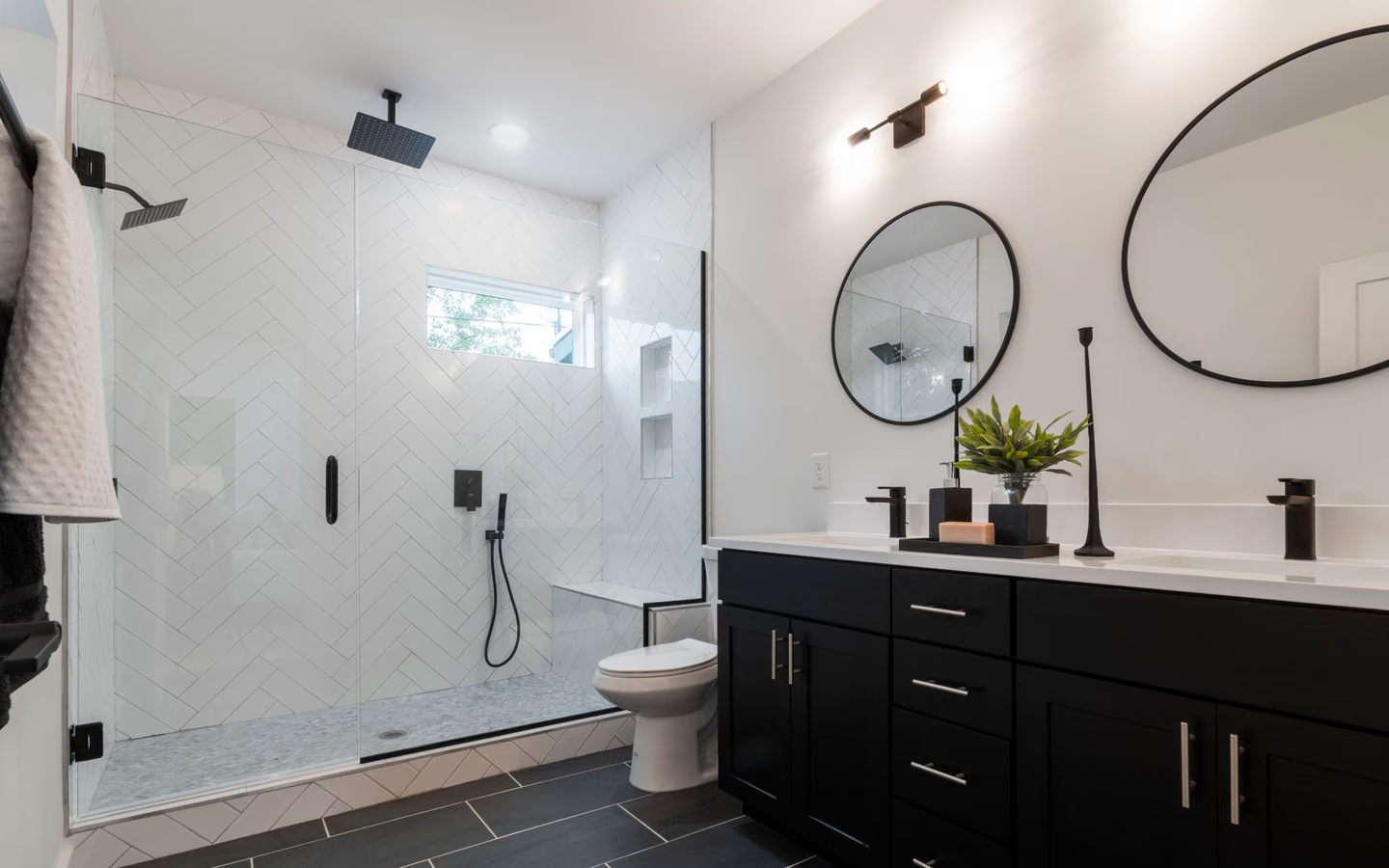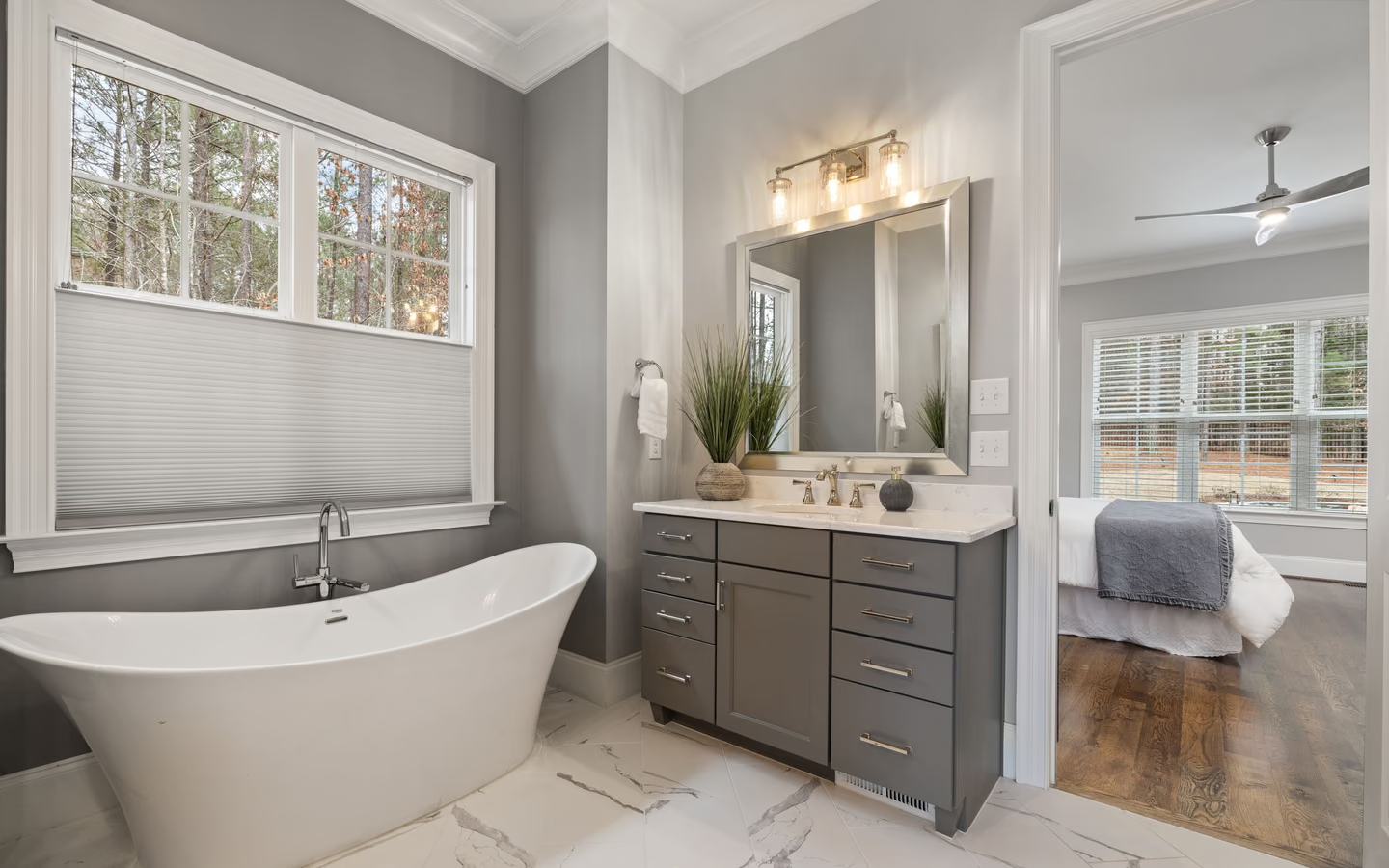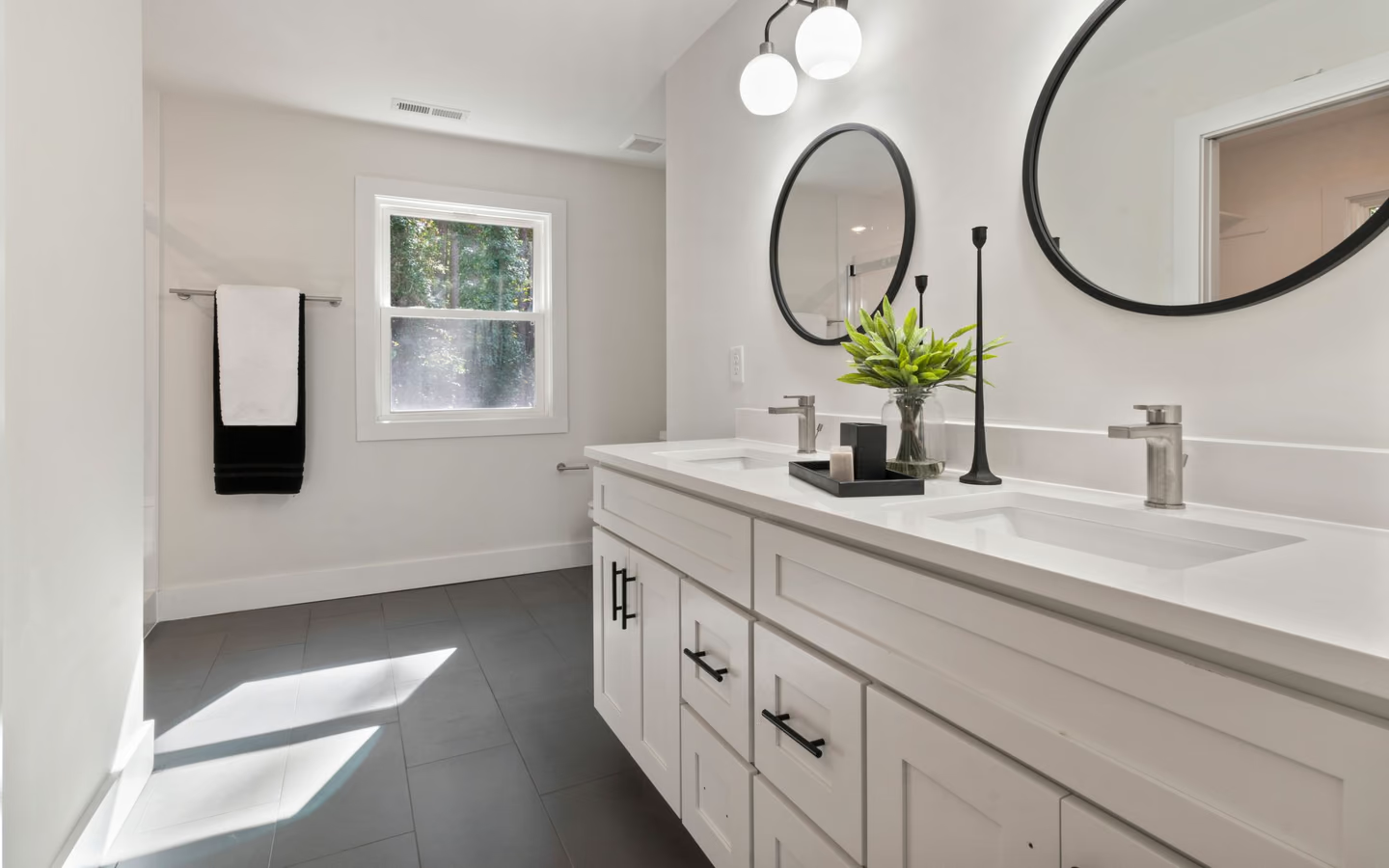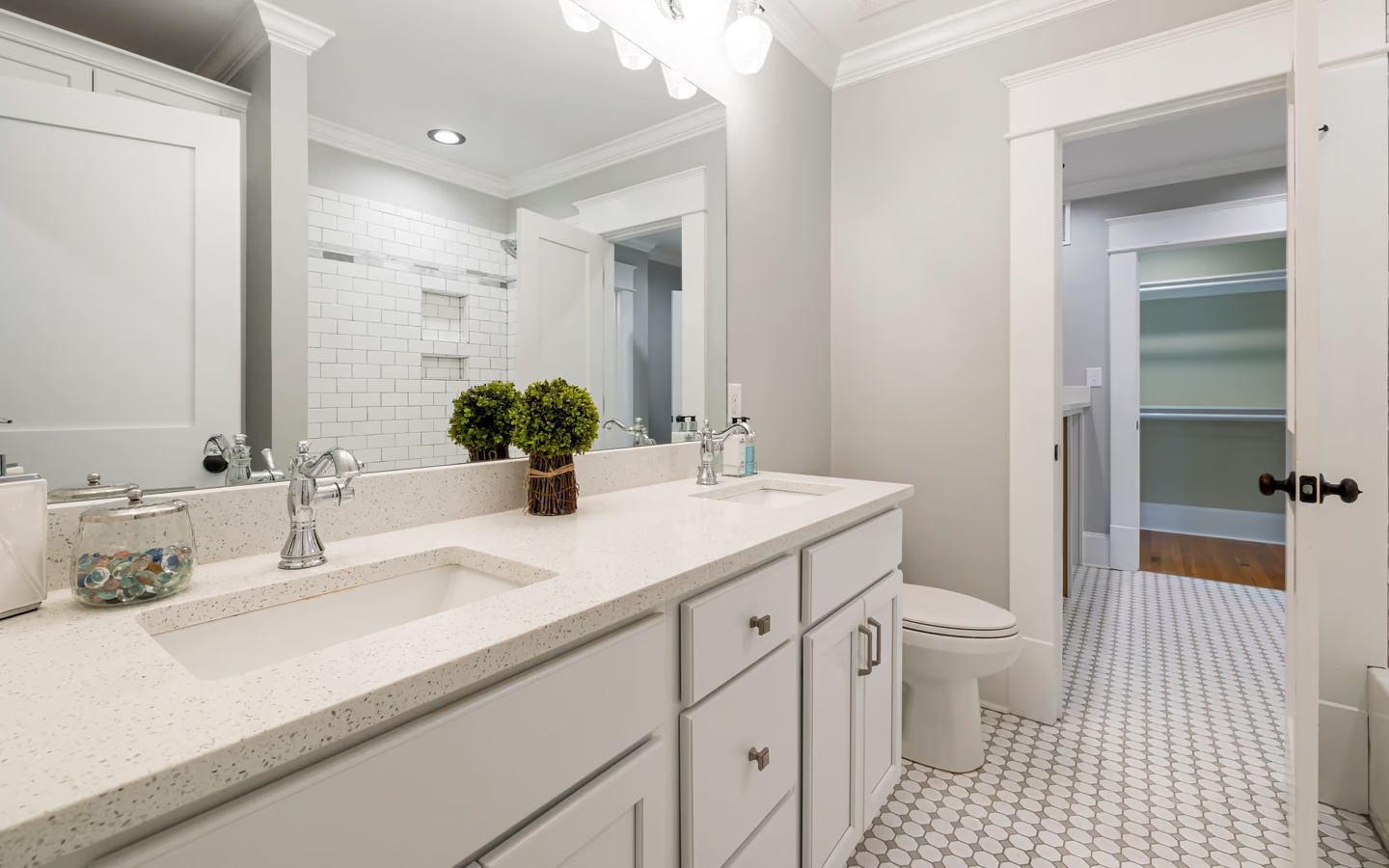
What the evidence and experience support
Cost-recovery reporting across remodeling categories tells a consistent story: bathroom projects recover meaningful fractions of their cost at resale on average, with the fraction varying by market, project scale, and timing, and almost never exceeding what was spent. The practical reading: remodel because the room fails or the household wants it, and treat any future pricing effect as a partial rebate, not a business case.
Neighborhood context disciplines the finish conversation: rooms dramatically above or below the surrounding stock both price awkwardly, and matching the neighborhood's expectations is the resale-rational posture. Defect correction ranks above all finishes in any sale conversation, since inspection findings, leaks, moisture damage, failing assemblies, cost more in negotiation than their repairs ever did, and documented correct work is itself a selling asset.
The lived-value ledger deserves equal standing: a room used multiple times daily by every household member, for years, is one of the home's highest-traffic assets, and function, storage that works, bathing that suits, maintenance that stays easy, pays continuously in a currency no appraisal measures. The framework's summary: fix defects always, restore function for the household, choose finishes for the years you will live with them, and let resale be the pleasant surprise it occasionally is.