Planning and budgeting guide

Build a budget that states its assumptions

A single average price answers nothing, because no bathroom is average. This guide builds a planning range from the variables that actually move remodeling cost: room type and size, scope depth, layout decisions, finish level, labor region, permits, allowances, and the contingency that absorbs what walls conceal.

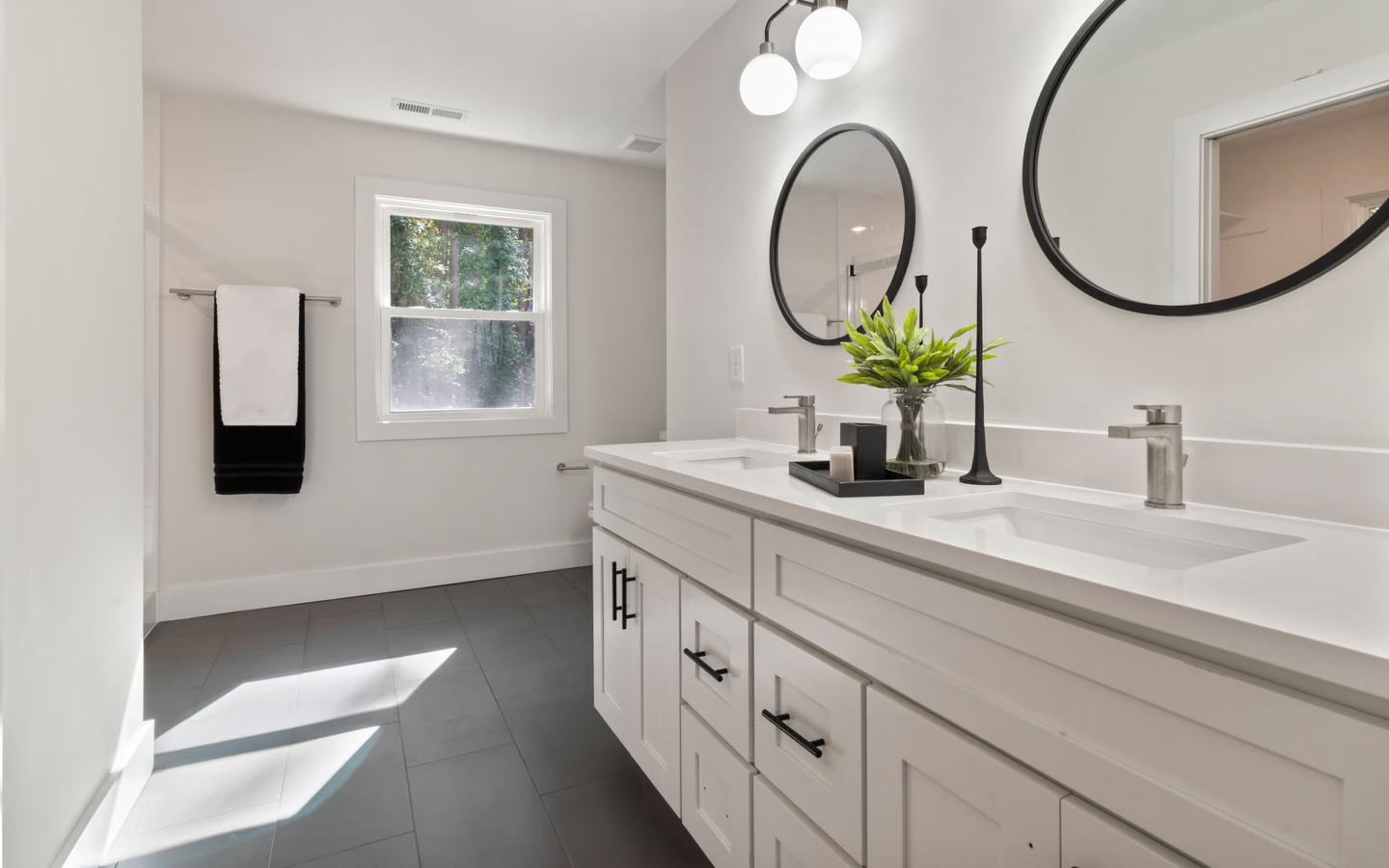
Bright modern bathroom with white fixtures, a long vanity, and restrained neutral decor
Bright modern bathroom with white fixtures, a long vanity, and restrained neutral decor.

How to work from variables to a range

Start by naming your room and scope honestly. A powder refresh and a full gut of a primary bath live in different cost universes, and most budget frustration comes from comparing across that line. Write the room type, the approximate square footage, whether the layout stays, and which surfaces and fixtures are actually changing. Those four sentences do more to define your number than any calculator.

Then layer the adjusters: the finish class you intend to hold, the labor market you live in, permit and inspection involvement for the scope, and the allowance quality your quotes will assume. Each one shifts the range rather than setting a point. The output of this exercise is not a dollar figure; it is a written set of assumptions a professional can confirm or correct in the first conversation.

The variables that actually move the number

Scope depth dominates everything else. Keeping the layout and replacing finishes in place is the least expensive posture; opening walls, moving fixtures, or expanding the footprint each add trade work, permit involvement, and restoration that finish choices cannot offset. Decide the scope line first and defend it, because every later decision inherits it.

Finish level is the honest second lever. The same shower reads value-conscious in ceramic and stock glass or premium in large-format porcelain and custom panels, with labor rising alongside material because precision takes time. Choose the class per surface rather than per room: many strong budgets hold a premium wet area inside an otherwise standard room.

Region and labor market set the multiplier most homeowners forget. Published wage data shows meaningful spreads for the same trade hour across metros, and regional price levels move material and overhead with them. A relative's project in another state is a story, not a benchmark.

Finally, fund uncertainty explicitly. Concealed conditions, allowance overages, and mid-project selections are normal, not exceptional; a contingency held outside the contract price keeps them decisions instead of crises. When a proposal arrives with no room for the unknown, the risk has not disappeared, it has just moved onto your side of the table.
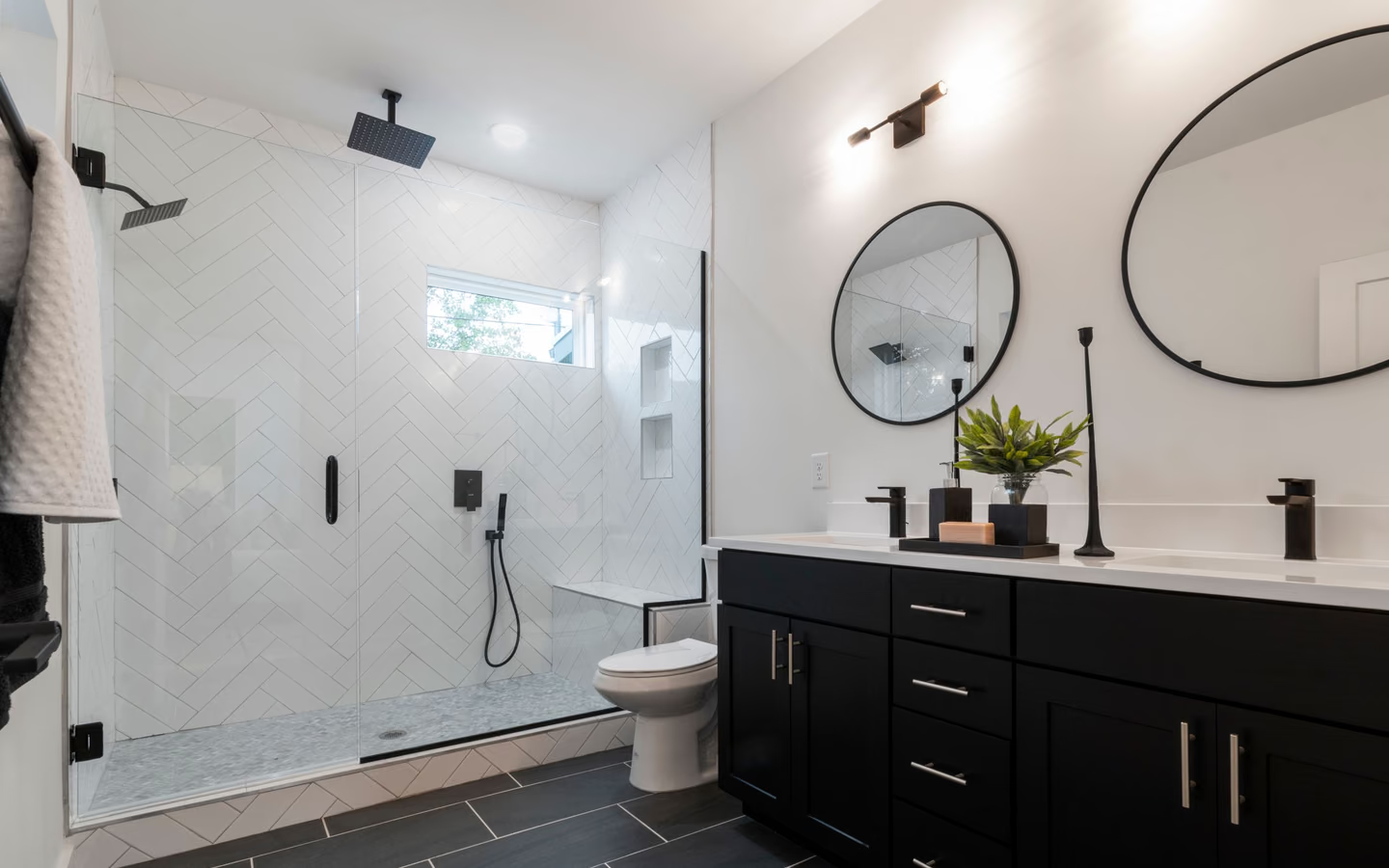
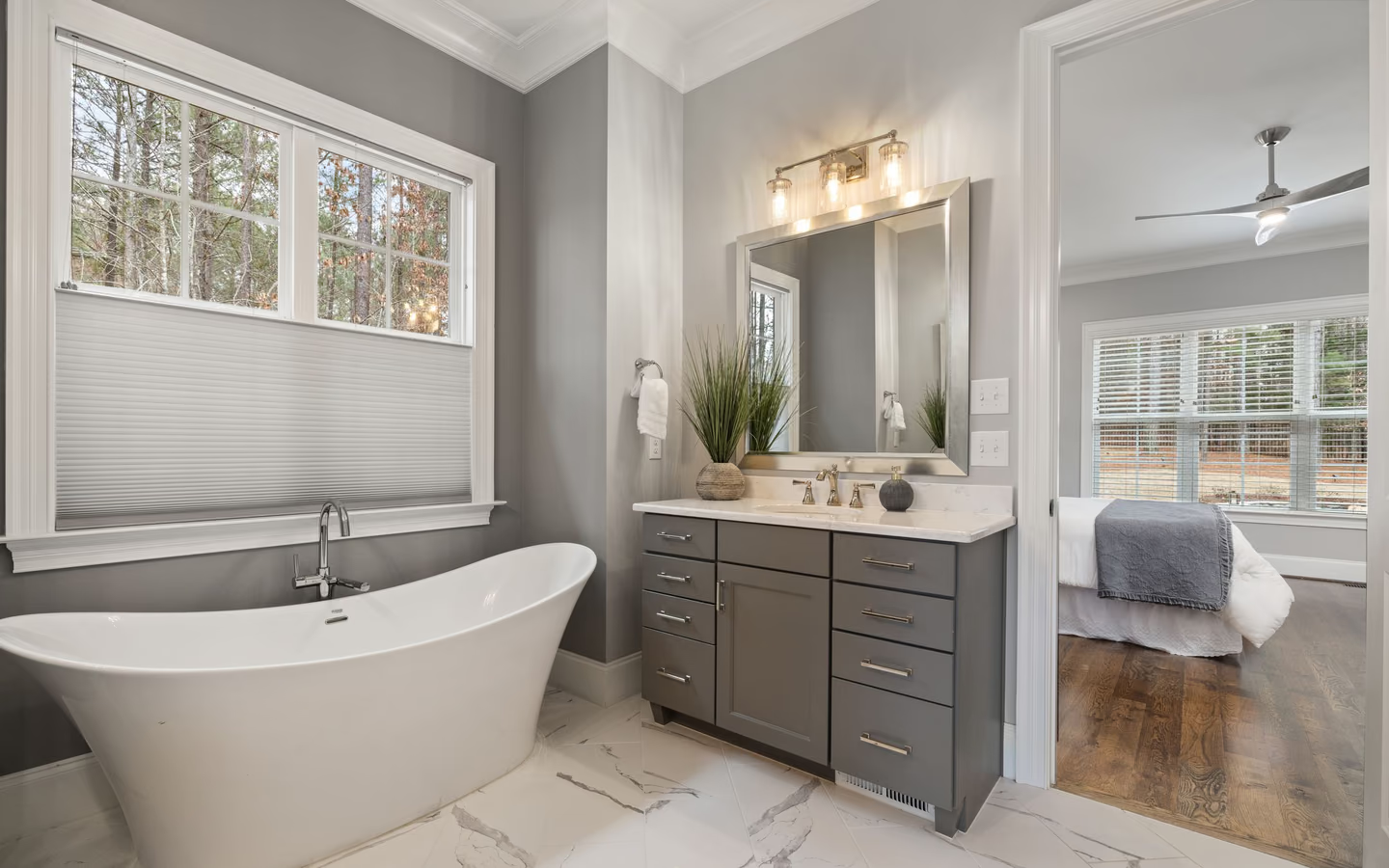
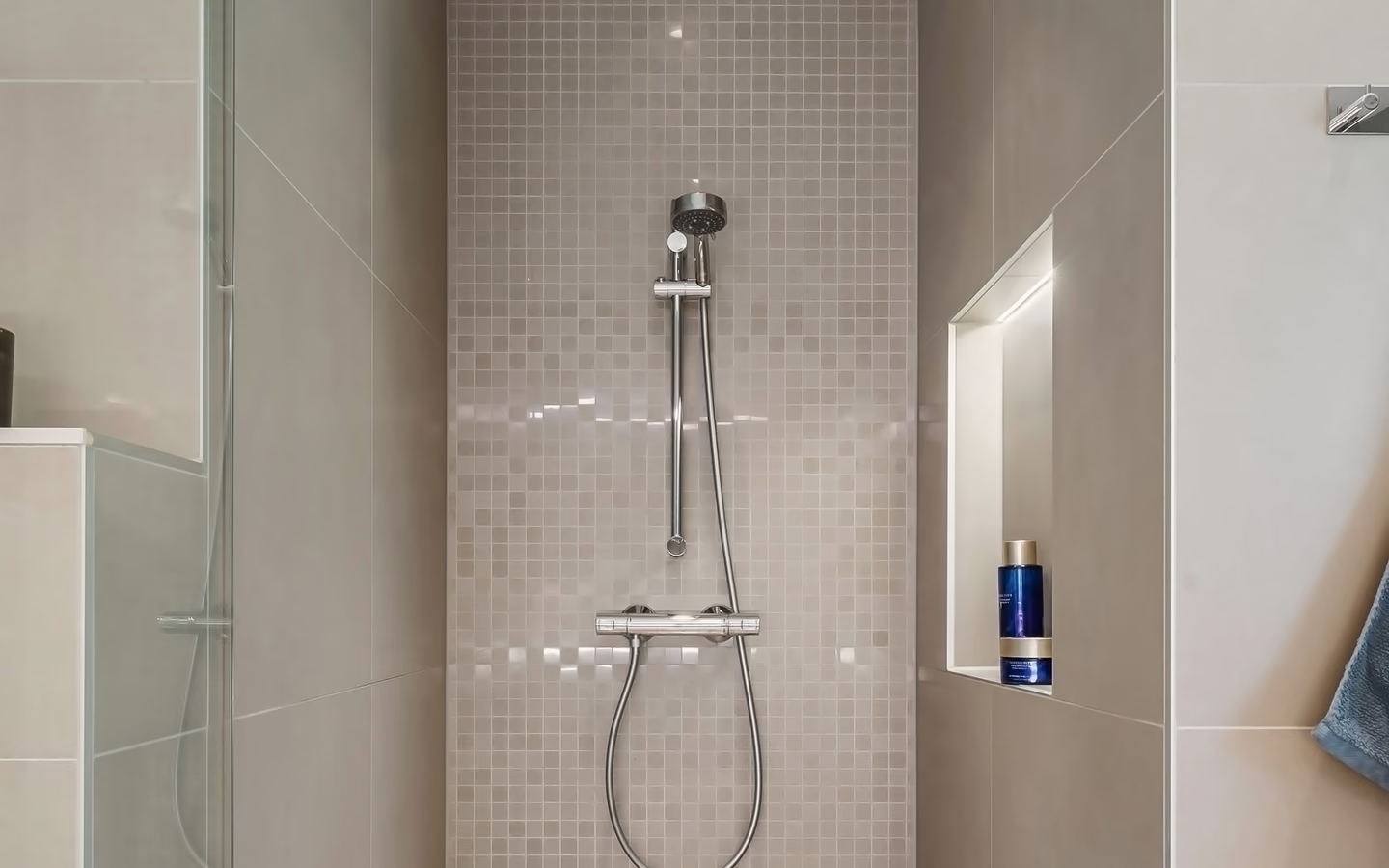
Contemporary bathroom with a black vanity, twin round mirrors, and a glass shower
Contemporary bathroom with a black vanity, twin round mirrors, and a glass shower.

Budget variables and how they move the range

Each variable below shifts the planning range in a known direction. Set them deliberately and the range narrows on its own.

The main budget variables and the direction each one pushes.
TopicWhat it controlsHow to set it deliberately
Room type and sizeThe baseline quantity of surfaces, fixtures, and trade hours.Measure the real room; do not borrow a number from a different footprint.
Scope depthWhether walls open, fixtures move, and permits engage.Write a keep-or-change decision per fixture before pricing anything.
Finish classMaterial spend and the installation precision it demands.Assign a class per surface and hold it under showroom pressure.
Labor regionThe rate applied to every trade hour in the project.Anchor expectations to local quotes, not national stories.
ContingencyThe buffer that absorbs concealed conditions and overages.Hold a stated percentage outside the contract and spend it in writing.

Write the budget before anyone prices it

A budget you can defend fits on one page. Complete these lines before the first quote conversation.

Define

  • Room type, measured size, and which fixtures stay put

  • The scope line: surfaces only, systems included, or layout change

  • A finish class per surface, named in plain words

Adjust

  • Local labor reality confirmed against at least one real quote

  • Permit involvement expected for the declared scope

  • Allowance quality assumed for fixtures, tile, and glass

Protect

  • A contingency percentage held outside the contract price

  • A written rule for who releases contingency and how

  • The three items you will cut first if the range tightens

Bring these questions to the conversation

  • Which of my assumptions would you correct first?

    Hands the professional your written framework and invites a specific correction rather than a vague total. The quality of the correction tells you about the estimator.

  • What does my finish class buy from your usual suppliers?

    Grounds the class in real product lines before selections start, and reveals whether the allowance in the proposal can actually deliver it.

  • What in this room most often surprises you at demolition?

    Converts their experience into your contingency sizing. A professional who names specific local surprises is pricing your risk honestly.

  • Where does my budget conflict with my scope?

    The most valuable sentence in the first meeting. A candid mismatch answer early is worth more than a flattering total that erodes through change orders.

Common questions

Frequently asked questions

Why does every source give a different average cost?

Because each averages a different mix of rooms, scopes, regions, and finish levels. Averages describe datasets, not your bathroom; a range built from your own assumptions will beat any of them.

What percentage should the contingency be?

Enough to absorb the uncertainty your scope carries: modest for a surface refresh in a young home, substantially more for older homes and layout changes. The written rule matters more than the exact percentage.

Sources and methodology

Research & methodology

Sources

References supporting the planning guidance on this page.

  1. Occupational Employment and Wage StatisticsU.S. Bureau of Labor Statistics
    Government sourceAccessed
  2. Regional Price Parities by State and Metro AreaU.S. Bureau of Economic Analysis
    Government sourceAccessed
  3. Bathroom Planning GuidelinesNational Kitchen & Bath Association
    Trade sourceAccessed
  4. NAHB Remodeling Market IndexNational Association of Home Builders
    Trade sourceAccessed

Share your project. Call when ready.

Turn your research into a clear project request

Share your project, full service address, and contact details securely, then call when you are ready to discuss availability with an independent professional.