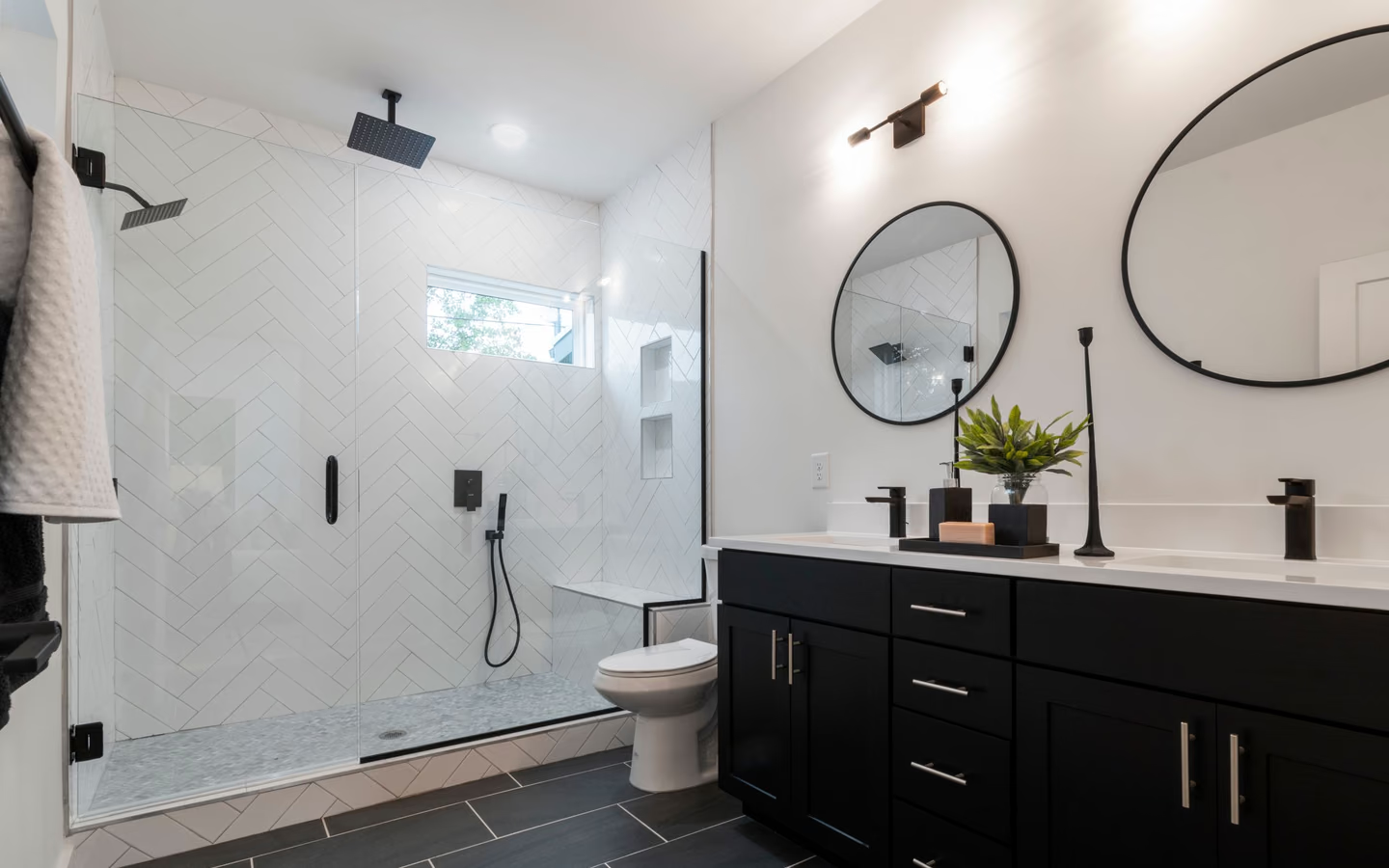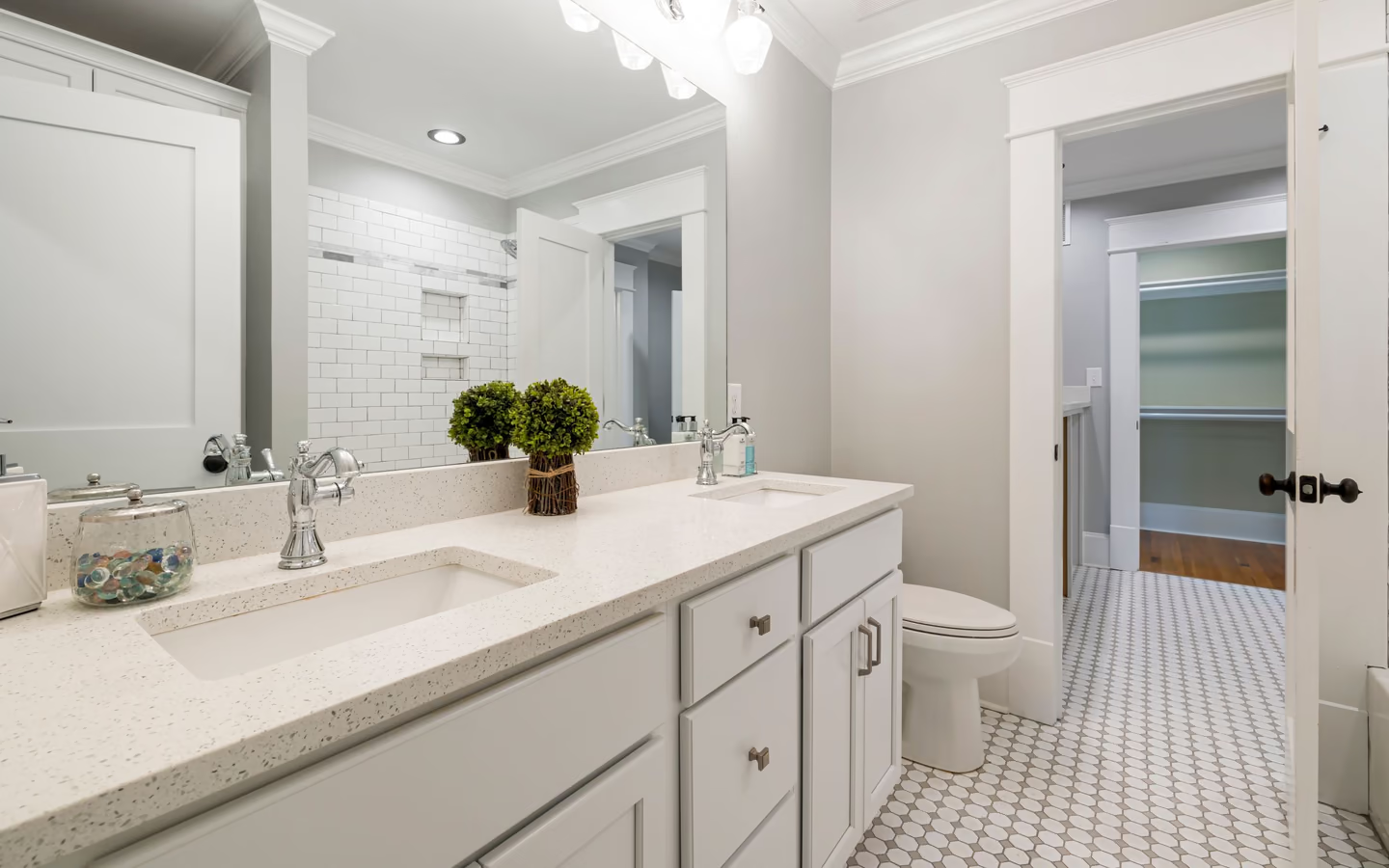

Where bids actually diverge
Scope interpretation is the largest source of spread. One bidder includes substrate replacement, another assumes the existing base is sound, a third excludes it and waits for demolition. None of the three is dishonest; they are pricing different risk positions. Your grid makes the positions visible so you can choose one deliberately and ask the others to match it.
Allowances are the second divergence engine. A low bid built on thin allowances is not cheaper; it is deferred. Convert every allowance to its assumed quality class and ask what the stated figure actually buys locally. Two proposals with identical totals can carry very different purchasing power at the tile counter.
Exclusions and schedule round out the picture. An excluded permit, an excluded haul-away, or a schedule that assumes instant selections each move real cost and time onto you invisibly. Read the smallest print in each proposal against the same checklist, and treat what is missing as information about how surprises will be handled later.