Value, maintenance, and efficiency comparison

Buy the cleaning schedule, not just the surface

Every material purchase is also a maintenance subscription, and bathrooms bill weekly. This comparison evaluates surfaces by their care reality: seams and joints, porosity, texture, coatings, grout exposure, water spotting, chemical sensitivity, repair paths, parts availability, and access, matched against the household's honest cleaning habits rather than its aspirations.

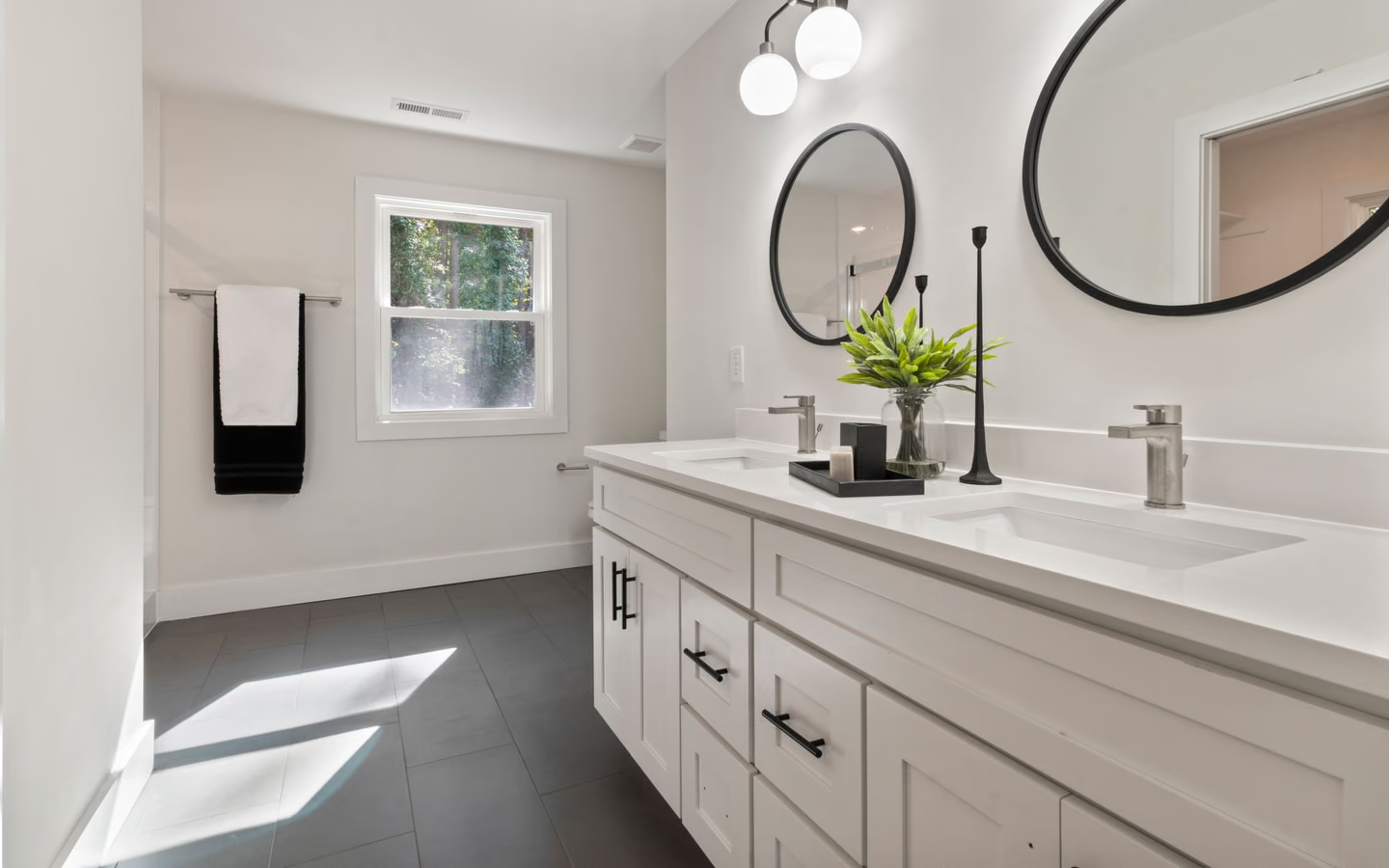
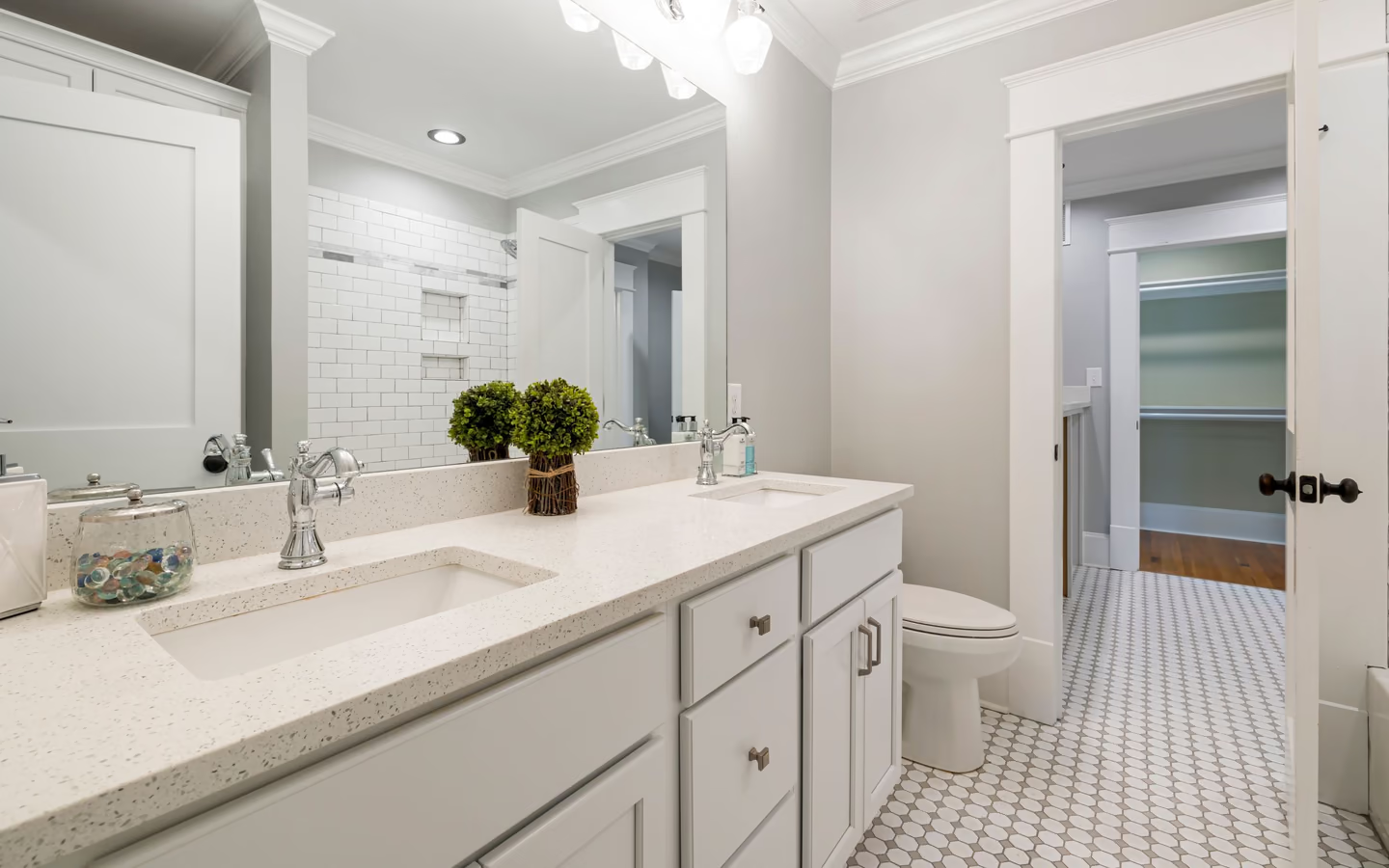
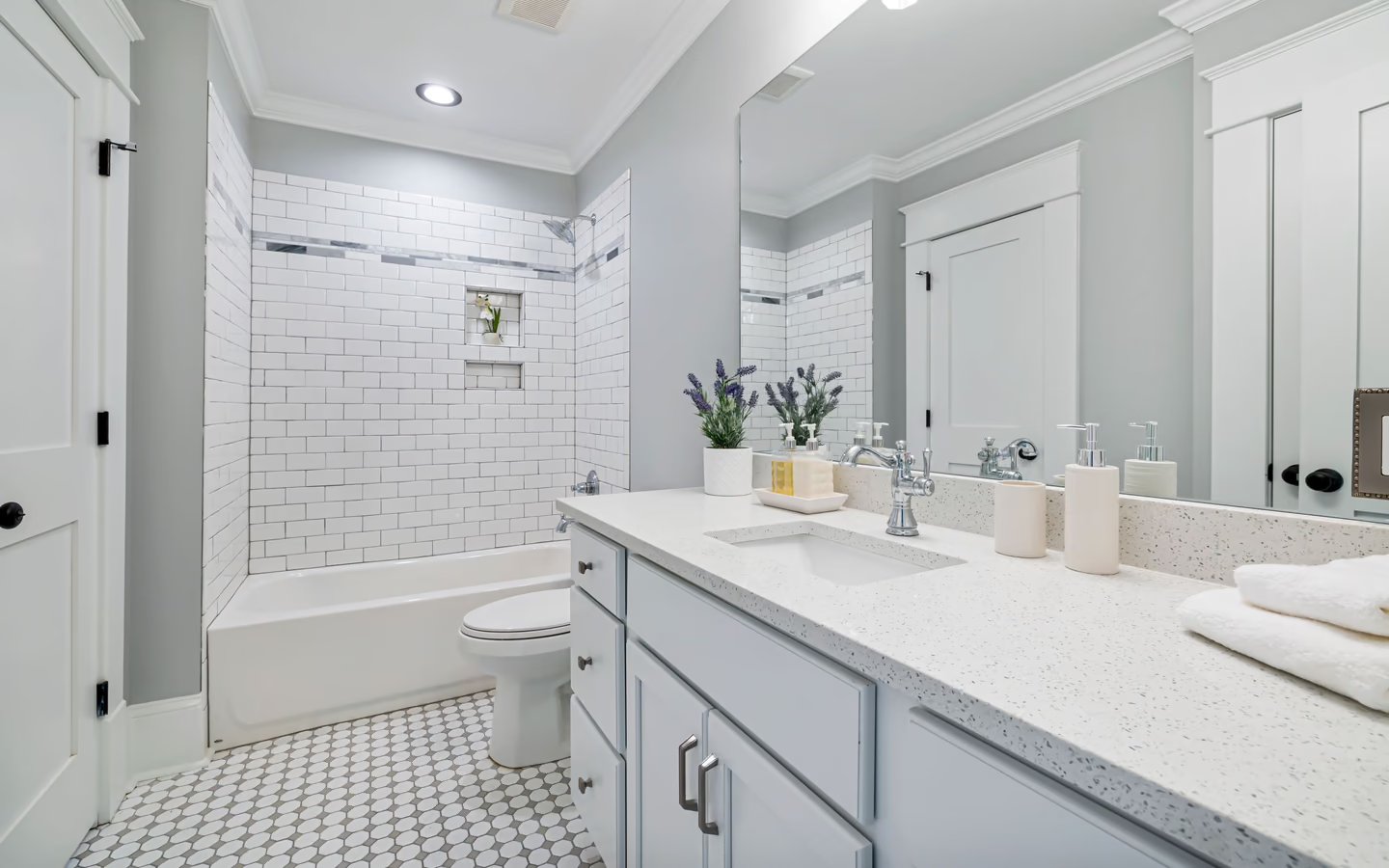
Contemporary white bathroom with subway tile, a bathtub, and streamlined fixtures
Contemporary white bathroom with subway tile, a bathtub, and streamlined fixtures.

How to choose for low maintenance

Count the joints before the beauty: cleaning time lives at seams, grout lines, edges, and hardware crevices, not in open field, so the maintenance ranking of two rooms is mostly the ranking of their joint counts. Large formats, panels, integrated sinks, one-piece toilets, and frameless-minimal hardware all win the same way, fewer places for the week to accumulate.

Then match texture and chemistry to the household: deeper textures grip soap film and ask for scrubbing rhythm; polished surfaces show every drop in hard-water homes; some premium surfaces forbid the convenient cleaners the household actually buys. The honest questionnaire, who cleans, how often, with what products, and what water, sorts materials faster than any showroom tour.

Where maintenance actually concentrates

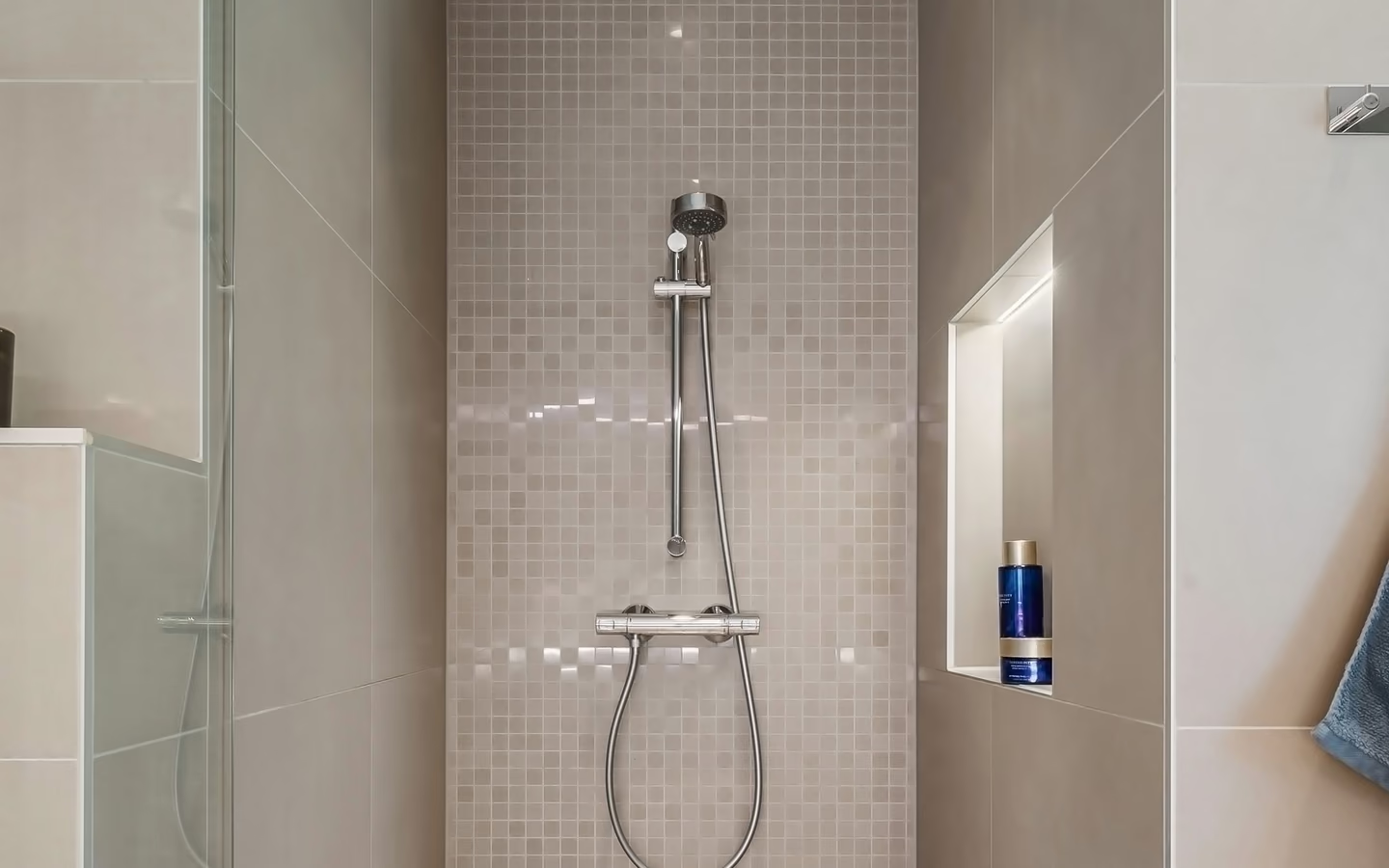
The shower is the subscription's biggest line: grout fields want periodic care where panels wipe; glass wants squeegee habits or spot-forgiving finishes; textured floor tile trades grip for scrub time; and high-performance grout chemistry buys years of stain resistance where standard joints want sealing cycles. A shower specified for low care, larger tile or panels, minimal joints, quality grout, smooth-glass hardware, halves the room's weekly bill by itself.

Fixtures and counters follow: brushed and satin metal finishes hide the spots polished chrome displays; one-piece and skirted toilets erase the crevice geography of bolt caps and trapways; undermount or integrated sinks delete the rim line where grime settles; and non-porous counters shrug at cosmetics that stain stone. Each choice is small; together they are the difference between a wipe-down room and a project room.

Repair and access complete the ledger: materials with local repair paths, a swapped tile from attic stock, a re-doable caulk joint, a sandable solid surface, cost less over a decade than monolithic surfaces whose damage means replacement; parts availability keeps faucets and toilets serviceable rather than disposable; and access, the panel at the valve, the reachable trap, converts future service from demolition to errand. Low maintenance is partly a purchasing decision and partly an architecture.
Choices ranked by their maintenance consequence

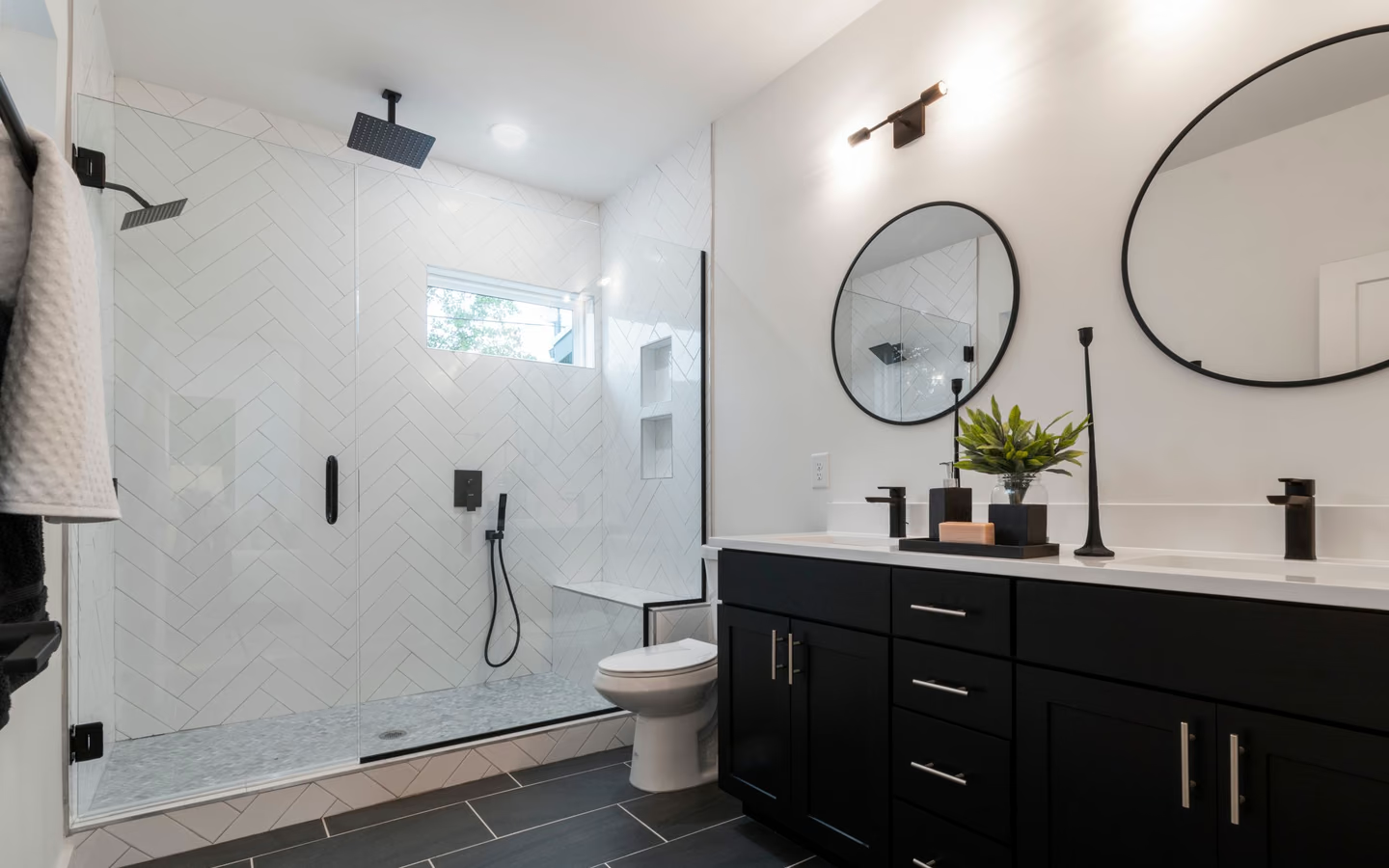
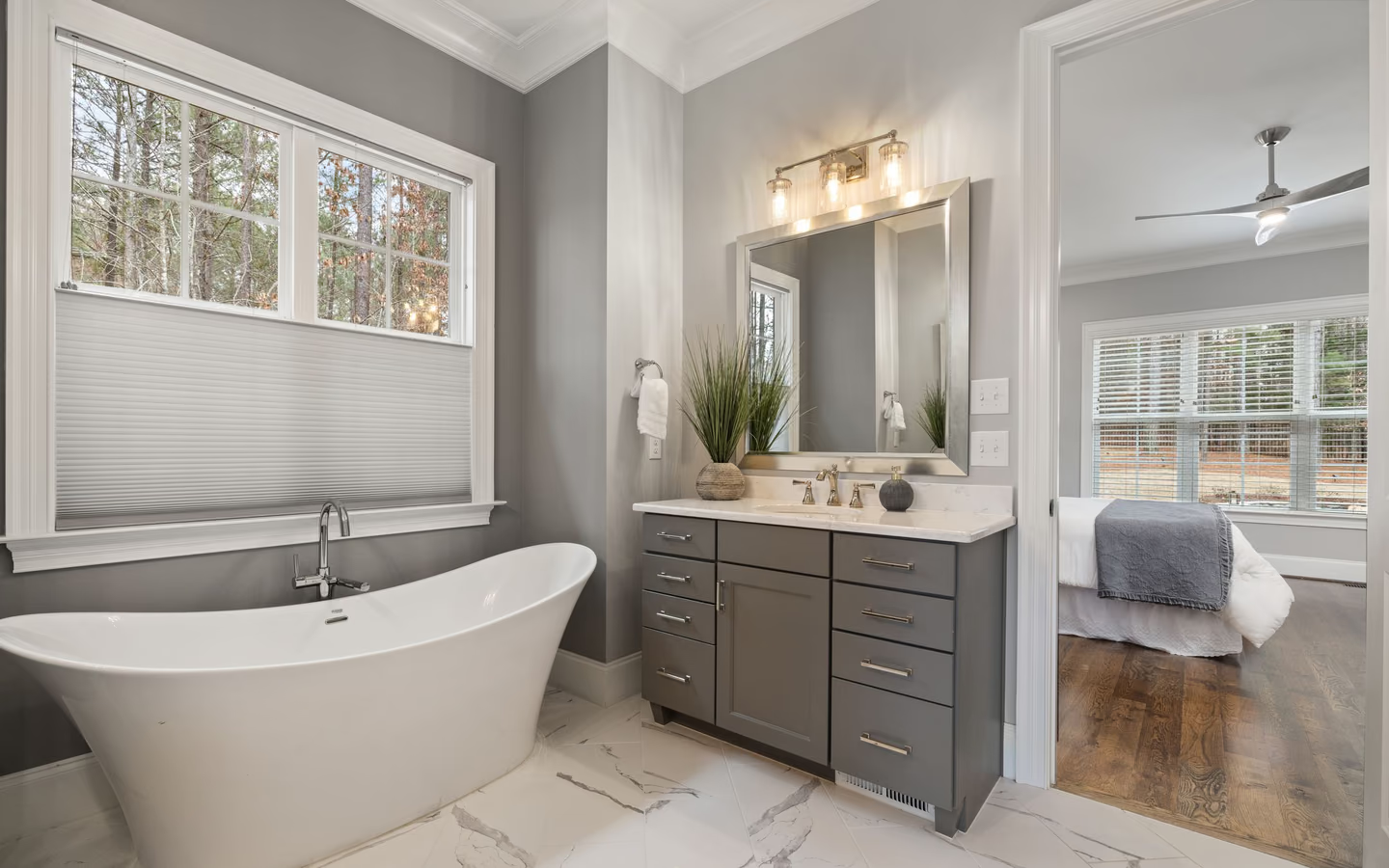
Each row pairs a decision with its weekly and decade consequences.

Material choices with maintenance consequences.
TopicLower-care choiceWhat it saves
Wall systemsPanels or large-format tile with quality grout.The shower's scrubbing line, weekly, forever.
Glass and hardwareMinimal frames, smooth hinges, spot-forgiving coatings.Track-digging and water-spot patrol.
Fixture geometrySkirted toilets, integrated sinks, wall-hung pieces.The crevice tour every cleaning day.
Metal finishesBrushed families over polished, in hard water.Daily fingerprint and droplet management.
CountersNon-porous surfaces with eased maintenance rules.Sealing cycles and cosmetic stain anxiety.

The maintenance-honest selection list

Answer with the household you have, not the one the showroom imagines.

The habits

  • Who cleans, how often, stated plainly

  • The products actually under the sink today

  • Water hardness known and admitted

The choices

  • Joint count compared across finalists

  • Textures matched to the scrubbing appetite

  • Chemical rules read for each premium surface

The decade

  • Repair paths and parts confirmed

  • Access preserved at valves and traps

  • Attic stock and spare materials reserved

Bring these questions to the conversation

  • Which of my finalists has the fewest joints to maintain?

    The joint count is the maintenance forecast. Asking it explicitly reorders many shortlists in one conversation.

  • What does this surface forbid me from cleaning with?

    Chemical sensitivities turn convenient habits into damage. The forbidden list belongs in the decision, not the warranty claim.

  • How does this choice behave in my water?

    Hardness decides the spotting story for glass, metal, and dark surfaces. Local installers know; ask them, not the brochure.

  • What is the repair path when damage happens?

    Swap, patch, sand, or replace: the paths differ enormously. The decade's cost lives in this answer.

Common questions

Frequently asked questions

Is low-maintenance design a style compromise?

Less than ever: large formats, integrated fixtures, and minimal hardware are current design language and care winners simultaneously. The compromises are specific, deep textures, polished dark surfaces, ornate hardware, and a room can skip them while looking exactly like the photographs.

What single choice reduces bathroom maintenance most?

The shower wall system: moving from standard-joint tile to panels or large formats with premium grout removes the room's largest recurring chore. Pair it with a squeegee hook actually within reach and the weekly bill drops by half.

Sources and methodology

Research & methodology

Sources

References supporting the planning guidance on this page.

  1. Bathroom Planning GuidelinesNational Kitchen & Bath Association
    Trade sourceAccessed
  2. Trade sourceAccessed

Share your project. Call when ready.

Turn your research into a clear project request

Share your project, full service address, and contact details securely, then call when you are ready to discuss availability with an independent professional.