Materials and finishes comparison

Panels or tile: the wall system decision

Shower walls are a system choice between two philosophies: large panels that minimize joints and maintenance, or tile that maximizes design freedom and repairability. This comparison works the axes that decide it: fit and seams, waterproofing roles, pattern range, substrate needs, installation, repair, cleaning, replacement, lead time, and cost posture.

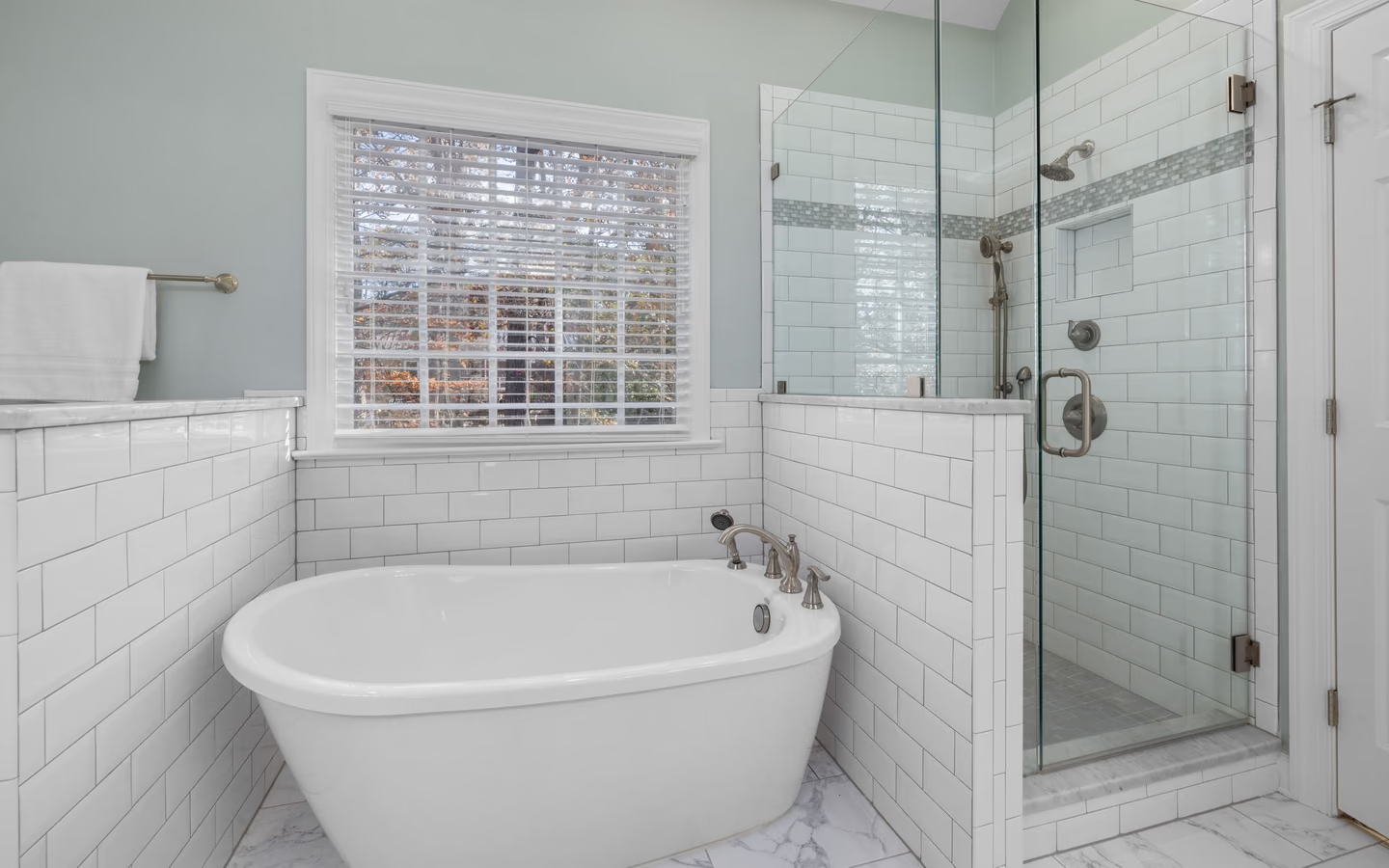
Sleek modern bathroom with a freestanding tub, glass shower, and bright natural light
Sleek modern bathroom with a freestanding tub, glass shower, and bright natural light.

How to choose your wall system

Decide what the wall must do beyond shedding water: display a design the market sells in tile, or disappear into low-maintenance calm the panel world owns. Households cleaning grout with resentment already know their answer; households whose design centers on pattern, borders, or mosaic detail know theirs. The honest starting question is who cleans, and what they want to stop doing.

Then compare systems as systems: what waterproofs the wall, the membrane behind tile, or the panel-plus-seam assembly itself; what the substrate must be for each; and what happens at year ten, a regrout and local repairs, or seam renewal and panel aging. The install-day comparison flatters panels; the decade comparison is fairer to both.

The axes where they truly differ

Seams versus joints is the philosophical core: tile distributes hundreds of small grout lines that want periodic care and forgive local damage with local repair; panels concentrate everything into a few long seams that want quality sealant work and periodic renewal, and repay with wipe-down cleaning. Both fail at their joints when neglected; they just have very different numbers of them.

Design range diverges hard: tile owns pattern, format play, niches, borders, and the entire mosaic tradition; panel ranges have grown, stone looks, large-format prints, coordinated trims, but choose from a catalog, and true built-ins like tiled niches and benches favor tile's flexibility. Conversely, panels own the seamless look tile can only approximate with large formats and skill.

The practical middle matters: panels typically install faster over sound substrates, sometimes over existing surfaces where systems permit, which drives their renovation popularity; tile builds slower atop its membrane with cure and grout time. Repair inverts the story, a cracked tile swaps from attic stock, while a damaged panel often means seam surgery or replacement. Lead times, cost posture, and installer availability in your market complete the decision honestly.
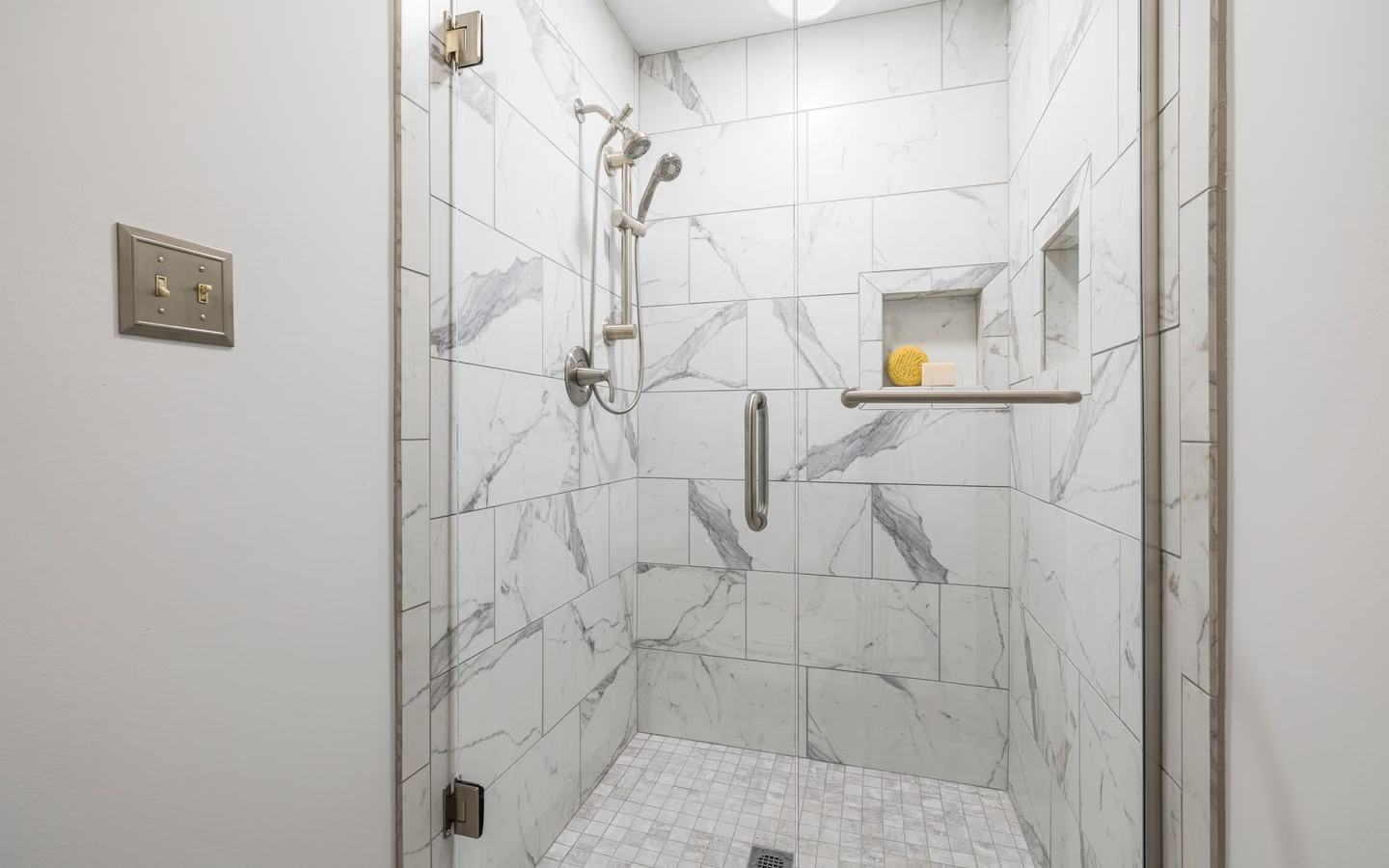
Spa-like walk-in shower finished in bright marble tile with clear glass and built-in storage
Spa-like walk-in shower finished in bright marble tile with clear glass and built-in storage.

Panels and tile across the decision axes

Read your priorities down the rows; the wall usually chooses itself by the fifth.

Shower wall panels versus tile on the axes that decide.
TopicWall panelsTile
Joints to maintainFew long seams, renewed periodically.Many grout lines, cared for periodically.
Design rangeCatalog looks, growing but bounded.The open market plus true built-ins.
Waterproofing rolePanel and seams are the system.The membrane behind is; tile is the finish.
Repair storySeam surgery or panel replacement.Local swaps from attic stock.
Install and scheduleFast over sound substrates.Layered build with cure and grout time.

Wall-system decision list

Confirm the leaning against these lines before contracts are signed.

The household

  • Cleaning appetite stated honestly

  • Design ambitions listed: patterns, niches, benches

  • The decade view discussed, not just install week

The system

  • Panel: seam sealing standard and warranty read

  • Tile: membrane method named behind the finish

  • Substrate condition verified for either route

The market

  • Installer skill available for the chosen system

  • Lead times checked for panels or specialty tile

  • Repair materials reserved: attic stock or seam kit

Bring these questions to the conversation

  • Who waterproofs this wall in your proposal, and how?

    For panels, the seam assembly; for tile, the named membrane method. Either answer should be specific enough to verify mid-build.

  • What does my design want that only one system provides?

    Tiled niches, benches, and pattern say tile; seamless calm says panels. Naming the non-negotiables ends most debates quickly.

  • What does year-ten maintenance look like for each, in my market?

    Seam renewal versus grout care, priced locally. The decade answer is the honest comparison the showroom skips.

  • If damage happens, what does repair involve?

    Attic-stock swaps versus panel surgery. The repair story deserves a place in the decision beside the beauty story.

Common questions

Frequently asked questions

Are panels a budget compromise or a real choice?

Quality panel systems are a legitimate philosophy, chosen by maintenance-first households at every budget level. The compromise version exists, thin panels badly seamed, just as bad tile exists; system quality and installation discipline decide, not the category.

Can panels and tile mix in one shower?

Yes, thoughtfully: panels on the large wet walls with tile accents, floors, or niasosed zones is an increasingly common pattern that spends maintenance and design where each matters most. The junctions between systems deserve detailed sealing attention.

Sources and methodology

Research & methodology

Sources

References supporting the planning guidance on this page.

  1. Bathroom Planning GuidelinesNational Kitchen & Bath Association
    Trade sourceAccessed
  2. Trade sourceAccessed

Share your project. Call when ready.

Turn your research into a clear project request

Share your project, full service address, and contact details securely, then call when you are ready to discuss availability with an independent professional.