Showers and bathtubs guide

Every layer of a site-built shower

A custom tile shower is a coordinated assembly wearing a beautiful surface: receptor and drain, slopes, membrane system, backing, tile layout, niches and benches, penetrations, glass, and the testing and cure discipline that proves the work. This guide walks the layers in build order so the project can be specified, verified, and loved for decades.

How to plan a site-built shower

Choose the system before the tile: the industry publishes recognized methods for pans, membranes, and backing, and your professional should name which method the shower uses, top to bottom, in writing. Everything visible is a finish on that system; the tile conversation is legitimate fun, but it comes second, because tile installed over the wrong assembly is money waiting to fail.

Then coordinate the geometry early: drain position against joists, slope strategy, niche and bench locations against studs and plumbing, valve and head heights against real users, and glass plans against finished tile thickness. Site-built means every dimension is chosen; the price of that freedom is that every dimension must actually be chosen, on paper, before rough work.

The layers and what each must get right

The receptor sets the physics: a sloped pan carrying water to a drain whose membrane integration is the assembly's most sensitive joint. Pre-slope and pan details, or their modern bonded-membrane equivalents, exist to keep water moving even below tile level, and the drain's clamping or bonding detail is where careful work distinguishes itself. Nothing about this layer is visible at the end; everything about it decides the shower's lifespan.

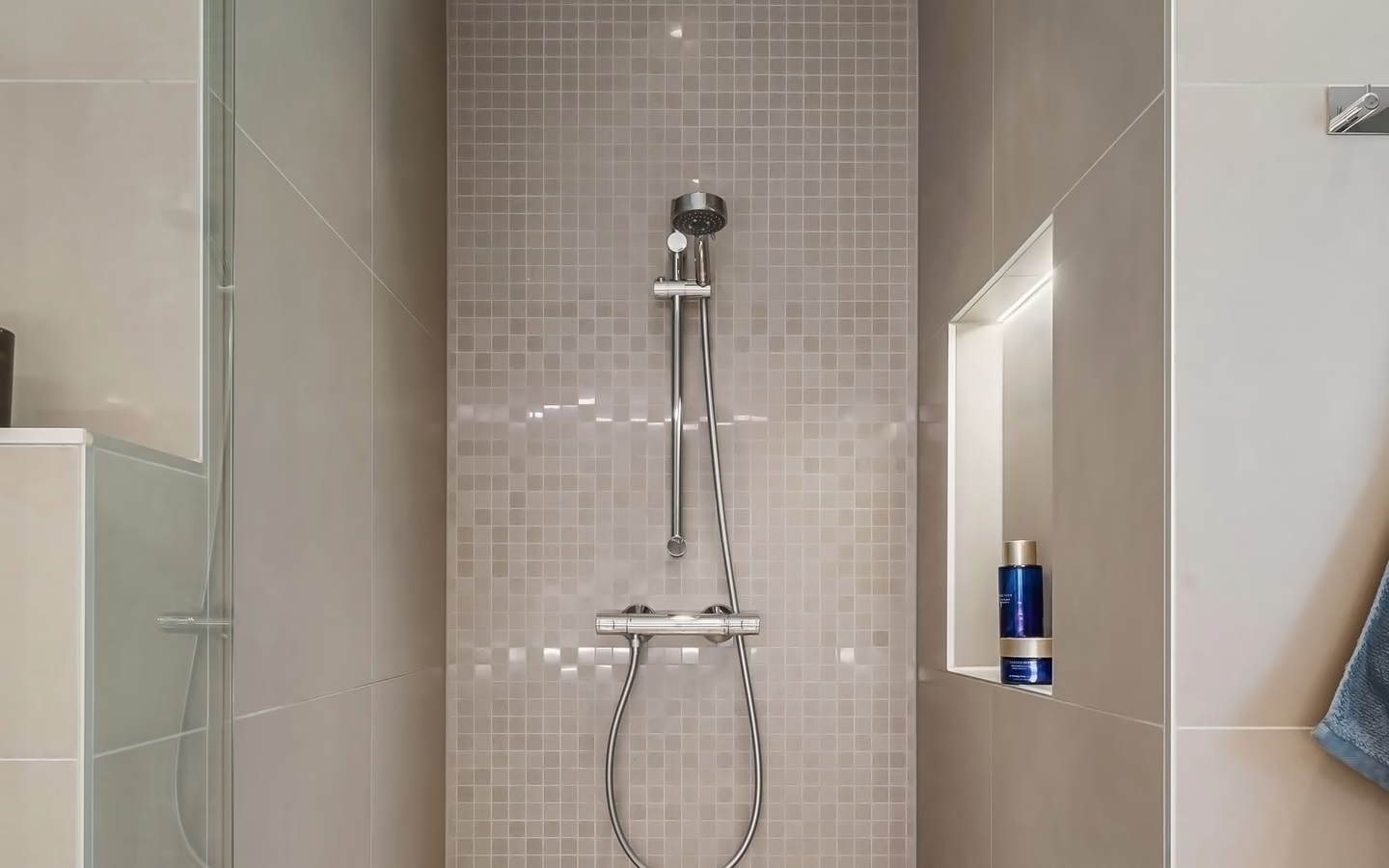
The wall system carries continuity: appropriate backing boards, a membrane approach, sheet, liquid, or foam board, from a recognized method, seams and corners treated per that method, and every penetration, valve, head, niche, bench, detailed rather than improvised. Mixed systems from different methods are where continuity quietly breaks; one named system, executed whole, is the professional standard.

The finish layer rewards planning: tile layout decided from a centerline with cuts pushed to quiet corners, niches aligned to grout lines because they were framed to align, slopes on every horizontal surface including sills and bench tops, and movement joints where the method calls for them. Testing closes the build: a flood test or method-appropriate verification before tile, and cure times respected after, both named in the schedule rather than assumed.
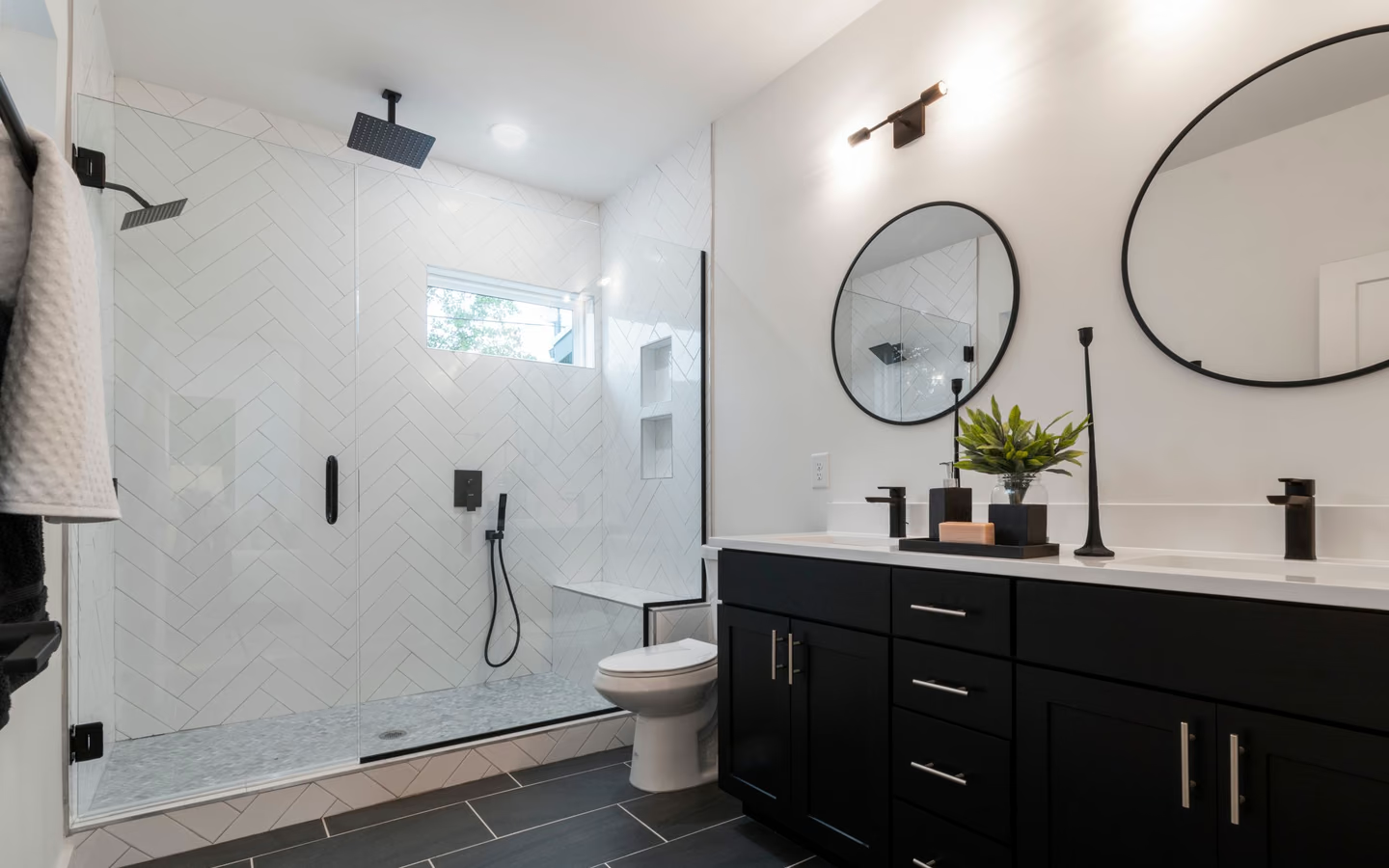

The assembly layers in build order

Each layer has a job and a checkable standard; the rows pair them.

Custom shower layers with their quality checks.
TopicIts jobThe check that proves it
Receptor and drainMove water drainward, even below tile level.Slope verified; drain integration per the named method.
Membrane systemContinuous waterproofing across every surface and seam.One named method throughout; flood or method test before tile.
BackingStable, flat substrate the method recognizes.Flatness checked against the tile format's tolerance.
Built-insNiches and benches inside the membrane, not after it.Framed positions matching the tile layout drawing.
Tile and jointsThe finish coat, laid to a plan with movement accommodated.Layout from centerlines; joints where the method requires.

Specification and verification list

A custom shower is specified in writing or it is improvised; these are the lines.

Specified

  • The waterproofing method named, top to bottom

  • Niche, bench, valve, and head positions dimensioned

  • Tile layout drawn with cut placement decided

Verified

  • Pre-tile test named in the contract with its date

  • Substrate flatness checked for the chosen format

  • Slopes present on every horizontal surface

Respected

  • Cure times in the schedule, not negotiated

  • Movement joints placed per the method

  • First-use date set by the assembly, not the calendar

Bring these questions to the conversation

  • Which recognized method is my shower built on?

    The single most clarifying question in shower construction. A named method makes every later detail checkable; a shrug makes everything opinion.

  • What happens at my drain, in detail?

    The assembly's most sensitive joint deserves its own answer: the integration, the weep provision or bonded equivalent, and who verifies it.

  • How will the tile layout handle my niches and corners?

    Aligned niches were framed for the layout; orphaned ones were framed for the stud. The answer tells you whether finish and structure are talking.

  • What test precedes tile, and will I see the result?

    Verification before concealment is the homeowner's one great moment of leverage. Put the test and its documentation in the contract.

Common questions

Frequently asked questions

Why do custom showers vary so much in price?

Scope hides in the layers: method choice, substrate correction, built-ins, glass fabrication, and tile format all move labor meaningfully. Two identical-looking showers can differ by half in the work underneath, which is why the method question comes first.

How long should a custom tile shower last?

Built on a recognized method with respected cure and maintenance, decades; the membrane is the lifespan and the grout is just weather. Failures trace overwhelmingly to skipped details in the concealed layers, not to the tile everyone was staring at.

Sources and methodology

Research & methodology

Sources

References supporting the planning guidance on this page.

  1. Bathroom Planning GuidelinesNational Kitchen & Bath Association
    Trade sourceAccessed
  2. Trade sourceAccessed
  3. Showers FAQTile Council of North America
    Trade sourceAccessed

Share your project. Call when ready.

Turn your research into a clear project request

Share your project, full service address, and contact details securely, then call when you are ready to discuss availability with an independent professional.