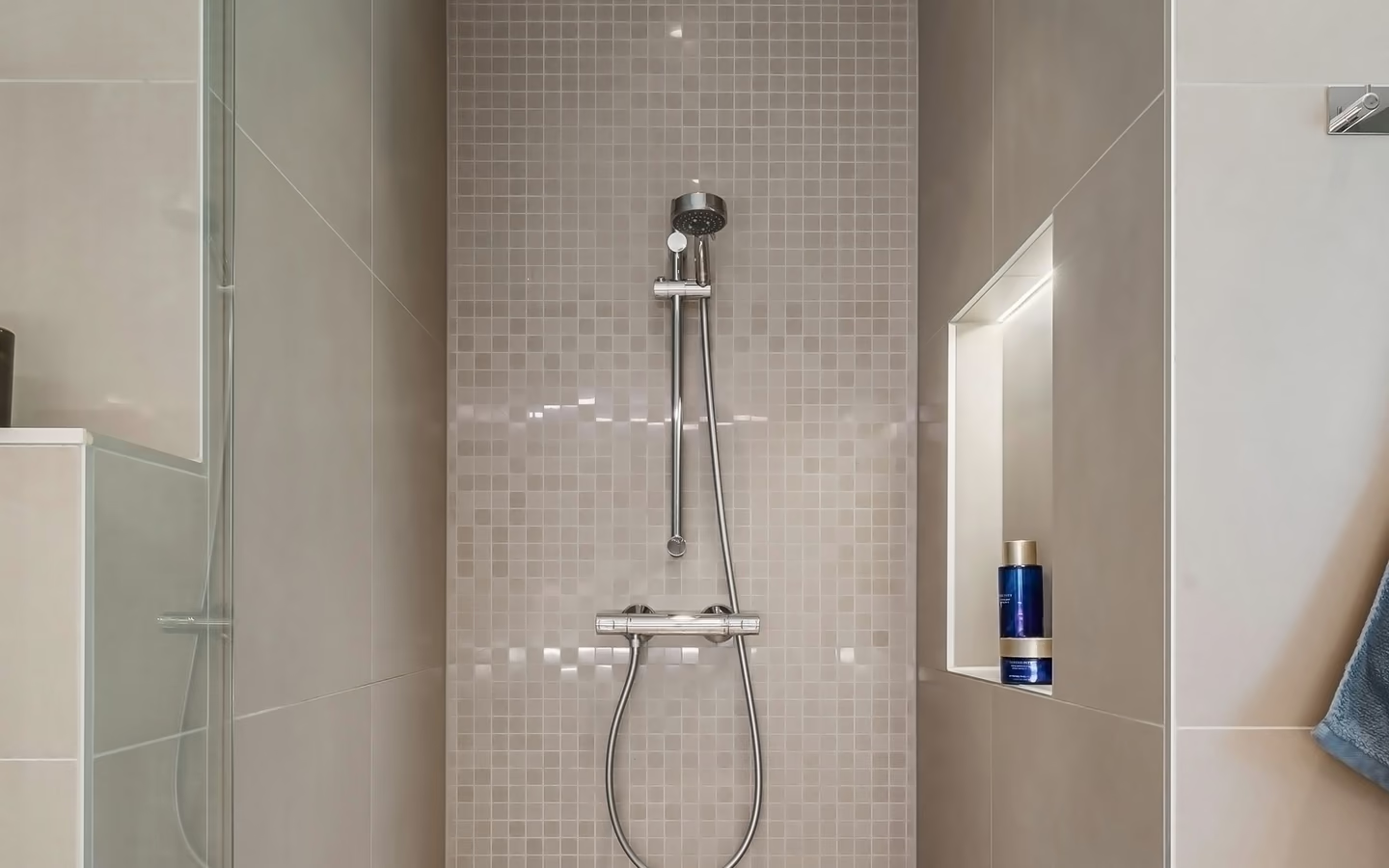
Showers and bathtubs comparison

Factory seams or field craft

Prefabricated shower systems and site-built tile showers are both legitimate ways to get wet; they distribute their risks differently. This comparison sets them side by side on fit, seams, design freedom, substrate preparation, maintenance, repairability, schedule, and cost posture, so the choice follows your room, patience, and priorities.

Finished shower enclosure with coordinated wall panels and fixtures
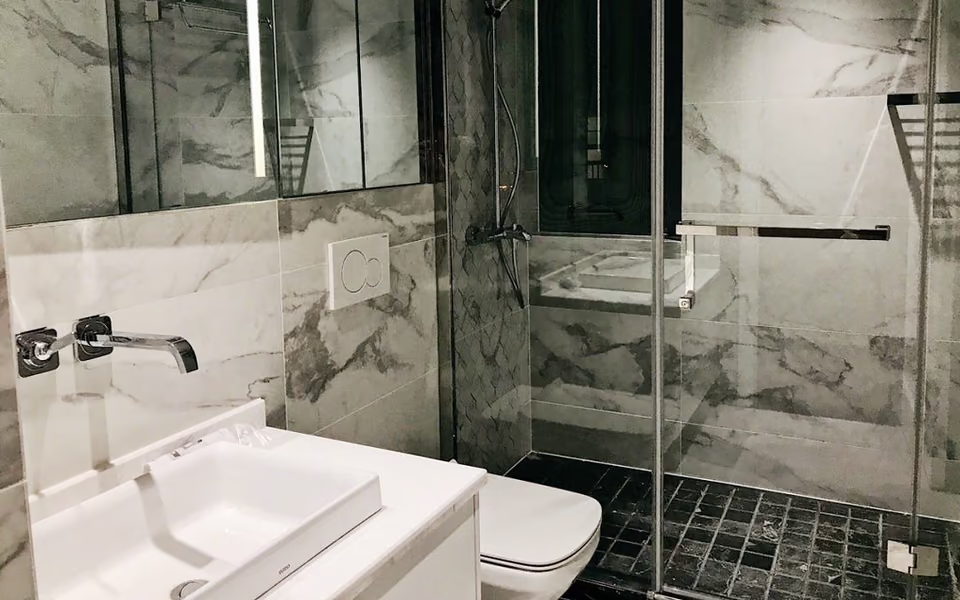
contemporary bathroom design, modern bathroom decorating idea

How to choose between the routes

Start from your room's geometry: prefabricated units come in catalog dimensions and reward openings that match them, while site-built showers are cut to the room. An alcove that fits a standard unit cleanly makes the prefab argument strong; an odd footprint, a sloped ceiling, or a design with built-ins pushes toward tile. Measure first, prefer honestly second.

Then choose which risk profile you prefer to manage: factory systems concentrate risk at their seams and connections, few joints, each critical, while tiled assemblies distribute risk across field workmanship, many details, each small. The first is only as good as its installation's sealing; the second only as good as its installer's discipline. Your confidence in the available installers is legitimately part of the answer.

Where the routes actually differ

Design freedom is the obvious divide: prefab chooses from finishes and sizes on a truck, while tile chooses from the market, any size, pattern, niche, bench, or slope the room can hold. Less obvious: prefab's smooth panels are also a maintenance choice, no grout field, few joints, fast cleaning, which some households value above any pattern.

Preparation and schedule diverge in the middle: units want plumb, sized openings and arrive watertight by design, going in fast once the opening cooperates; tiled showers build their waterproofing on site, layer by layer, with cure and test time in the calendar. The speed difference is real, and it is bought with dimensional constraint.

Age and repair diverge at the end: a tiled shower repairs locally, a cracked tile, a regrouted line, and its membrane, done right, outlives fashions; a prefab unit ages as a unit, gel coats dull, panels flex, and deep damage tends to mean replacement rather than repair. Neither curve is wrong; they are different shapes of ownership.
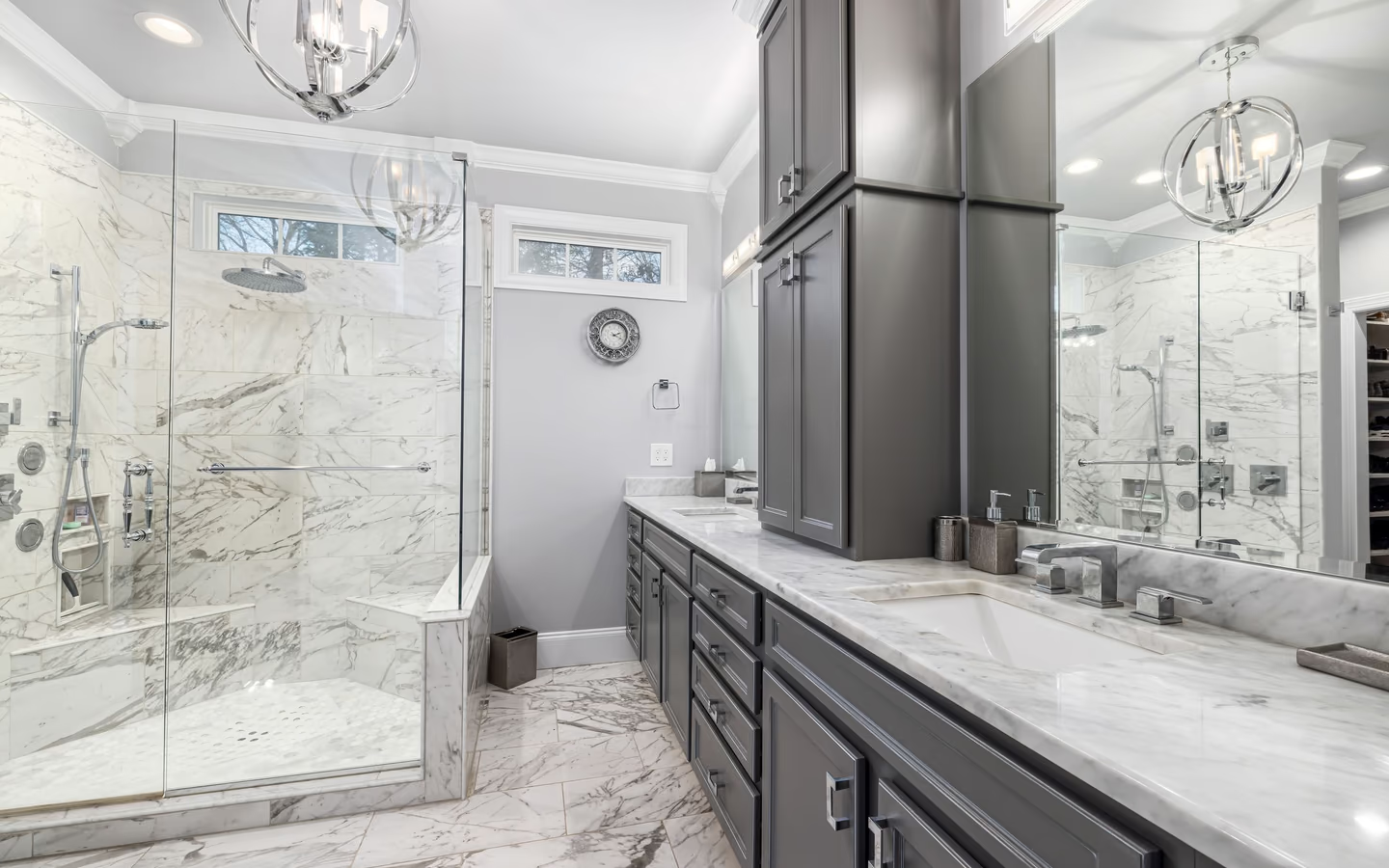
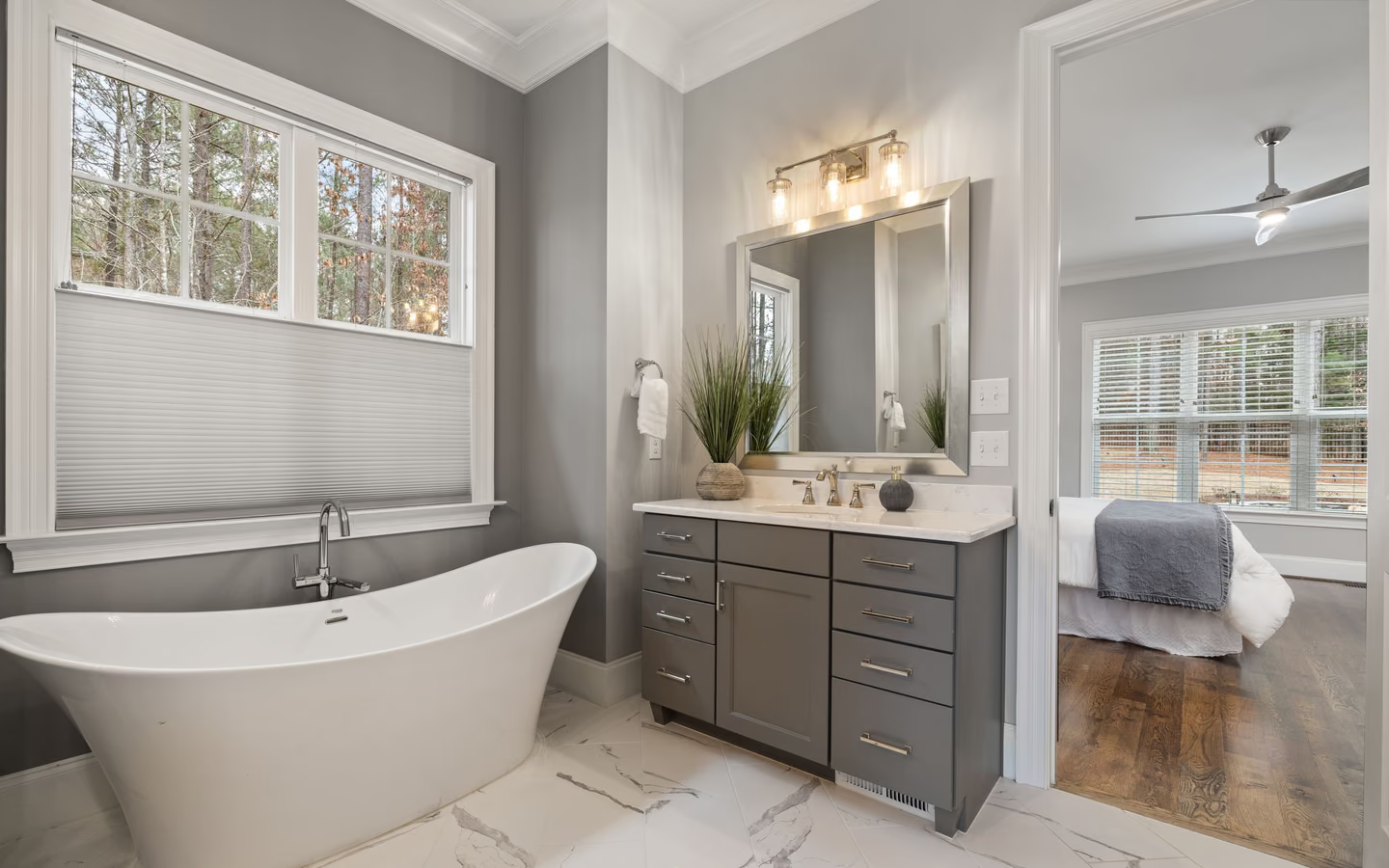
Elegant transitional bathroom with charcoal cabinetry, marble surfaces, and a glass shower
Elegant transitional bathroom with charcoal cabinetry, marble surfaces, and a glass shower.

The routes across the deciding axes

Read your priorities down the rows; most households find their answer by the fourth.

Prefabricated and site-built showers compared.
TopicPrefabricated systemSite-built tile
FitCatalog sizes; rewards openings that match.Cut to the room; odd geometry welcome.
Water riskConcentrated at few seams and connections.Distributed across field details and discipline.
Design rangeFinishes and sizes from the line.The open market, plus built-ins by design.
ScheduleFast once the opening is ready.Layered build with cure and test time.
Aging and repairAges as a unit; deep damage means replacement.Repairs locally; membrane sets the lifespan.

Decision checklist for the two routes

Whichever way you lean, confirm the lean survives these lines.

The room

  • Opening measured against catalog sizes honestly

  • Delivery path checked for one-piece units

  • Built-in wishes listed: niches, benches, second heads

The install

  • Prefab: who seals, and what the seam standard is

  • Tile: which recognized method, named in writing

  • Either: substrate and framing corrections priced

The ownership

  • Cleaning appetite matched to grout or panels

  • Repair story understood for the chosen route

  • Warranty terms read for what they actually cover

Bring these questions to the conversation

  • Does my opening genuinely fit a standard unit, or almost?

    Almost is the expensive word: shimmed, furred, and trimmed almost-fits spend the prefab's advantages. Ask for the measurement verdict before the brochure tour.

  • For prefab: how are seams and connections sealed, and by whom?

    The unit is watertight; the installation is the question. Named sealants, named standards, and a warranty that covers the joints are the real product.

  • For tile: which method, and what verification before tile?

    The site-built route's integrity lives in the named method and the pre-tile test. Both belong in the contract.

  • What does each route cost me in year ten?

    Grout care versus panel aging, local repair versus unit replacement. The decade view often decides more honestly than the install-week view.

Common questions

Frequently asked questions

Are prefabricated showers lower quality than tile?

No; they are a different engineering approach with different strengths: factory consistency, few joints, fast installation. Quality lives in the specific product line and the installation's sealing discipline, just as tile quality lives in method and workmanship.

Can I get a custom look from a prefab system?

Modern panel systems imitate stone and large-format looks credibly, and some lines offer trim and niche options. What they cannot do is arbitrary geometry and true built-ins; when the design wants the room's own shape, tile is the honest route.

Sources and methodology

Research & methodology

Sources

References supporting the planning guidance on this page.

  1. Bathroom Planning GuidelinesNational Kitchen & Bath Association
    Trade sourceAccessed
  2. Trade sourceAccessed

Share your project. Call when ready.

Turn your research into a clear project request

Share your project, full service address, and contact details securely, then call when you are ready to discuss availability with an independent professional.