
Resale and priorities
Should I keep at least one bathtub in the home?
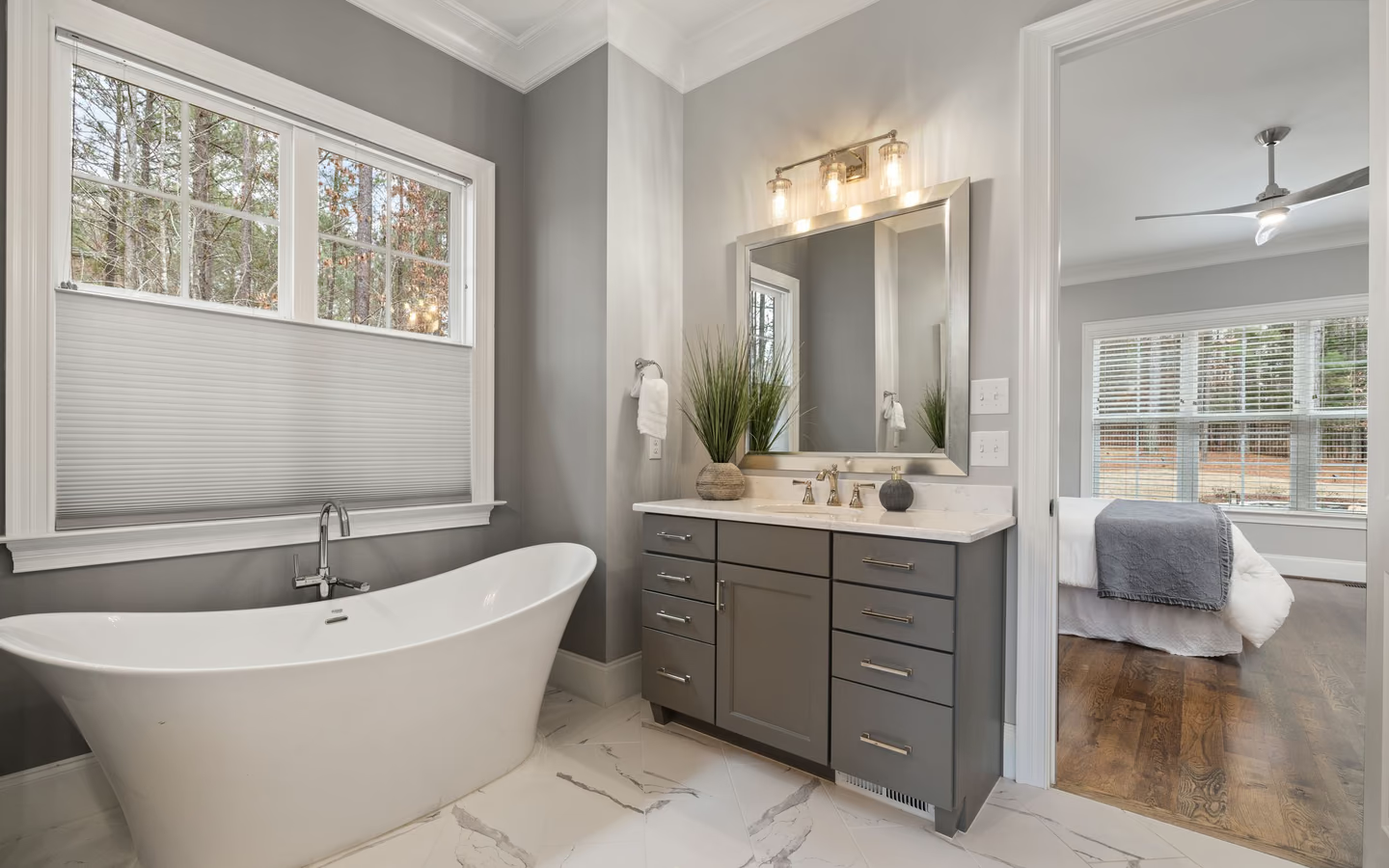
If any plausible buyer or household member bathes children, soaks, or expects the option, yes: keep one tub somewhere, and convert everywhere else freely. The rule is inventory-level, not room-level, and it preserves flexibility at the cost of one alcove while every other bathing zone modernizes however daily life wants.
The direct answer
The reasoning: tubs serve life stages more than routines, small children, soaking recovery, pet washing, and future buyers mid-family-formation, so the home's last tub carries option value beyond its fill count. Market behavior reflects it: family-band buyers filter for a tub in the house, while caring little which room hosts it. Planning guidance treats the tub-somewhere convention as standing advice for exactly this breadth.
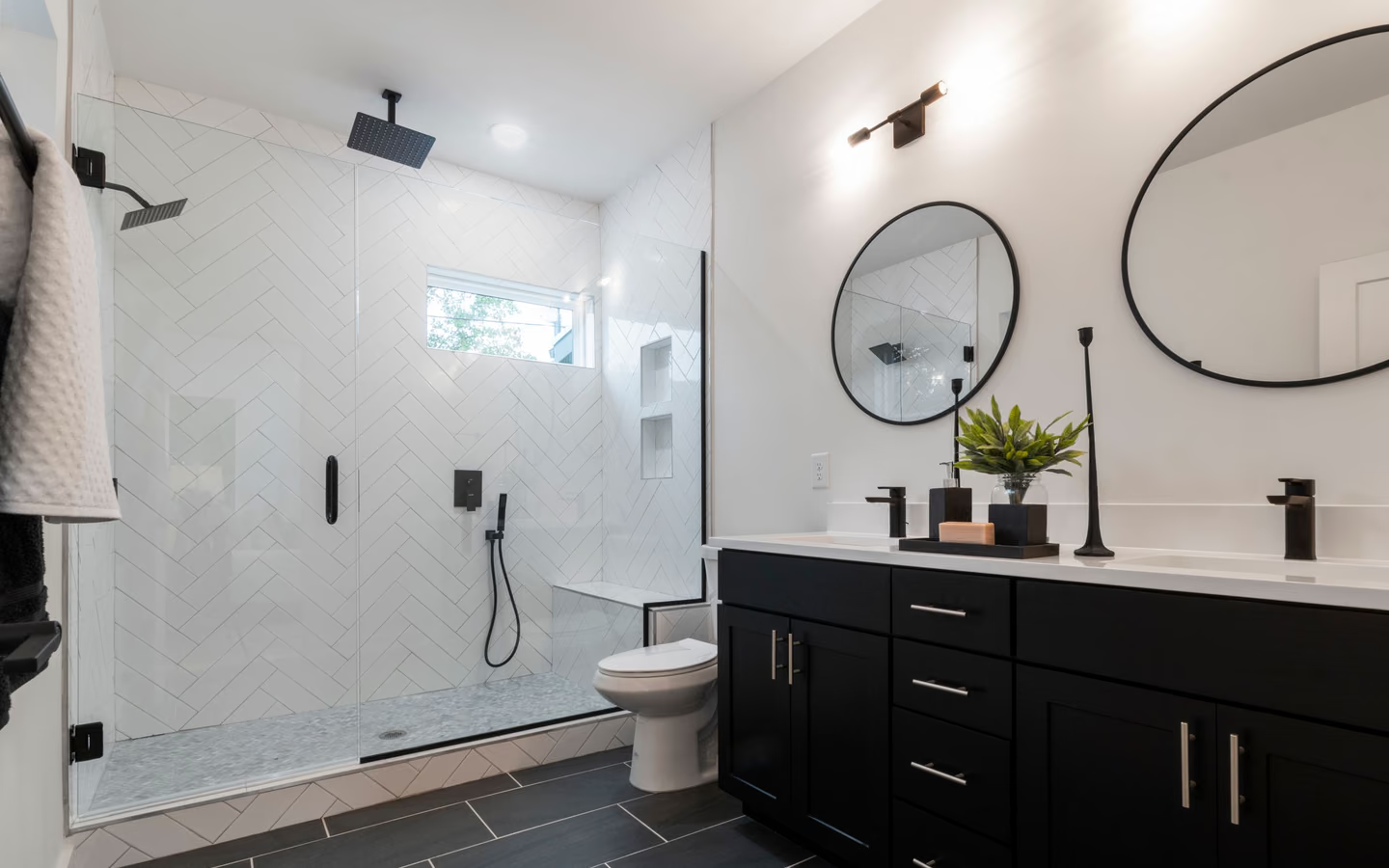
The liberating corollary: once one tub is preserved, every other zone converts guilt-free, and the preserved tub itself can be modest, a standard alcove in the hall bath serves the option perfectly while the primary bath takes the walk-in shower daily life actually wants.
What the rule costs and protects
Keeping one tub costs an alcove that might have been a larger shower and the maintenance of a fixture that may idle; it protects against the narrowed-buyer discount tubless homes meet in family markets and against the household's own life-stage surprises. The asymmetry usually favors keeping: the option is cheap, the regret is a renovation.
Conversion economics stay friendly under the rule: the tubs that leave are the ones daily life outgrew, and their zones return as the walk-in showers that market and mornings both reward.
The inventory decision by home and market
| Topic | The rule's advice | The reasoning |
|---|---|---|
| Family-band single-family home | Keep one, convert the rest freely. | Buyer filters and life stages both draw on the option. |
| Multi-bath home, showers dominant | Preserve the least-used tub as the designated one. | Option value at minimum daily cost. |
| Urban condo, shower market | Convert with market data in hand. | Some buyer pools never ask; verify locally before assuming. |
| Forever home, access-driven | Convert for the household that actually lives here. | Daily safety outranks a hypothetical buyer's checklist. |
Questions for the tub decision
- Which tub is our designated keeper, and why that one?
Naming it frees every other zone and usually picks the least-loved alcove for preservation.
- What do buyers in this band actually filter for?
A local agent's answer converts the national rule into your street's truth.
- If we break the rule, what does the record show?
A deliberate, documented conversion reads better at sale than an accidental tubless house.
Common questions
Frequently asked questions
Does the kept tub need to be fancy?
No: the option is the value, and a sound standard alcove with a properly membraned surround serves it fully. Spend the premium where daily life showers.
Is a freestanding tub better for resale than an alcove?
It photographs better and functions the same as an option; buyers filter for presence, not format. Choose format by room and budget, and let the listing photos enjoy whichever you picked.
Sources and methodology
Research & methodology
Sources
References supporting the planning guidance on this page.
- American Community Survey Data TablesU.S. Census Bureau
- Guide to the ADA Accessibility Standards: Bathing RoomsU.S. Access Board
- Bathroom Planning GuidelinesNational Kitchen & Bath Association
- NAHB Remodeling Market IndexNational Association of Home Builders
Share your project. Call when ready.
Turn your research into a clear project request
Share your project, full service address, and contact details securely, then call when you are ready to discuss availability with an independent professional.