
Showers and tubs
Walk-in shower or tub-shower combination?
The walk-in wins on entry, daily use, and design freedom; the combo wins on bathing flexibility per square foot and family-stage versatility. In a one-bathing-zone room, the combo is the cautious default; in a home with a tub elsewhere, the walk-in is usually the better daily machine. The decision is inventory and habit, not fashion.
The direct answer
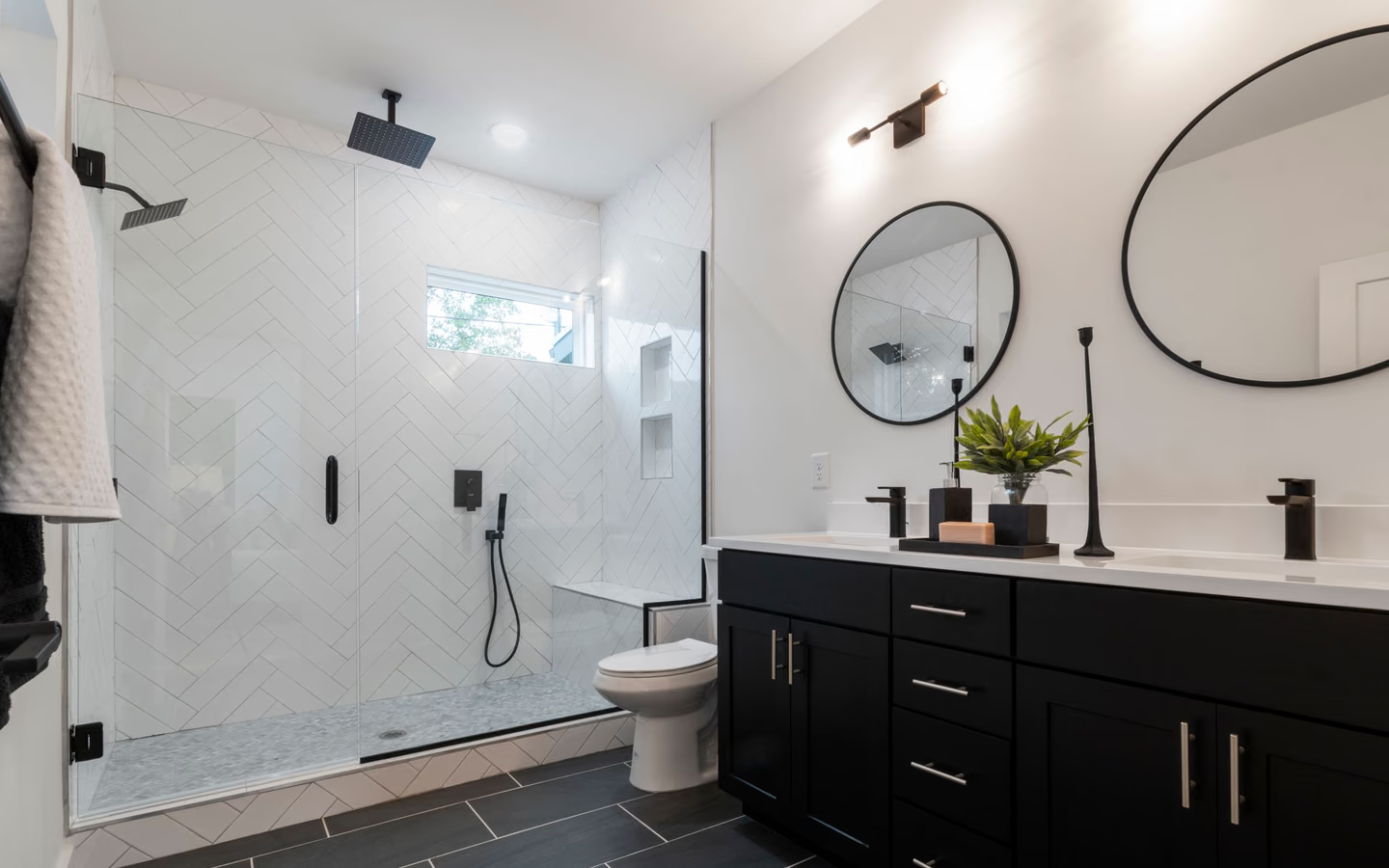
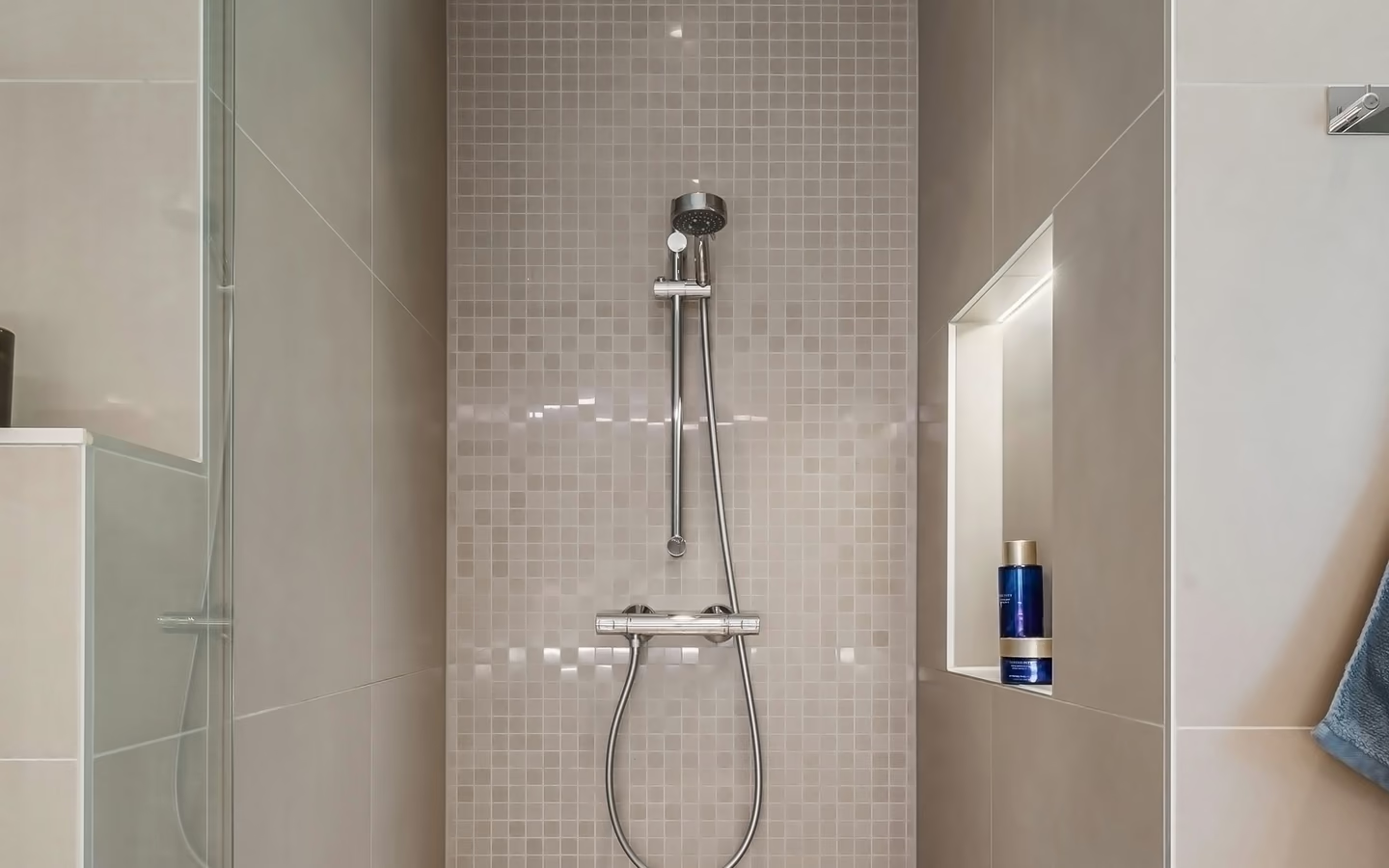
Choose the walk-in when showers are the household's real bathing, the home keeps a tub elsewhere, and entry ease matters to anyone now or within the decade: a low or level threshold, glass planned for containment, seating and niches where rough-in allows, and a zone designed for standing use outperforms any climb-over arrangement daily. Choose the combination when this zone must serve both bathing modes, young families, soakers, or a one-bathroom home, accepting the tub wall as the price of flexibility and building the surround to full membrane standards either way.
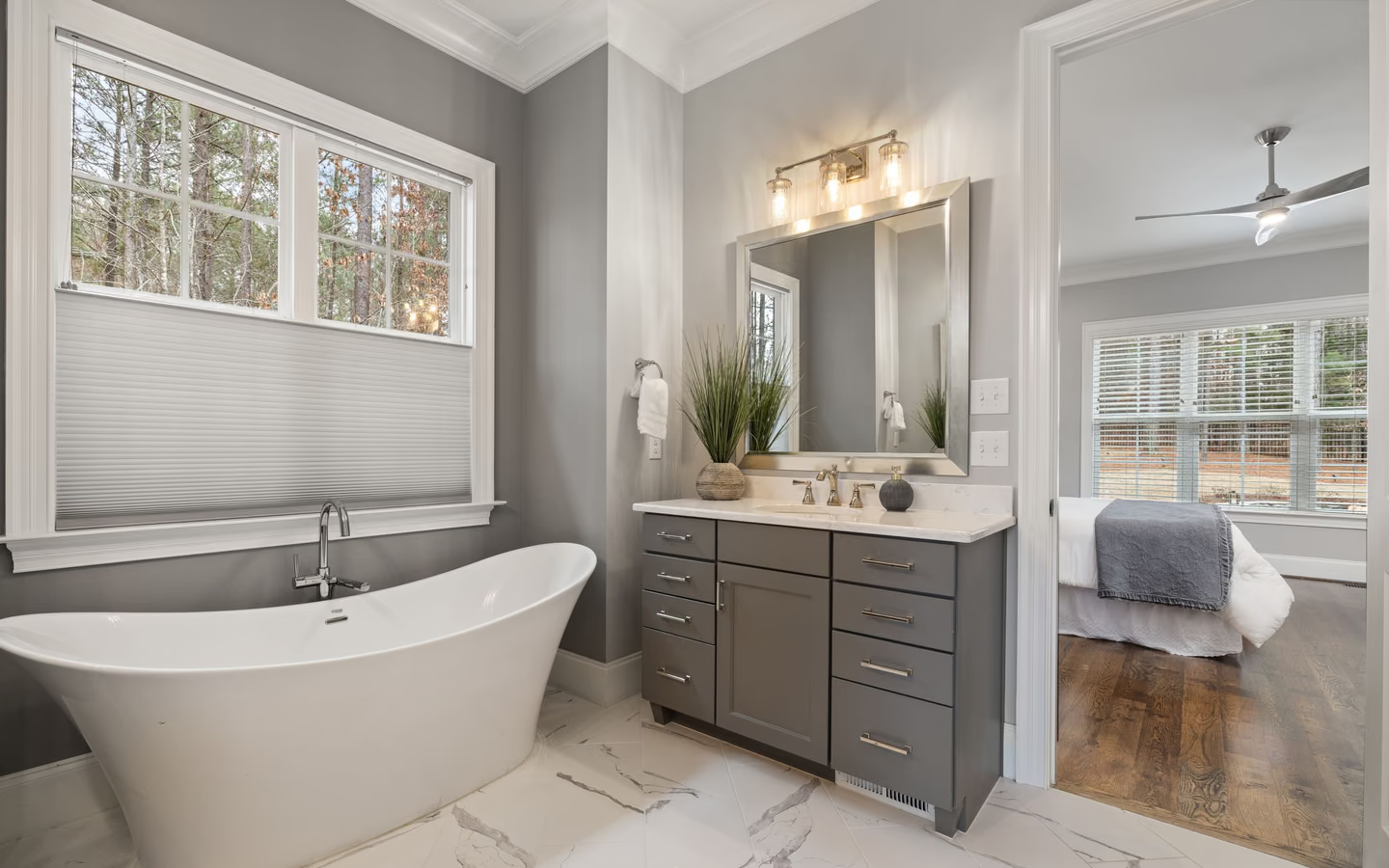
The compromise formats exist honestly: deep-soak compact tubs restore bathing in shower-first homes, and walk-ins with hand showers and benches cover most needs a tub once served, short of submersion.
Cost and value behavior of the choice
Built to equal quality, the formats price closer than assumed: both need full membrane assemblies, and the walk-in trades the tub vessel for glass and entry work. The budget difference lives in ambitions, level entries and frameless glass on one side, premium tubs on the other, more than in the format itself.
Value tracks the audience: family-stage markets read combos as insurance, while access-minded and shower-first buyers read walk-ins as upgrades. The home's other bathrooms set which reading applies to yours.
The two formats, compared where it counts
| Topic | Walk-in shower | Tub-shower combination |
|---|---|---|
| Entry and access | Low or level threshold serving every age; the access benchmark. | A wall climb at every use; the format's permanent toll. |
| Bathing breadth | Standing bathing perfected; submersion delegated elsewhere. | Both modes in one footprint; the flexibility champion. |
| Design and cleaning | Glass, niches, and open sightlines; the easiest daily wipe-down. | Curtain or sliding glass over a rim; more joints, more edges. |
Questions for the format decision
- What does each format cost at the same finish level?
Equal-quality quotes strip fashion from the decision and reveal the true delta, which is usually smaller than expected.
- How would the walk-in handle occasional bathing needs?
Bench, hand shower, and the house's other tub form the honest answer; a bidder who designs it is designing for your life.
- Can this room host the combo without clearance squeeze?
The tub's length against guideline minimums is a measurement, not an opinion; ask to see it.
Common questions
Frequently asked questions
Do buyers still expect a tub in every bathroom?
Buyers expect a tub in the home more than in each room; market behavior punishes tubless houses in family segments and rewards walk-ins where a tub survives elsewhere. Inventory, not per-room convention, drives the expectation.
Is a combo cheaper because the tub replaces glass?
Partially: vessels can cost less than enclosures, but full-height surround protection and rim details spend what glass saved. Format choice by budget alone usually disappoints; choose by use and let quality set the price.
Sources and methodology
Research & methodology
Sources
References supporting the planning guidance on this page.
- Guide to the ADA Accessibility Standards: Bathing RoomsU.S. Access Board
- Bathroom Planning GuidelinesNational Kitchen & Bath Association
- 2025 TCNA Handbook for Ceramic, Glass, and Stone Tile InstallationTile Council of North America
- NAHB Remodeling Market IndexNational Association of Home Builders
Share your project. Call when ready.
Turn your research into a clear project request
Share your project, full service address, and contact details securely, then call when you are ready to discuss availability with an independent professional.