Accessibility and long-term use guide

Light the tasks, calm the glare

Bathroom lighting serves faces at mirrors, feet at thresholds, and eyes that range from young to aging in the same household. This guide builds the system: even ambient fill, shadow-free face light, glare control, honest color quality, night-path lighting, reachable controls, and the wet-location ratings that keep fixtures where water lives.

How to design the layers

Design three layers deliberately: ambient light that fills the room evenly and kills cave corners; task light that arrives at faces from the front at the mirror, flanking positions at face height beat downlights that shadow eyes; and night light that guides the two-in-the-morning path without full waking, low, warm, and switched by sensor or always-on.

Then tune for the eyes that will use it: aging vision wants meaningfully more light, tighter glare control, and stronger contrast at edges and steps, and those wants are specifiable, more sources rather than one brighter glare bomb, shielded fixtures, finishes that do not mirror-flash. Dimming range serves the same room's multiple audiences better than any single level.

The specifications that matter

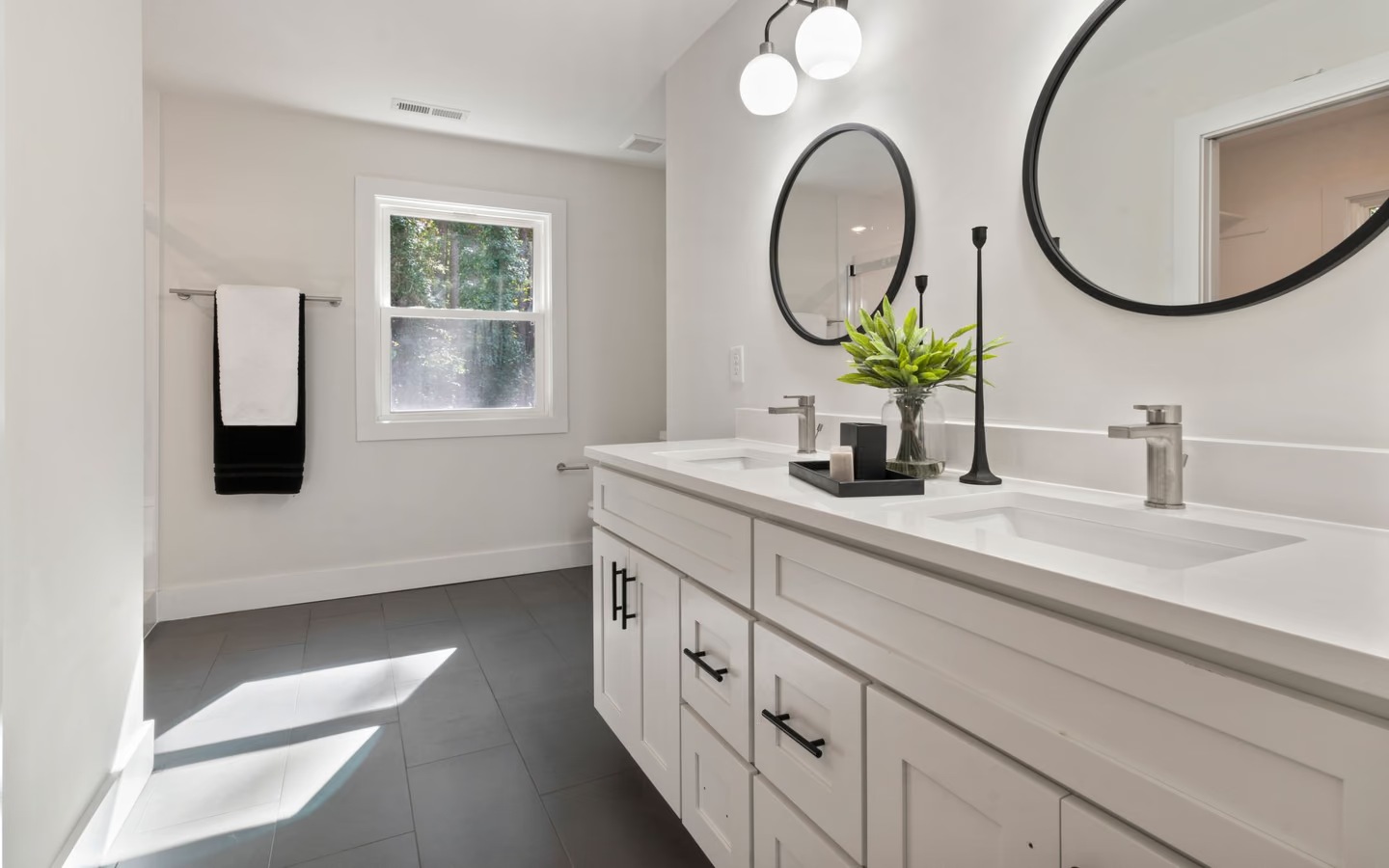
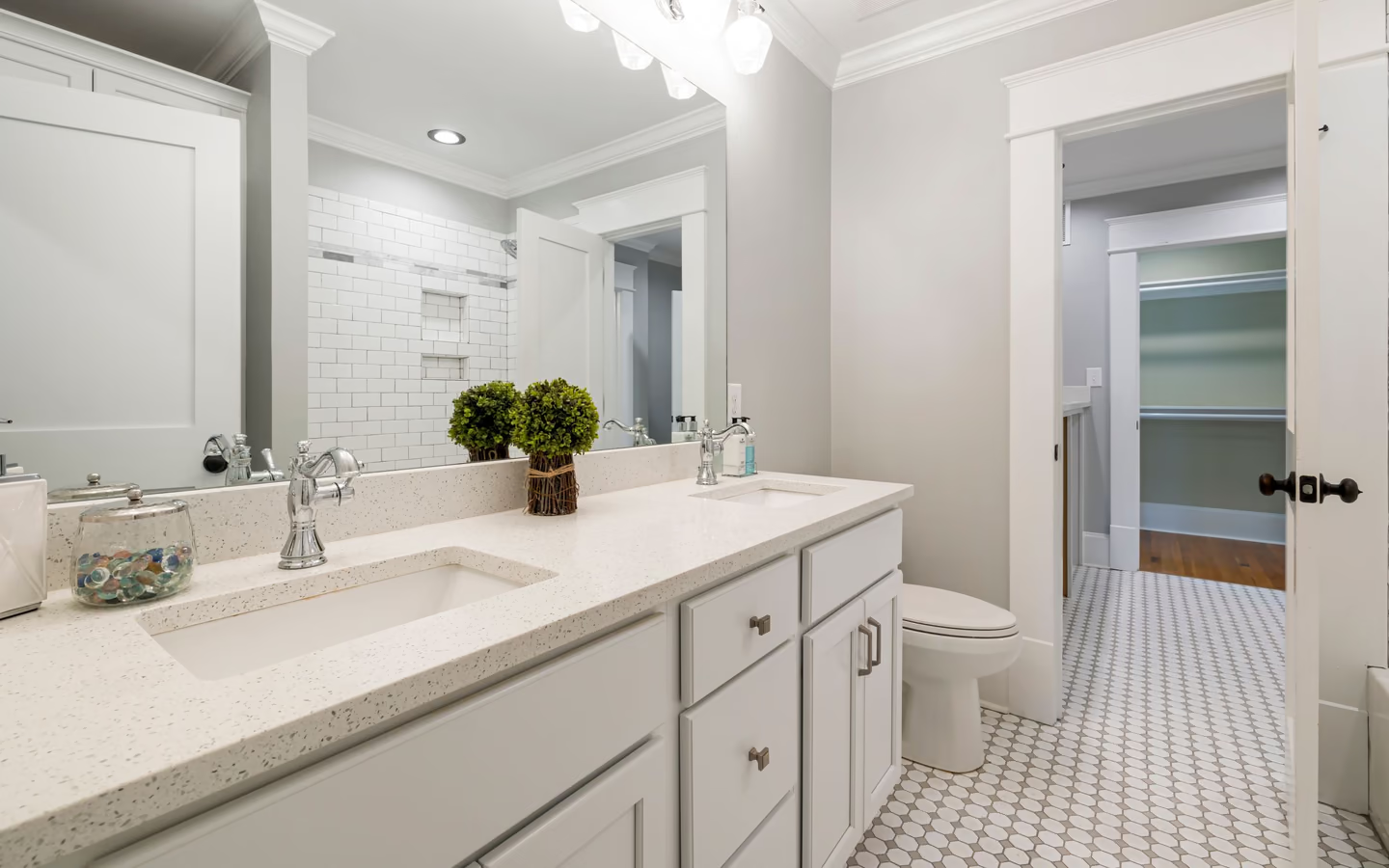
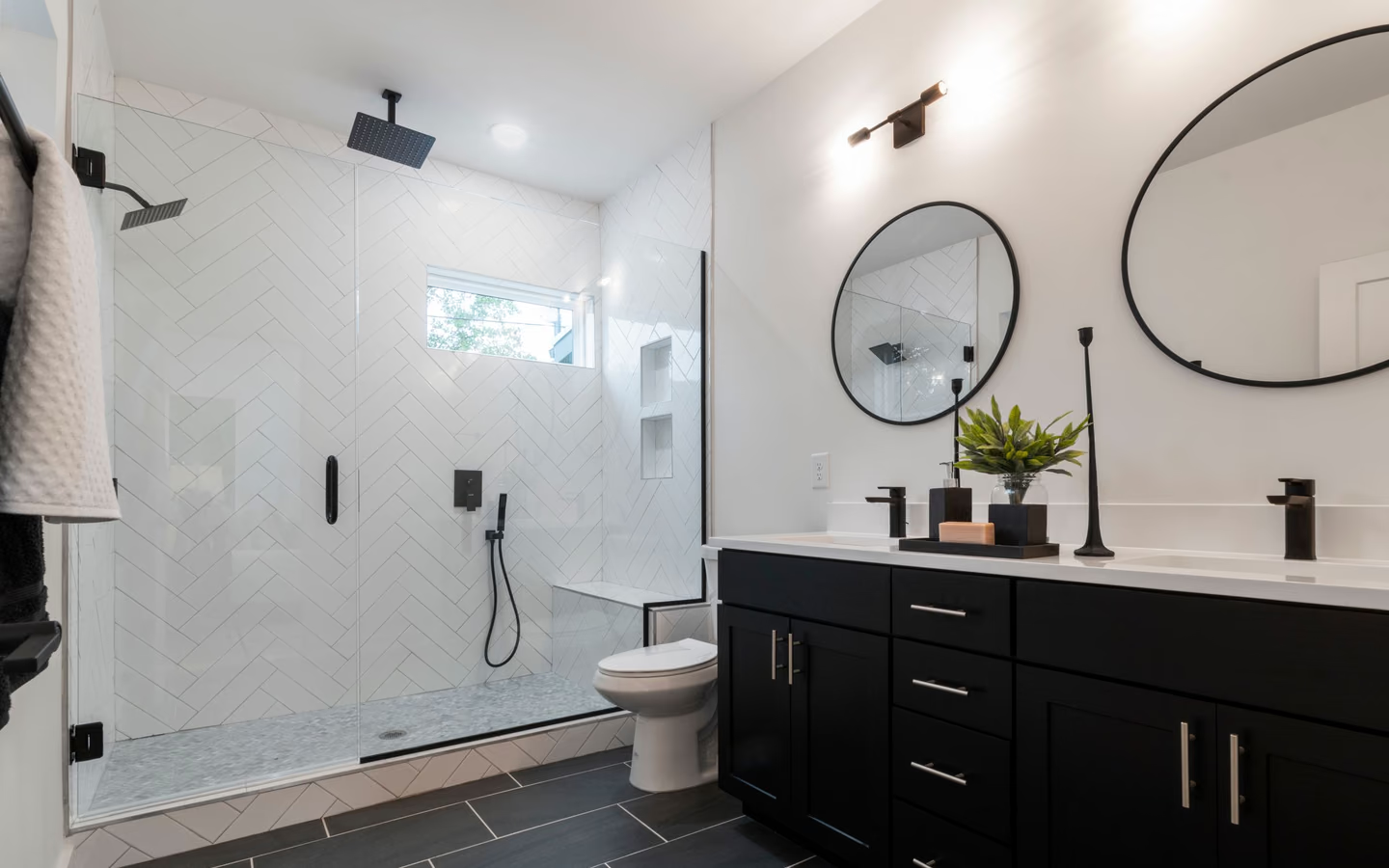
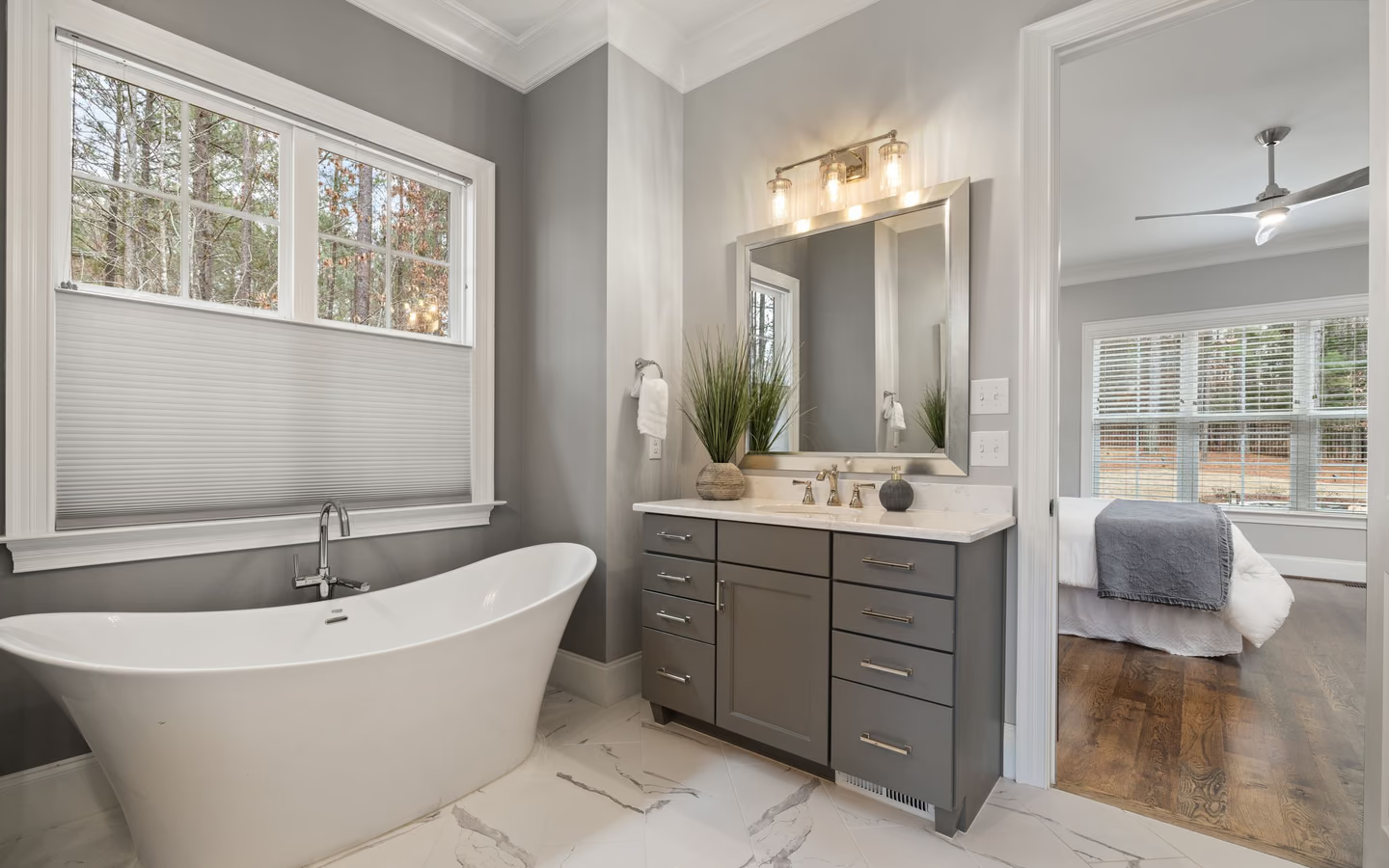
Face light is the room's headline task: grooming happens at the mirror, and light must reach faces from the front, sconces flanking the glass near face height, or vertical lighted elements doing the same job. Overhead-only lighting rakes shadows down brows and chins; the fix is geometry, not wattage, and it is drawn at rough wiring or improvised forever after.

Color quality and temperature are honest-mirror questions: high color-rendering sources keep skin tones truthful for grooming and health checks, and the chosen temperature should flatter consistently across every fixture rather than mixing warm and cool by accident. Whatever the temperature, buy it in quality, cheap sources with poor rendering make every palette and every face worse.

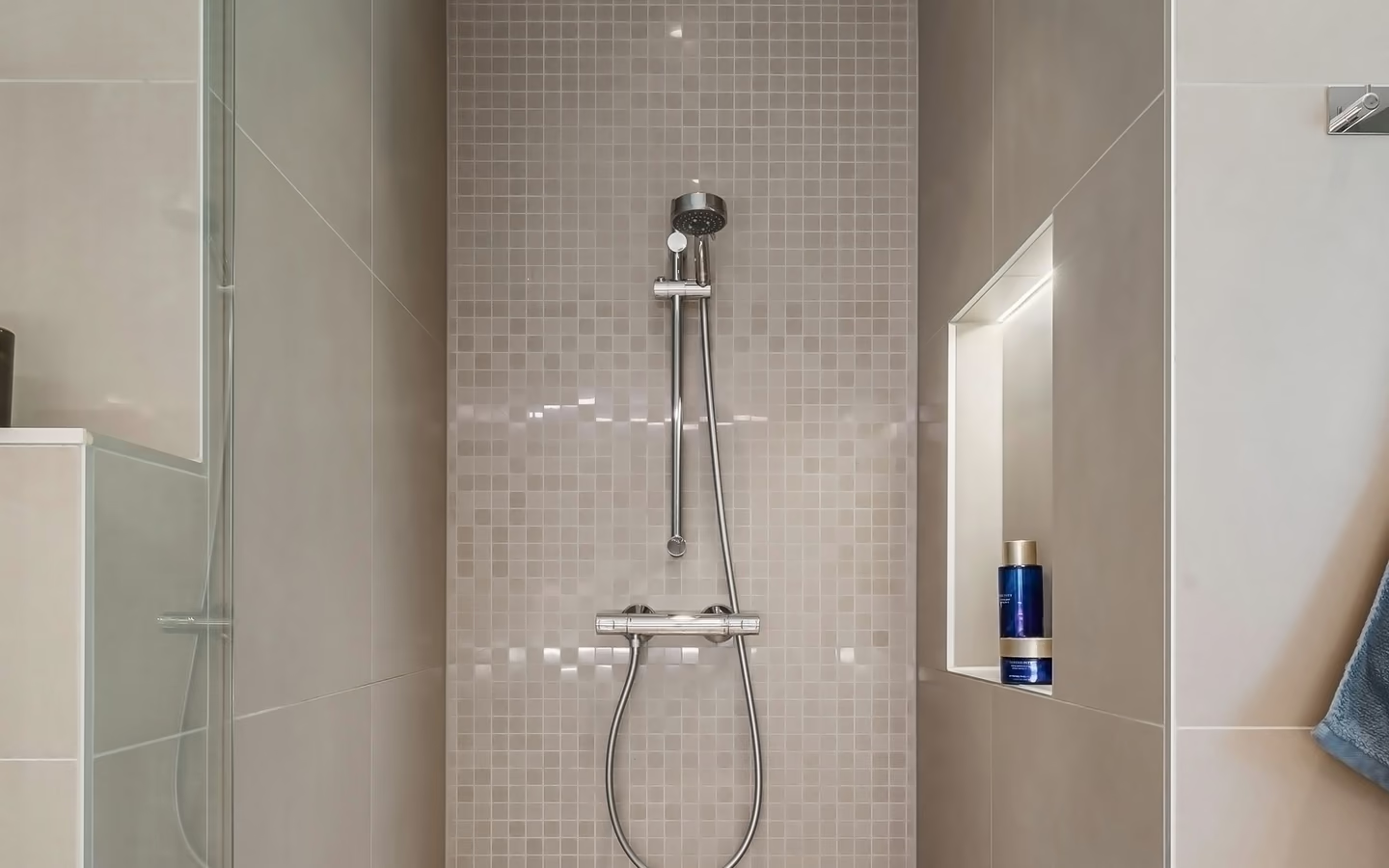
The safety layer completes the system: wet and damp location ratings matched to where each fixture lives, shower zones have rules for good reasons; controls reachable at the door and, in aging households, without crossing a dark room; and the night path, door to toilet, lit at a level that guides without waking. Ventilation-light combos and lighted mirrors join the system where they serve it, specified by the same layers rather than as gadgets.
Lighting layers and their specifications

Each layer has a job and a specification; the rows pair them.

Bathroom lighting layers with specification guidance.
TopicIts jobSpecify
Ambient fillEven room light without cave corners.Distributed sources; dimming range for the room's audiences.
Face task lightShadow-free grooming at the mirror.Front-arriving light at face height, both sides of the glass.
Night pathGuidance from door to toilet without waking.Low, warm, sensor or always-on, glare-free.
Color qualityTruthful skin and palette rendering.High-rendering sources at one consistent temperature.
Wet-zone fixturesLight where water lives, safely.Location ratings matched to shower and splash zones.

Lighting design checklist

The system is designed at rough wiring; these lines are the design.

The layers

  • Ambient, task, and night layers each planned

  • Face light drawn at the mirror, from the front

  • Dimming specified where audiences differ

The eyes

  • Light levels raised for aging users

  • Glare shielded at every seated and lying sightline

  • Contrast considered at thresholds and edges

The details

  • Ratings matched to wet and damp locations

  • Controls reachable at the door and the bed path

  • One temperature family across all sources

Bring these questions to the conversation

  • How does light reach faces at my mirror in this plan?

    The geometry answer, front-arriving at face height, is the difference between a lighting plan and a fixture list.

  • What changes in this design for older eyes?

    More light, less glare, night paths: the specifics tell you whether aging vision was designed for or hoped about.

  • Which fixtures near water carry which ratings?

    Location ratings are checkable specifications. The per-fixture answer should exist before anything is ordered.

  • How will the night path work without waking the house?

    Sensor logic, level, and warmth: the two-in-the-morning experience is designable, and worth designing.

Common questions

Frequently asked questions

How bright should a bathroom be?

Bright enough for grooming at the mirror and safe movement everywhere, which varies by eyes and finishes; the practical answer is layered sources with dimming range rather than one number. Aging households should lean noticeably brighter with glare control doing the comfort work.

Are lighted mirrors worth it?

Good ones deliver exactly the front-arriving face light the room needs, integrated cleanly; weak ones glow decoratively without lighting faces. Judge by rendering quality and light output at the face, and treat them as part of the task layer, not a substitute for design.

Sources and methodology

Research & methodology

Sources

References supporting the planning guidance on this page.

  1. Ventilation FansENERGY STAR
    Government sourceAccessed
  2. Bathroom Planning GuidelinesNational Kitchen & Bath Association
    Trade sourceAccessed

Share your project. Call when ready.

Turn your research into a clear project request

Share your project, full service address, and contact details securely, then call when you are ready to discuss availability with an independent professional.