The systems and their efficiency logic
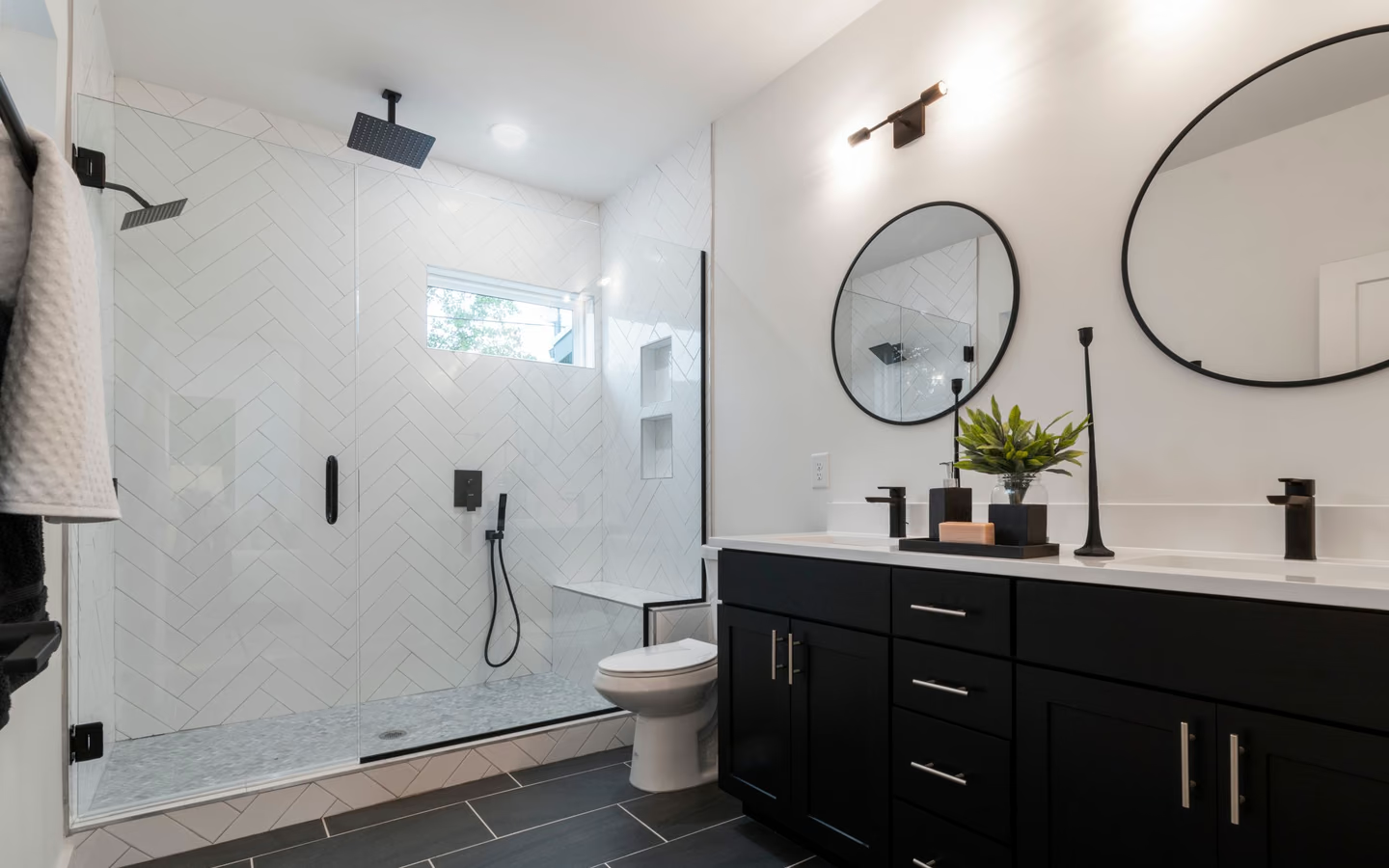
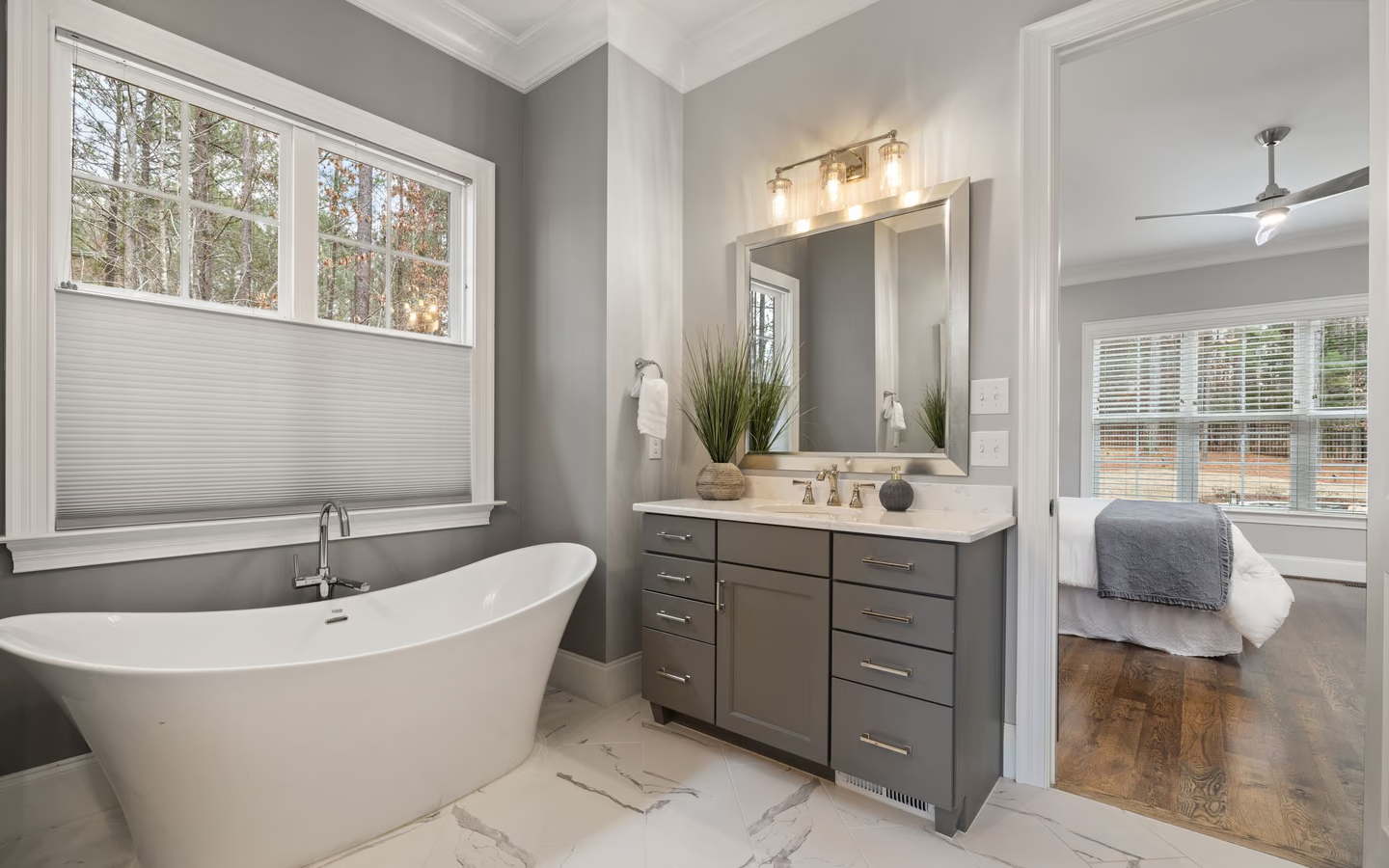
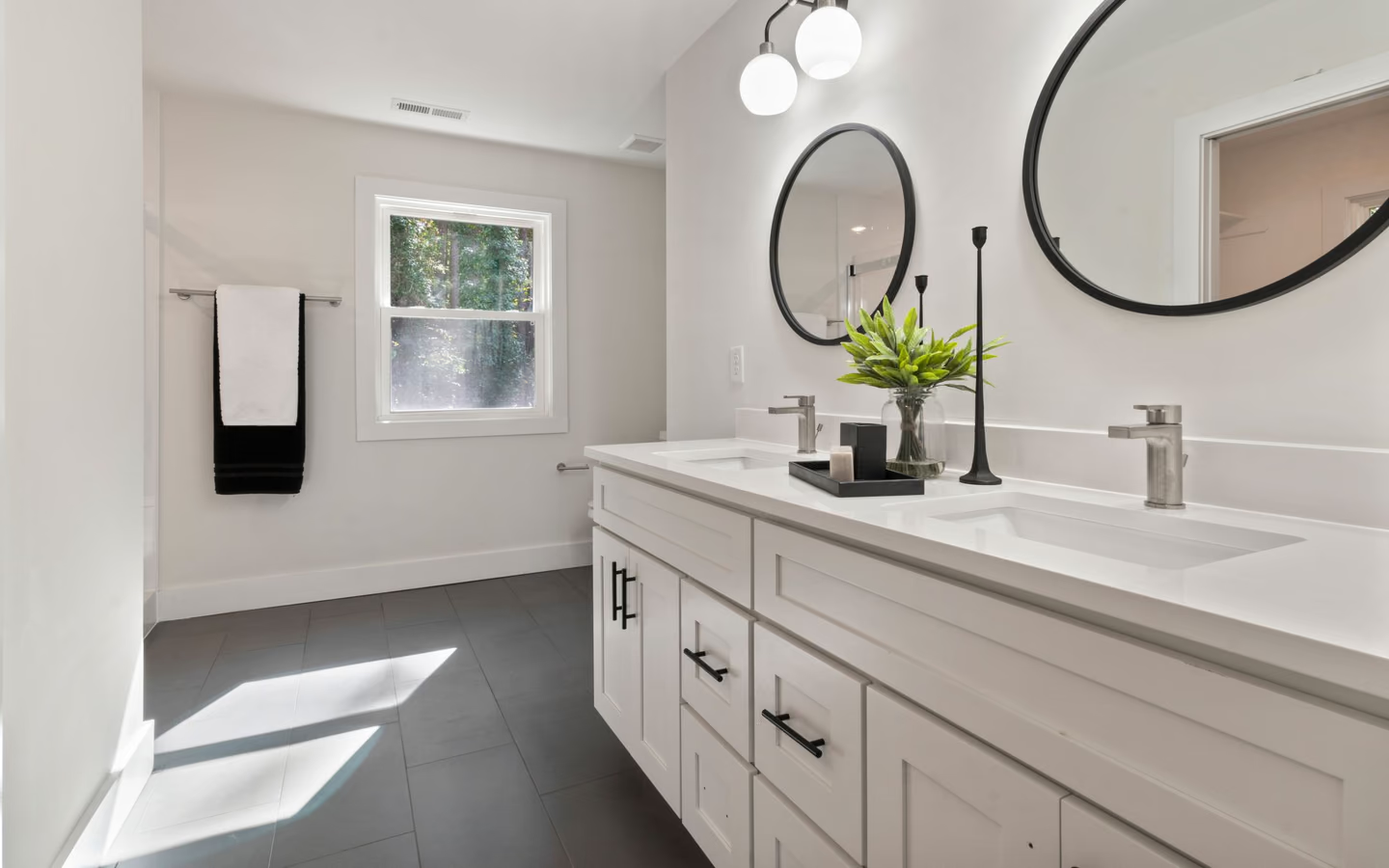
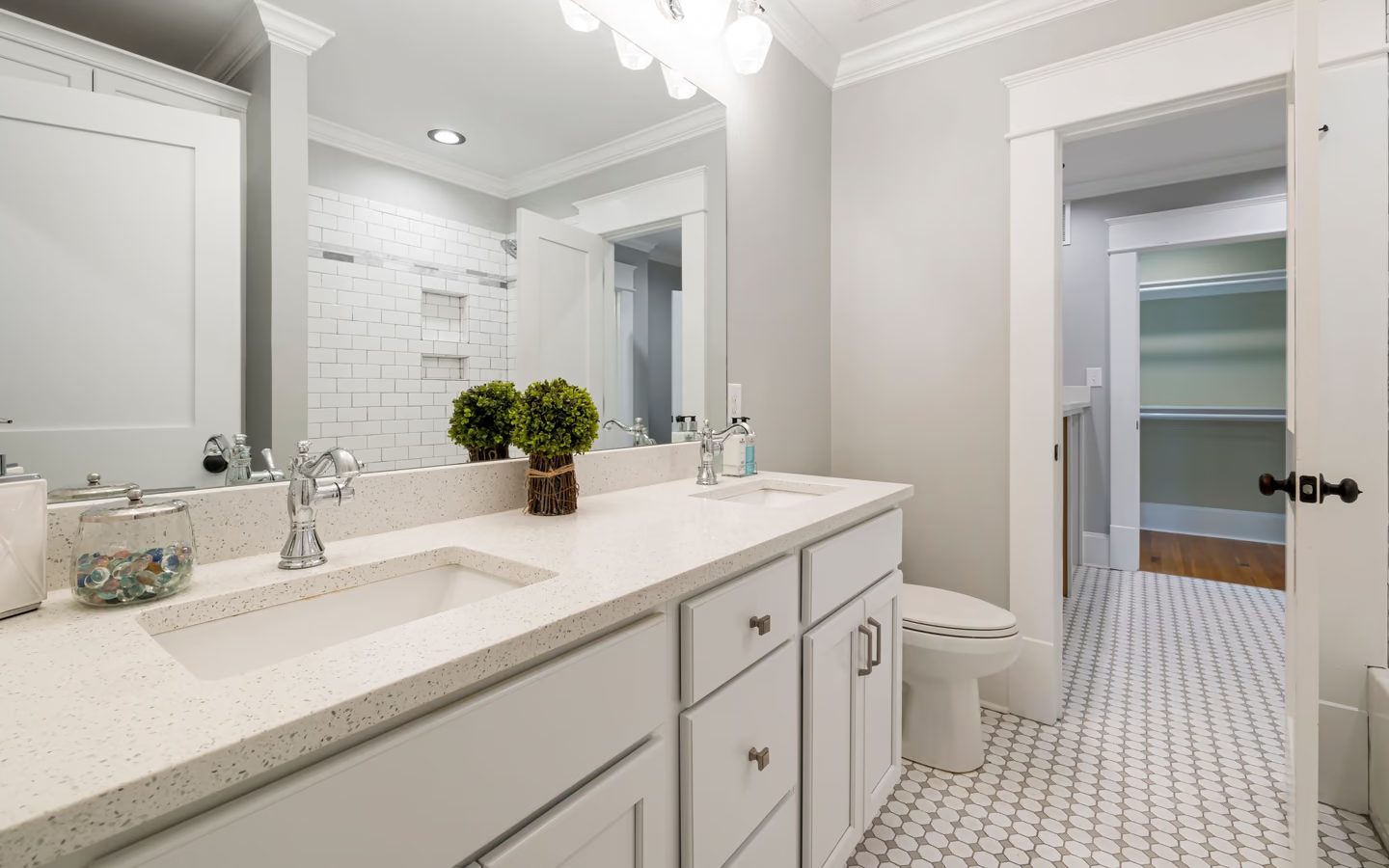
Lighting efficiency is now a controls conversation: sources are efficient by default, and waste concentrates in runtime, the vanity bar burning all evening, the ceiling lights on for a night visit. Layered circuits with sensible switching, occupancy or vacancy sensing where it suits the household, night lighting at trickle levels instead of full arrays, and dimmers matched to the LED sources cut the runtime bill while improving the room's actual experience.
Ventilation efficiency is a delivery conversation: the fan's job is moving moist air outdoors, and an efficient fan on a bad duct moves less air per watt than its label in the best case and recirculates moisture in the worst. Certified models with strong efficacy and low sound ratings, installed on short smooth runs with real terminations, deliver the rated performance; humidity-sensing and timer controls then align runtime with the actual moisture load, running long enough after showers and never all day.
Maintenance keeps the ratings true: dusty fan grilles and clogged dampers tax airflow year by year; LED fixtures mostly want occasional cleaning and the rare driver replacement, which access should permit. The combined result is a room that lights better, dries reliably, and bills less, efficiency as a byproduct of specifying well rather than a sacrifice imposed on the design.