Accessibility and long-term use guide

Seat and spray, planned as a pair

A shower seat without reachable spray is a bench in the rain's wrong spot; a handheld without seating assumes standing the whole wash. Planned together, from one user's bathing routine, seating position and height, spray reach, hose length, controls, support, storage, and caregiver access become one coherent system with room to adjust as needs change.

How to plan the pair

Choreograph the routine first: where the user sits or stands for each washing stage, which hand holds the spray, where the other hand finds support, and where soap and shampoo must sit to be reached without rising. The choreography produces the dimensions, seat height and depth, bar position, hose length, shelf locations, that catalogs cannot know.

Then specify for adjustment: a handheld on a vertical slide bar serves seated and standing users in one hardware set; hose length generous enough for seated use, caregiver assistance, and rinsing tasks; controls operable from the seat and from outside the spray; and mounting into reinforcement so today's positions can move when the routine does.

The components, specified from use

Seating splits by commitment: built and framed seats belong to renovations that know their user; wall-mounted folding seats serve real needs and disappear between uses, hanging their loads on reinforcement that must exist; and quality freestanding seats serve exploration and change, with rubber feet and honest weight ratings. Height comes from the user's transfer, not the tile pattern; depth and drainage from comfort and cleaning.

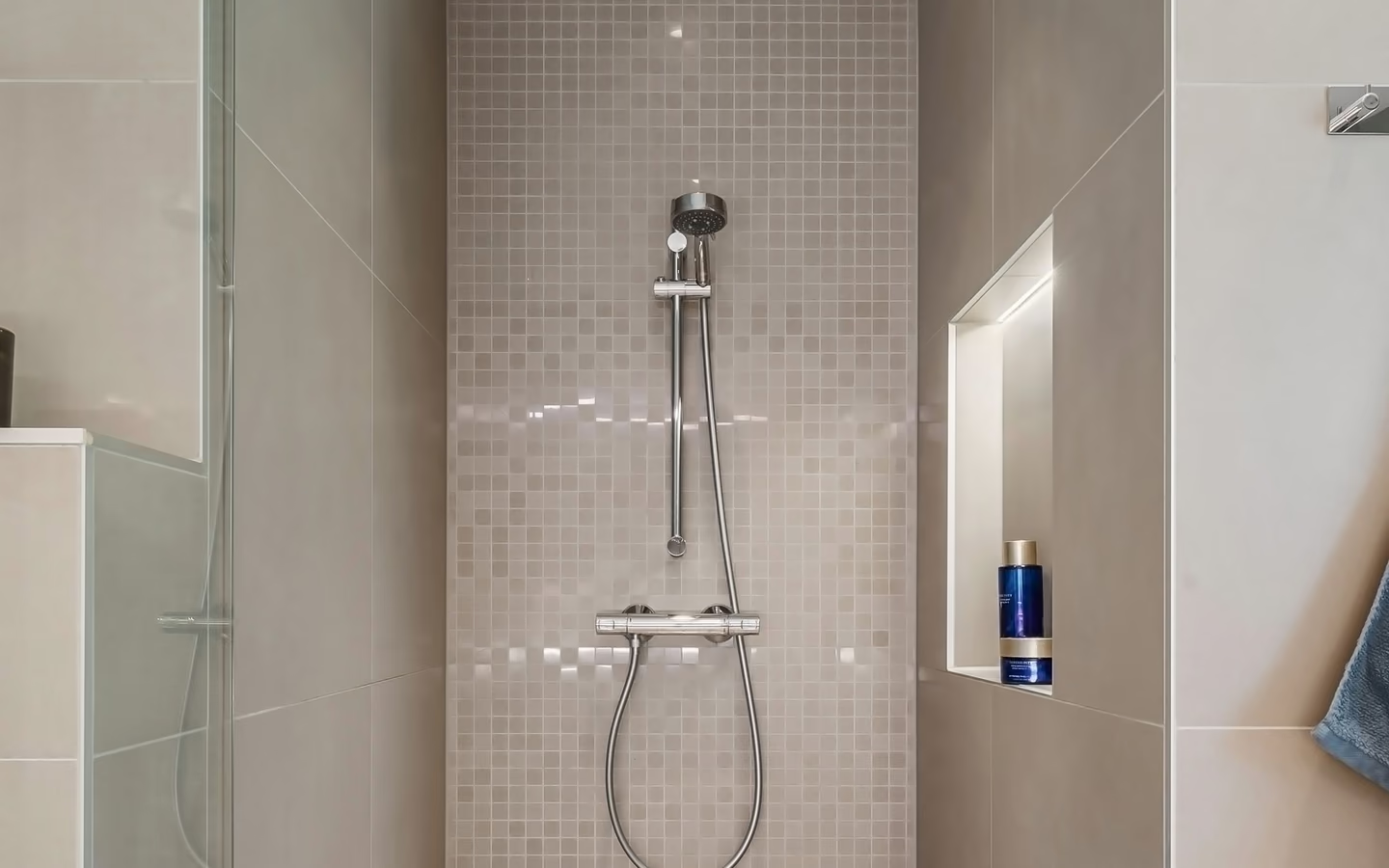
The handheld system is reach engineering: the slide bar's vertical range must cover the seated and standing spray heights of everyone who bathes; the hose must reach the seated user's whole body and the far corners without tension; and the head itself wants a one-hand grip, easy mode switching, and a pause feature that steadies flow for soaping. The docking position by the seat is the small detail that dignifies the whole routine.

Support, storage, and assistance complete the system: something solid to hold at sitting and rising, mounted to structure; soap and shampoo shelved within the seated reach envelope, not at standing eye level; and where a caregiver participates, standing room beside the seat, spray control from outside the stream, and a dry angle for the helper. Every component adjustable or movable keeps the system tracking its user through time.

Components and their specification sources

Each component takes its dimension from the routine; the rows organize the mapping.

Seat and handheld components specified from use.
TopicSpecified fromAdjustment to preserve
SeatTransfer height, sitting depth, drainage.Folding or movable formats where needs evolve.
Slide barSeated and standing spray heights of all users.Full vertical range, mounted to reinforcement.
HoseSeated reach to whole body plus helper tasks.Generous length; docking within seated reach.
ControlsOperation from seat and from dry ground.Lever or push formats for wet and weak grips.
StorageThe seated reach envelope, measured.Shelves that move; niches placed low on purpose.

Seat-and-spray verification list

Verify with the user seated; the standing perspective lies about reach.

The routine

  • Washing stages choreographed seated and standing

  • Support positions named for sitting and rising

  • Caregiver participation included where real

The hardware

  • Bar range covering all users' spray heights

  • Hose reaching the seated body without tension

  • Seat rated, positioned, and drained properly

The room

  • Reinforcement behind every mounted component

  • Storage within the seated reach envelope

  • Controls reachable before entering the spray

Bring these questions to the conversation

  • From the seat, can this user reach spray, controls, and soap?

    The seated audit is the system's test. Ask for it explicitly, performed at the planned heights, before tile makes changes expensive.

  • What is behind the walls where the bar and seat will mount?

    Slide bars and folding seats carry real loads. The reinforcement answer decides whether this is hardware or hope.

  • Which handheld head suits limited grip strength?

    Weight, grip shape, mode switching, and pause features vary widely. The recommendation should cite the user's hands, not the display wall.

  • How will this system adjust if the routine changes?

    Bars, movable seats, and re-mountable components keep the answer cheap. The adjustability inventory belongs in the plan.

Common questions

Frequently asked questions

Do handheld showers sacrifice the fixed-head experience?

Not in modern systems: slide-bar handhelds serve as fixed heads at any height, and dual systems keep both where budgets allow. The handheld adds capability, seated washing, rinsing, assistance, cleaning, without subtracting the standing shower anyone wanted.

Are suction-cup seats and bars acceptable?

Suction devices are temporary aids for the lightest steadying at best, and their failure mode is exactly when loads matter. Anything bearing real body weight belongs in rated hardware mounted to structure; the price difference is small and the difference in kind is total.

Sources and methodology

Research & methodology

Sources

References supporting the planning guidance on this page.

  1. Government sourceAccessed
  2. Bathroom Planning GuidelinesNational Kitchen & Bath Association
    Trade sourceAccessed

Share your project. Call when ready.

Turn your research into a clear project request

Share your project, full service address, and contact details securely, then call when you are ready to discuss availability with an independent professional.