Planning and budgeting guide

Price the wall before you open it

The expensive surprises in bathroom remodeling are rarely surprises to the trades; they are known risks that nobody priced. This risk map walks the concealed categories, moisture, substrates, structure, aged plumbing and wiring, hazardous materials, and access, so your contingency and authorization process match the uncertainty your room actually carries.

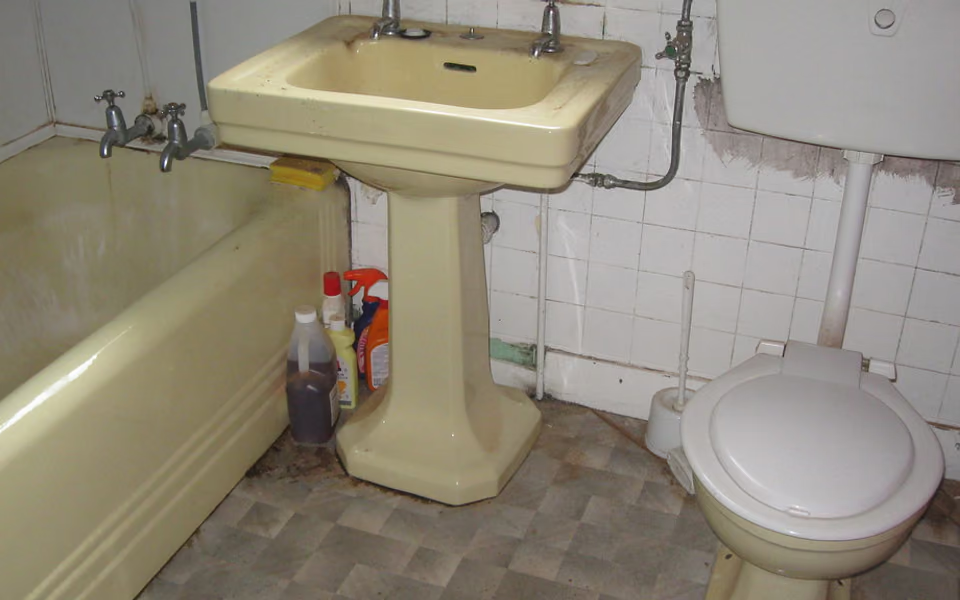
Dated bathroom before renovation with old fixtures and worn finishes
Bathroom renovations

How to use the risk map

Score your room against each risk category using evidence you can gather without opening anything: the home's age, visible staining or movement, the fixture history you know, and what neighbors with the same floor plan found. The goal is not diagnosis; it is a written list of which categories deserve money held in reserve and which are genuinely unlikely.

Then convert the list into process. Agree before demolition how discoveries will be handled: documented with photos, priced as written changes, and authorized by a named person before work continues. Discovery handled by process costs what it costs; discovery handled by improvisation costs that plus everything decided under pressure.

The concealed categories, worst first

Moisture damage leads the list because bathrooms concentrate water above materials that hide its effects. Long-running minor leaks announce themselves at demolition as compromised substrates and framing that must be corrected before any new assembly goes in. The correction is rarely optional and never improves by waiting, which is why it belongs at the top of your contingency math.

Aged systems come second. Supply lines, drains, and wiring from earlier eras may function today and still be the wrong thing to build a new bathroom on top of; some conditions, once exposed, also trigger correction obligations under current rules. The time to decide your replace-versus-retain posture is before the walls are open, with your professional's recommendation in writing.

Hazardous materials deserve their own line in older homes: certain vintages of finishes and insulation require testing and qualified handling before disturbance, and discovering them mid-swing stops a project completely. Access and logistics round out the map, tight stairs, long carries, and occupied-home protection all consume hours that thin estimates omit.
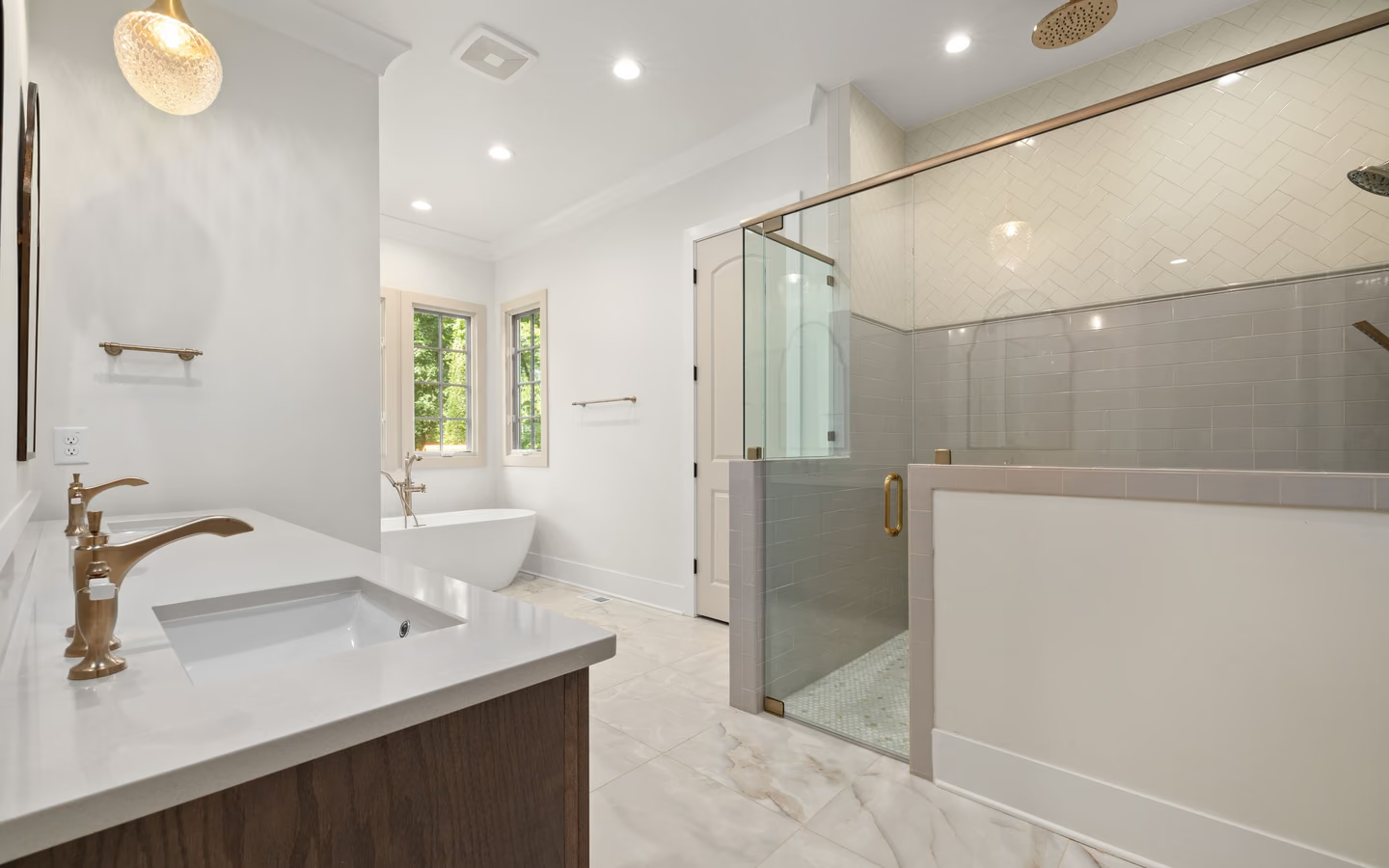
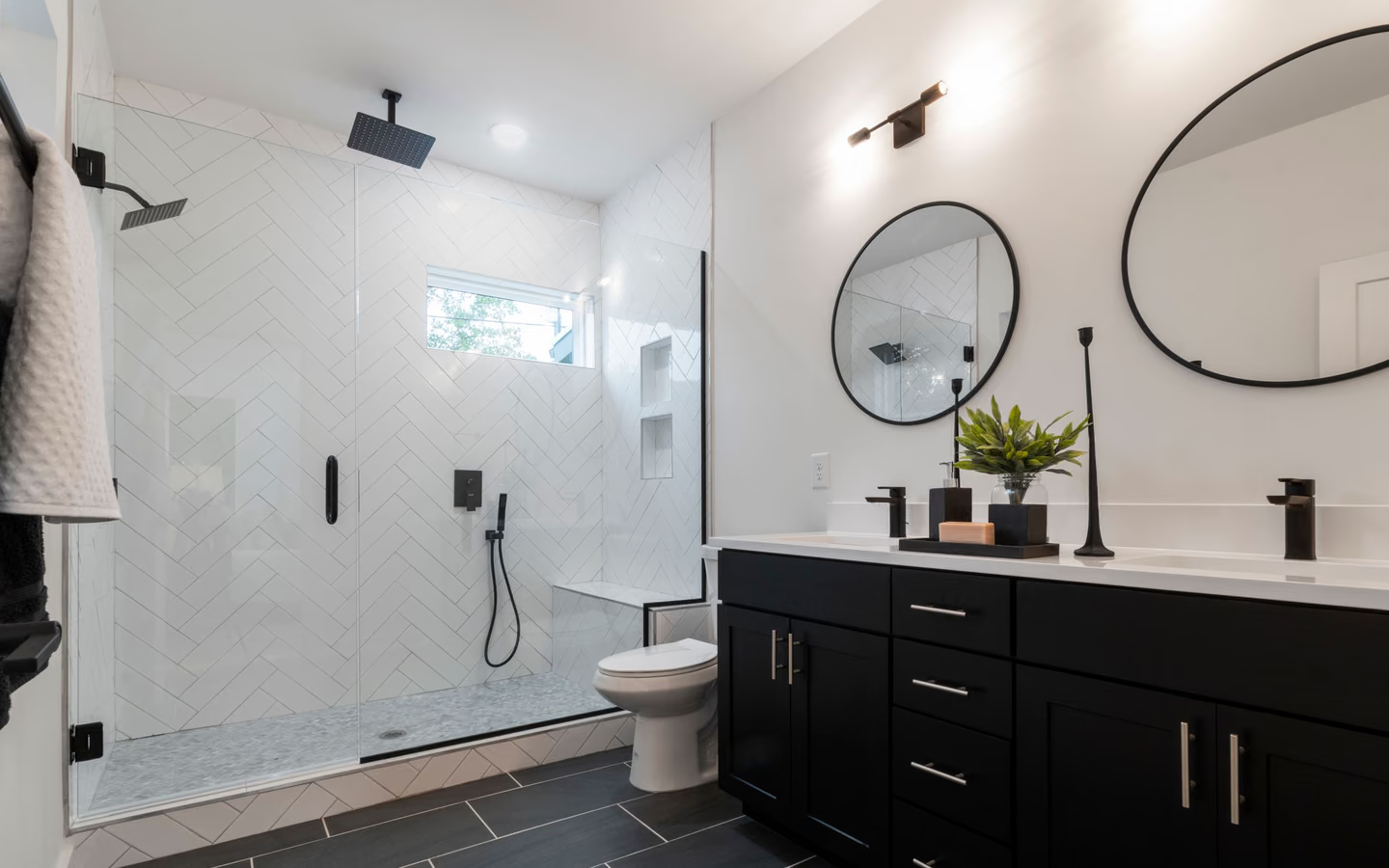
Bright modern bathroom with a glass shower, bathtub, warm wood vanity, and gold accents
Bright modern bathroom with a glass shower, bathtub, warm wood vanity, and gold accents.

Risk categories and the evidence that prices them

Each row pairs a concealed category with the pre-demolition evidence that shifts its probability.

Concealed cost categories with their observable warning signs.
TopicWhat raises the riskWhat to do before demolition
Concealed moistureStaining, soft spots, failed caulk history, or a room over a past leak.Fund it first in the contingency and agree the discovery process in writing.
Substrate and structureBouncy floors, cracked tile lines, or fixtures that have loosened over time.Ask the professional what correction would involve if opening reveals it.
Aged plumbing and wiringOriginal systems in an older home, or a history of partial repairs.Decide the replace-versus-retain posture before walls open, not during.
Hazardous materialsConstruction eras associated with regulated finishes and insulation.Raise testing questions before any disturbance and document the answers.
Access and protectionTight routes, long carries, finished spaces along the path.Walk the route with the estimator and put protection in the scope.

The pre-demolition risk review

Complete this review with your professional before the first hammer swing.

Gather

  • Home age and any renovation history you can document

  • Photos of every existing stain, crack, and soft spot

  • What identical floor plans nearby uncovered, if known

Agree

  • The written discovery process: document, price, authorize, proceed

  • Who can authorize contingency spending and up to what amount

  • Which discoveries pause work versus proceed with notice

Reserve

  • A contingency sized to your room's evidence, not a generic rule

  • Lead time tolerance if corrections extend the schedule

  • A decision-maker reachable during demolition days

Bring these questions to the conversation

  • What do you most often find behind rooms like mine?

    Local, era-specific experience is exactly what you are hiring. A specific answer calibrates your contingency better than any published average.

  • How will you document and price a discovery?

    You are listening for a process: photos, a written change with price and schedule effect, and your authorization before proceeding. Improvised answers predict improvised charges.

  • Which discoveries would stop work entirely?

    Some conditions require testing or qualified trades before anyone continues. Knowing the stop conditions in advance turns a crisis into a planned branch.

  • What would you replace while the walls are open regardless?

    Open walls make some upgrades cheap that will never be cheap again. A good professional separates opportunistic value from padding, and says which is which.

Common questions

Frequently asked questions

Is a bigger contingency always safer?

A contingency should match evidence: oversizing it parks money you could allocate, undersizing it converts discoveries into debt or corner-cutting. Size it from your room's age and signals, then protect it with a written release process.

Can inspections before demolition eliminate the risk?

They shrink it. Moisture meters, camera inspections, and a careful crawl of accessible spaces convert some unknowns into knowns, but walls keep secrets until they open. The process for handling discovery matters as much as the prediction.

Sources and methodology

Research & methodology

Sources

References supporting the planning guidance on this page.

  1. Bathroom Planning GuidelinesNational Kitchen & Bath Association
    Trade sourceAccessed
  2. About MoldCenters for Disease Control and Prevention
    Government sourceAccessed
  3. Steps to Lead Safe Renovation, Repair and PaintingU.S. Environmental Protection Agency
    Government sourceAccessed
  4. Government sourceAccessed

Share your project. Call when ready.

Turn your research into a clear project request

Share your project, full service address, and contact details securely, then call when you are ready to discuss availability with an independent professional.