The workflow's critical moments
Source identification is the fork in the road: a historic leak long since fixed calls for repair of damage; an active source, a weeping connection, a failed seal, a slow supply drip, must be found and killed first, or the new assembly inherits the old disease. The distinction is checkable, moisture readings, dye tests, meter observation, and worth an hour of diligence before any correction money moves.
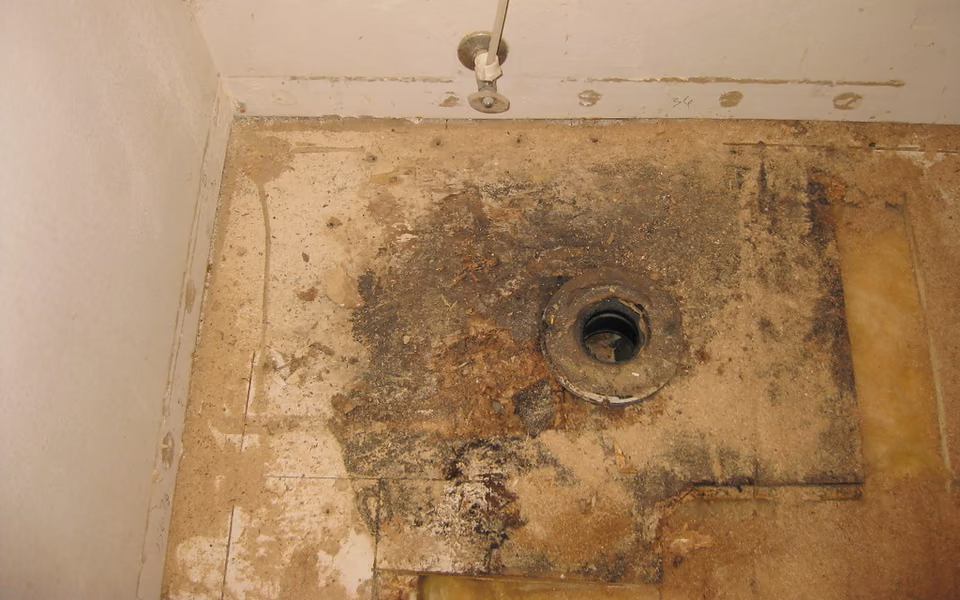
Extent assessment decides the honest scope: water wicks through framing, travels along plates, and soaks insulation invisibly, so the corrected zone is defined by readings and probing, not by the stain's outline. Hazard screening rides along in the same pause: saturated materials can host mold requiring remediation practices, and older assemblies may hold regulated materials whose disturbance has rules; both questions belong before correction, asked of people qualified to answer.
The paper endings protect everyone: correction priced as a written change with schedule effect, authorization before proceeding, moisture verification before re-covering, and photographs of the corrected assembly for the project file. That file, discovery, correction, verification, becomes part of the home's story, valuable at every future sale, insurance conversation, and renovation.