The components and their access answers
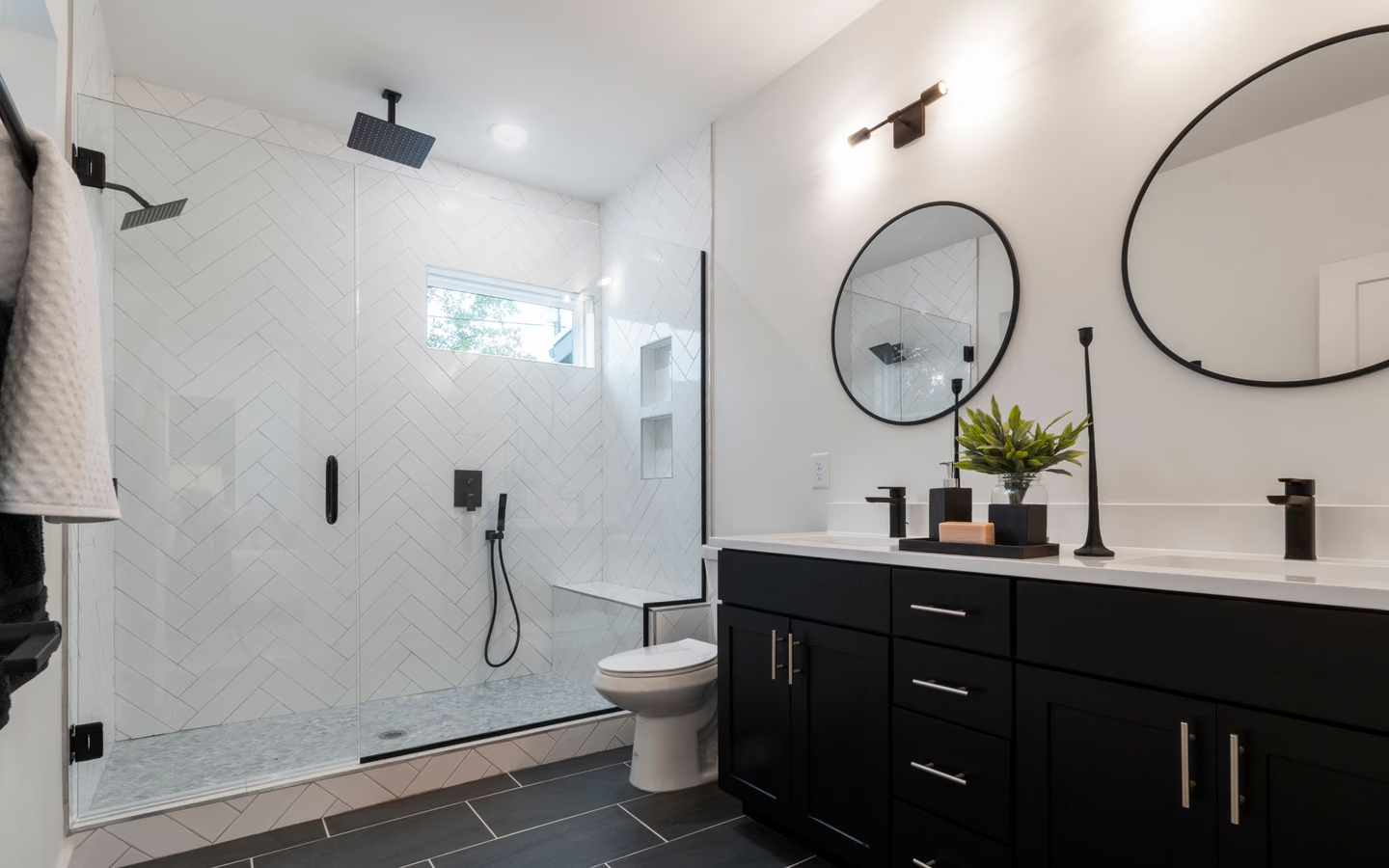
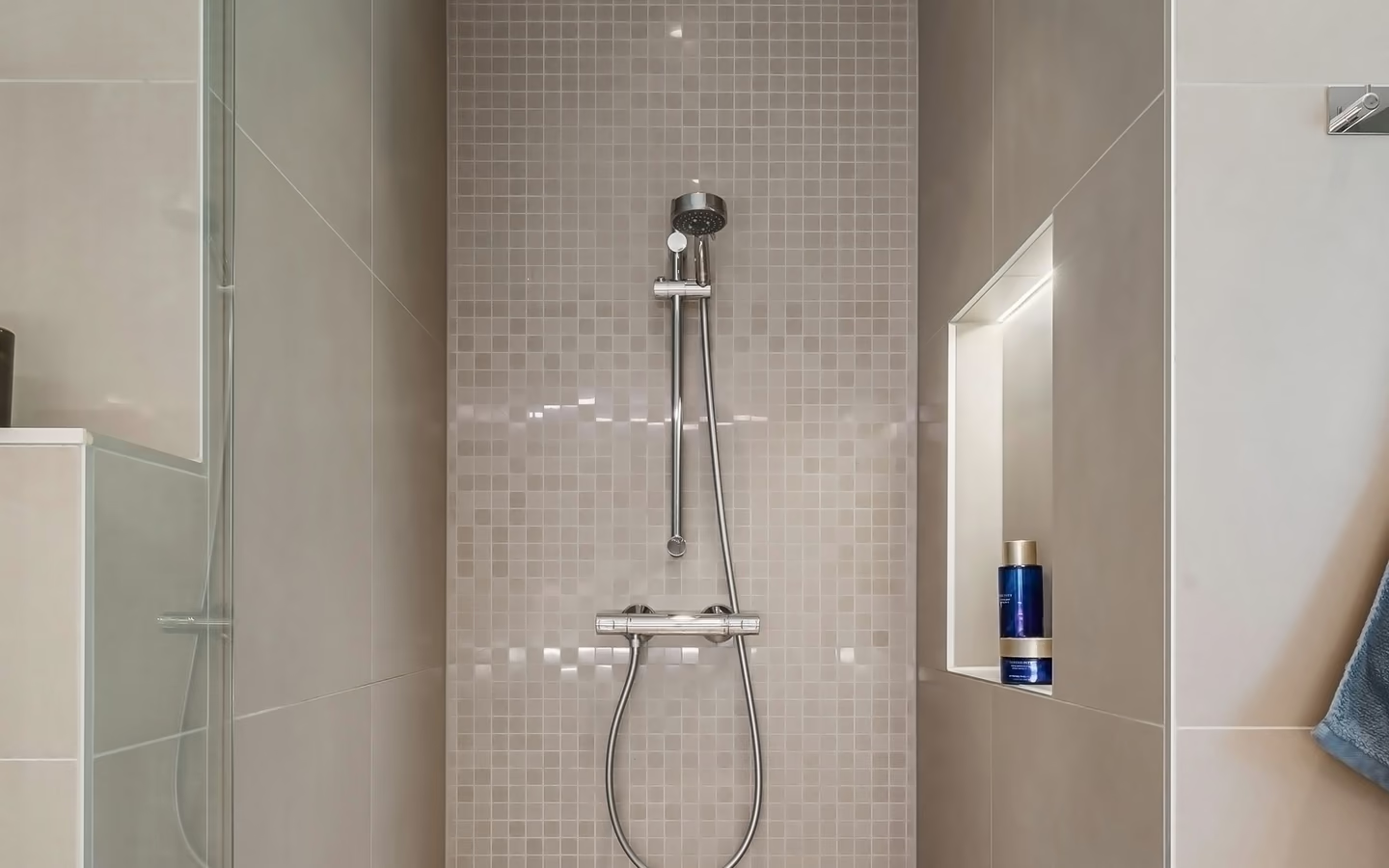
Valves lead the list: shower and tub valves live behind the room's most expensive surfaces, and their cartridges are consumables on a years-scale clock. Access panels behind valve walls, in closets, adjacent rooms, or cabinet backs, are the classic answer; where impossible, trim-side serviceability, choosing valves whose cartridges service from the front, is the design-stage save that spares the tile forever.
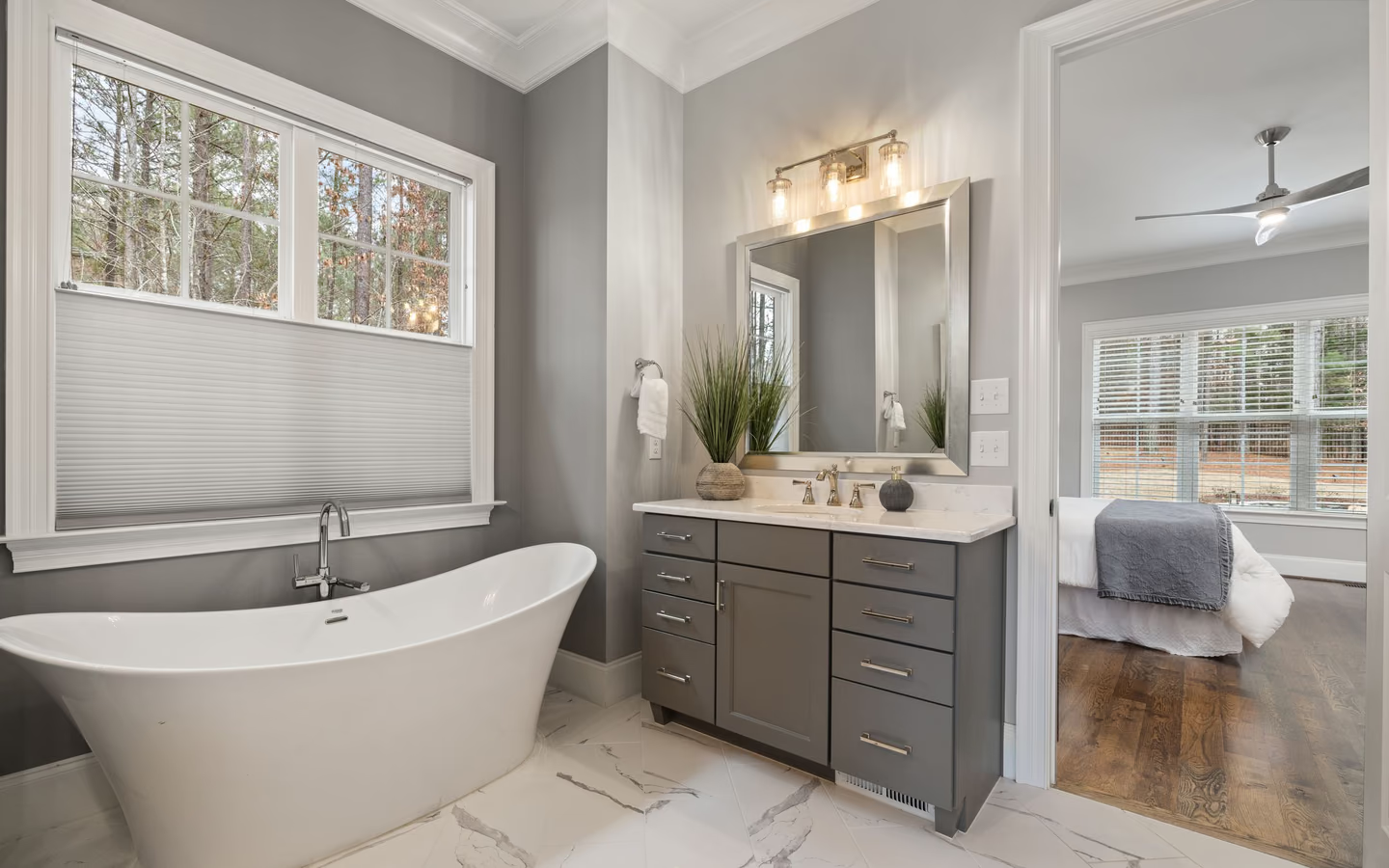
Drains and traps follow: tub traps in particular reward an access route, a panel below, a reachable ceiling section, a planned opening, because a trap serviced through an access costs minutes and one serviced through a finished ceiling costs a ceiling. Freestanding tubs deserve special honesty here, since their drains hide in the floor with no cabinet to open; the access conversation happens at rough-in or never.
The electronic tier completes the list: steam generators demand the access their manuals specify; floor-heating controls and sensors want their locations documented and their spare-sensor trick, an extra sensor laid at installation, used, since sensors fail and floors should not be opened to replace them; transformers and drivers for lighted mirrors and niches belong in reachable cavities, not sealed behind splash walls. Documentation binds it all: photographs of open walls, a component map with locations, and the file handed to whoever owns the room's next decade.