Value, maintenance, and efficiency guide

Build the room that absorbs the future

A bathroom is remodeled for a decade or three, and the future arrives regardless: products get discontinued, needs change, technologies mature, and components fail on their own schedules. This adaptability framework spends small money now, robust assemblies, standard parts, extra backing, service access, flexible wiring, documentation, and reserved options, so the future arrives as adjustments instead of renovations.

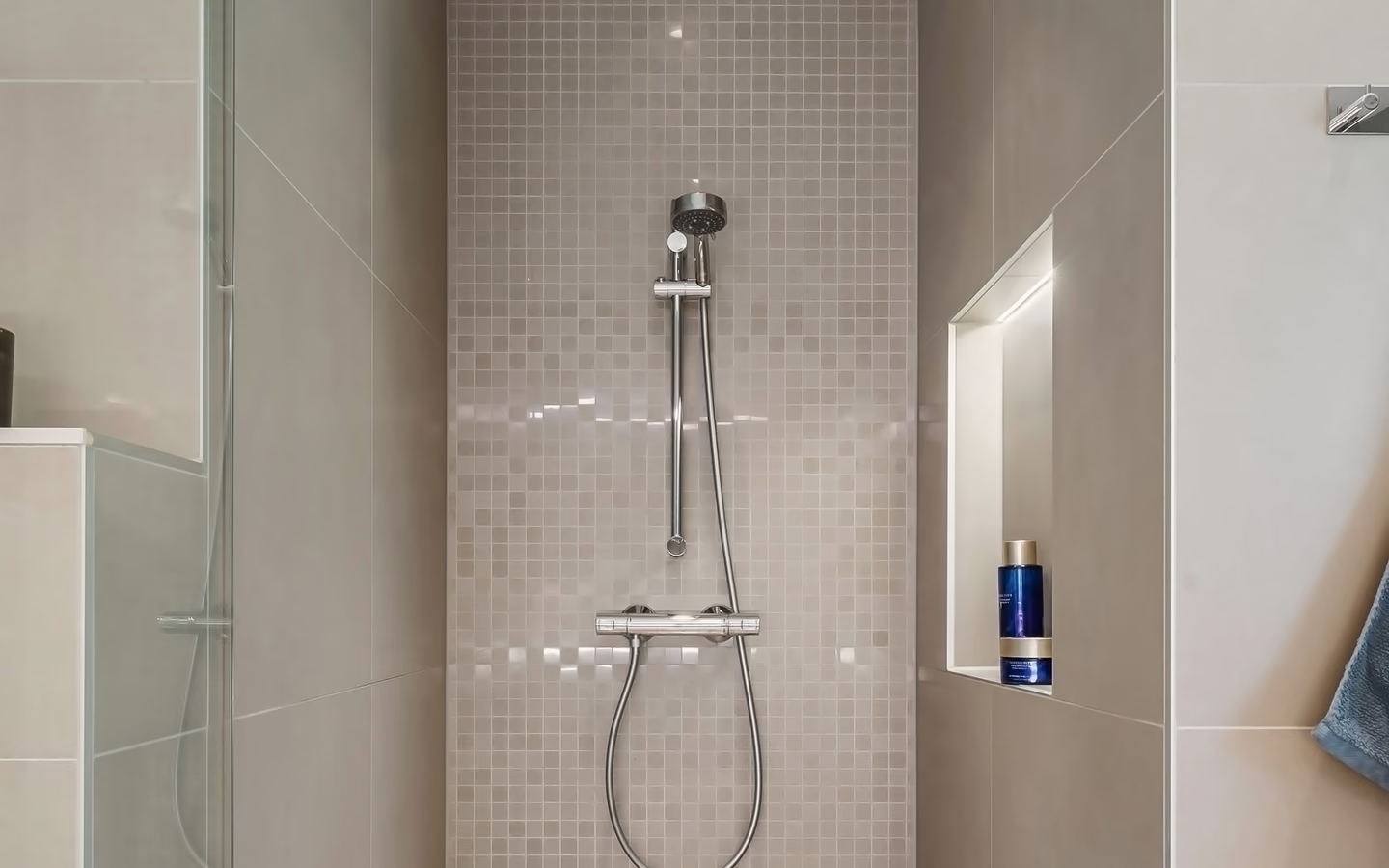
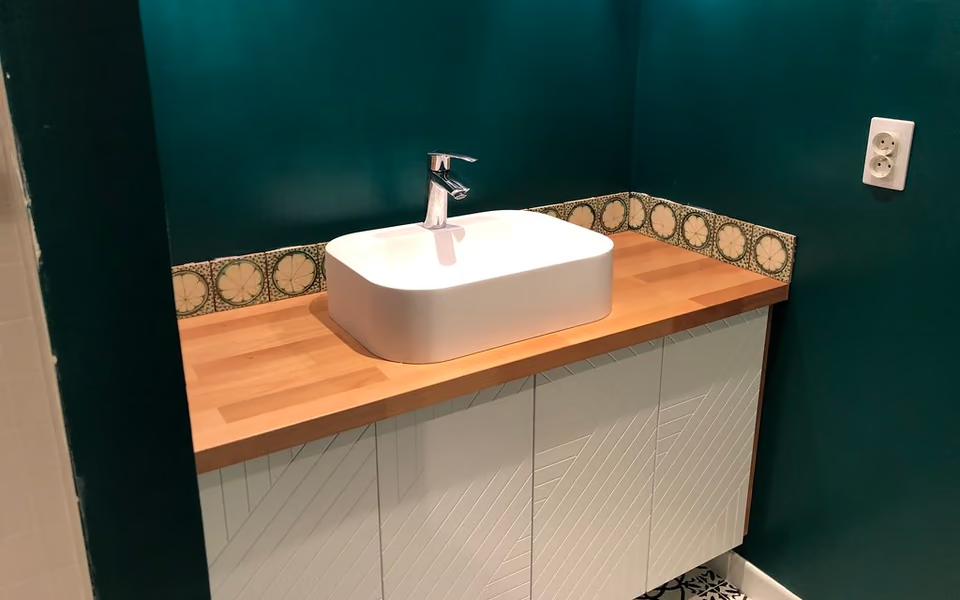
Compact floating vanity with an easy-clean counter and tiled accent wall
Bathroom tiles

How to build in adaptability

Anchor on standards and robustness: assemblies built on recognized methods, fixtures in standard dimensions and rough-in positions, and parts from established programs keep every future replacement a catalog exercise rather than a custom project. The orphan trap, proprietary sizes, fashion-program finishes, exotic formats, charges its premium precisely when something needs matching or replacing, which is exactly when choices are fewest.

Then reserve options cheaply while walls are open: blocking beyond today's needs, power roughed where features might land, a bidet-seat outlet, capacity for lighting or heating, access panels at every serviceable component, and clearances held generous where guidance suggests futures may want them. Each reservation costs little in the open-wall window; the sum is a room that meets the future with hardware swaps instead of saws.

The framework's pillars

Robust assemblies are the foundation pillar: waterproofing, substrates, and systems built to recognized methods at quality, because every future flexibility assumes the room's core is not the thing failing. Money moved from visible sparkle to concealed integrity is the framework's first and least glamorous trade, and the one every later decade endorses.

Standard interfaces are the replacement pillar: common fixture dimensions, standard rough-ins, established finish programs, and tile with attic stock reserved all mean the room can absorb a failed or dated component without cascading, the new toilet bolts to the old rough-in, the replacement faucet matches the surviving trim, the repaired wall matches from the reserve box. The interfaces are invisible until the day they are everything.

Reserved capacity is the change pillar: documented blocking for supports and grab points, an outlet where the bidet seat or lighted mirror might go, wiring capacity for brighter futures, a spare heating sensor in the floor, and access at every component with a service life. Documentation binds the framework, photographs, maps, and product records filed where the household will find them, because an option nobody remembers reserving is an option lost. The result is quietly powerful: a room that treats time as a design input.
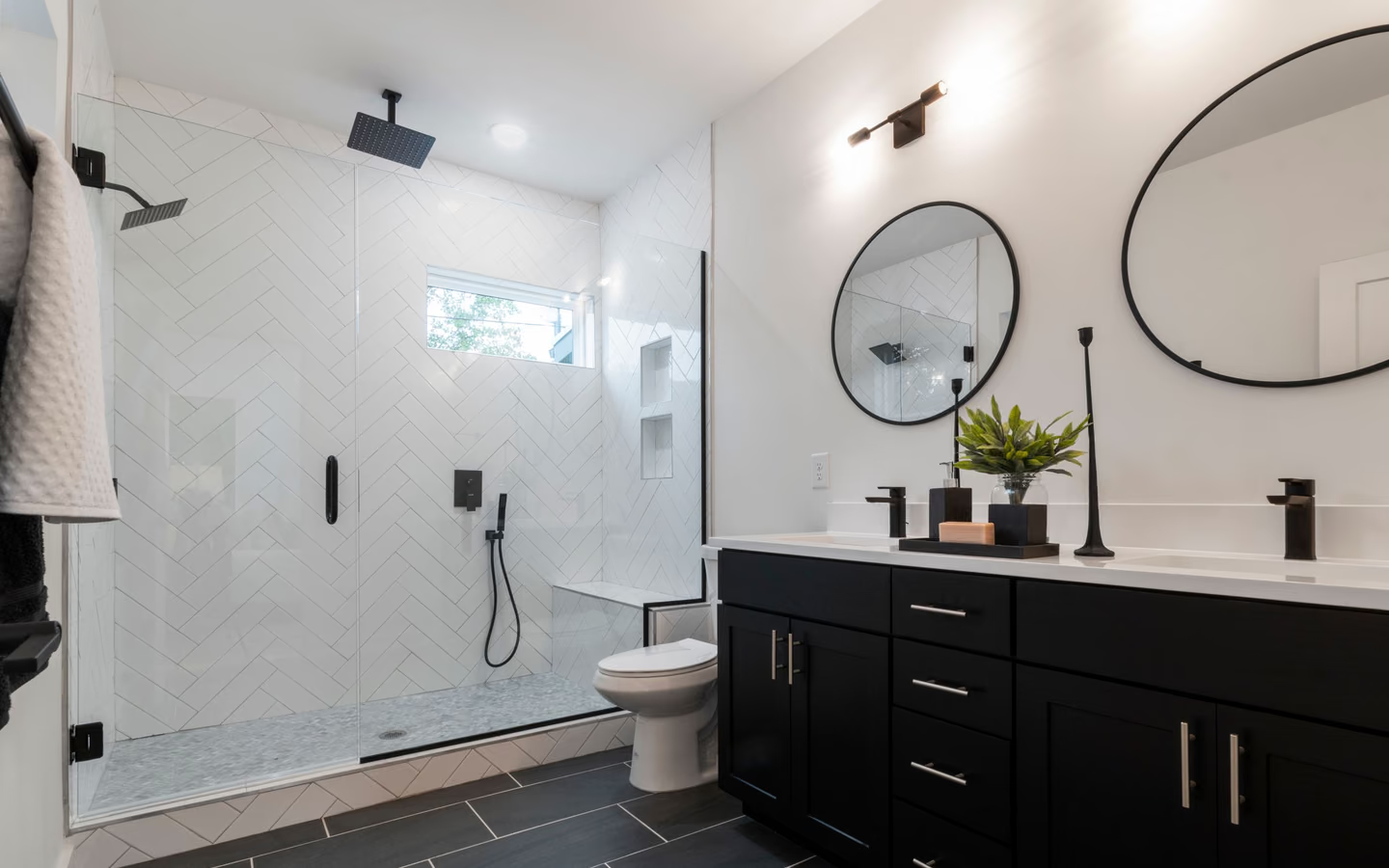
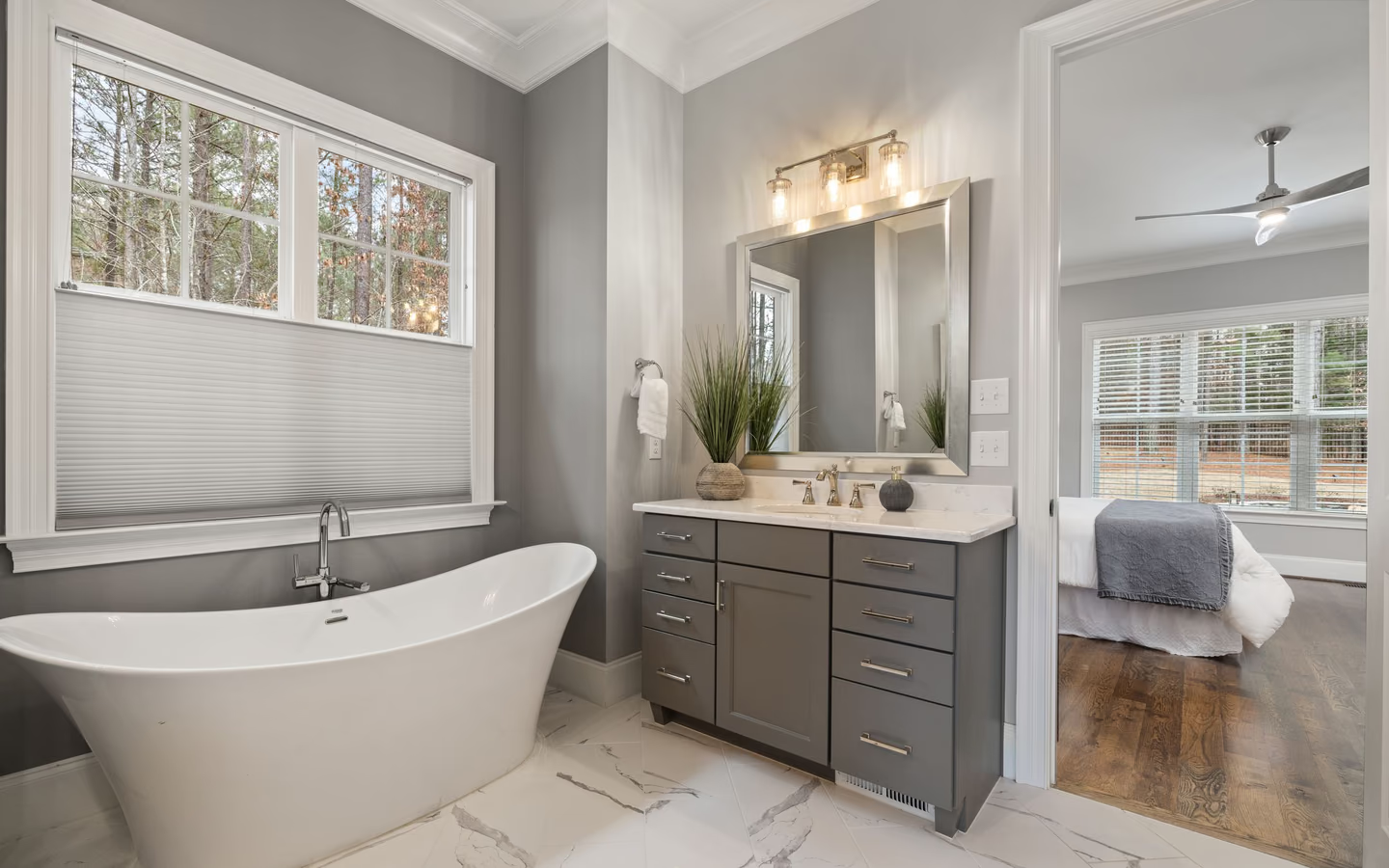
Future-proofing pillars with their moves

The pillars organize the framework; the rows list each one's concrete moves.

Future-proofing pillars with concrete decisions.
TopicThe concrete movesThe future it absorbs
Robust coreRecognized methods, quality assemblies, verified work.Every future that assumes the room still stands.
Standard interfacesCommon dimensions, rough-ins, and finish programs.Failed or dated components without cascades.
Reserved structureBlocking beyond today's plan, documented.Supports and mounts arriving as hardware.
Reserved powerOutlets and capacity roughed at likely spots.Bidet seats, lighting, and features as plug-ins.
Access and recordsPanels, spare sensors, photos, and maps filed.Service calls that never become demolitions.

The adaptability review

Run the design through these lines before walls close; that window is the whole opportunity.

Standards

  • Fixture dimensions and rough-ins standard

  • Finishes from continuing programs

  • Attic stock reserved for tiled surfaces

Reservations

  • Blocking installed generously and photographed

  • Power roughed at the plausible feature spots

  • Clearances held where futures may want them

Continuity

  • Access panels at every serviceable component

  • Spare heating sensor laid where floors warm

  • The documentation file complete and findable

Bring these questions to the conversation

  • Which choices in this design would orphan hardest?

    The orphan audit: proprietary sizes, exotic formats, fashion programs. Each identified now is a future matching crisis avoided.

  • What reservations would you add to this project for its second decade?

    Professionals watch rooms age; their reservation list, blocking, outlets, access, is experience translated into cheap options.

  • What will exist in the file when the walls close?

    Photos, maps, product records, and the reserved-option inventory: the documentation is what keeps the options real.

  • If one component fails in year twelve, what happens?

    Walk the scenario per component: catalog replacement, panel access, reserve stock, or demolition. The walk finds the framework's gaps while they are fixable.

Common questions

Frequently asked questions

Is future-proofing just accessibility planning renamed?

Accessibility readiness is one pillar; the framework is broader, standard interfaces against discontinuation, access against component failure, capacity against technology, records against forgetting. The common thread is treating time as a design input, whatever the future's specific shape.

How much should future-proofing add to a project's cost?

Surprisingly little: blocking, outlets, panels, spare sensors, and documentation ride the open-wall window at marginal cost, and standard interfaces often cost nothing at all. The framework mostly redirects choices rather than adding spend, which is why skipping it saves so little and costs so much.

Sources and methodology

Research & methodology

Sources

References supporting the planning guidance on this page.

  1. Government sourceAccessed
  2. Bathroom Planning GuidelinesNational Kitchen & Bath Association
    Trade sourceAccessed

Share your project. Call when ready.

Turn your research into a clear project request

Share your project, full service address, and contact details securely, then call when you are ready to discuss availability with an independent professional.