Accessibility and long-term use comparison

Traction is a system, and flooring is one part

No floor makes a bathroom fall-proof, and honest planning treats traction as a system: surface texture and its wet behavior, grout lines underfoot, transitions between materials, mats and their edges, cleaning residue, drainage, footwear habits, and the balance realities of the people walking it. This comparison evaluates flooring inside that system, without safety promises.

How to evaluate traction honestly

Judge surfaces in their worst condition: wet, soapy, and under bare feet, not dry under shoes in a showroom. Manufacturers publish traction data for hard surfaces, useful for comparison within its limits, and texture you can feel, matte grain, raised pattern, mosaic joint density, is the practical signal. Small tiles bring more grout lines per step, which is traction's quiet friend.

Then audit the rest of the system, because floors rarely act alone in falls: standing water from poor drainage or splash, cleaning products that leave slick films, mats that slide or curl at their edges, transitions that change grip mid-step, and lighting that hides all of the above. A modest floor inside a good system beats a great floor inside a bad one.

The flooring field, traction-first

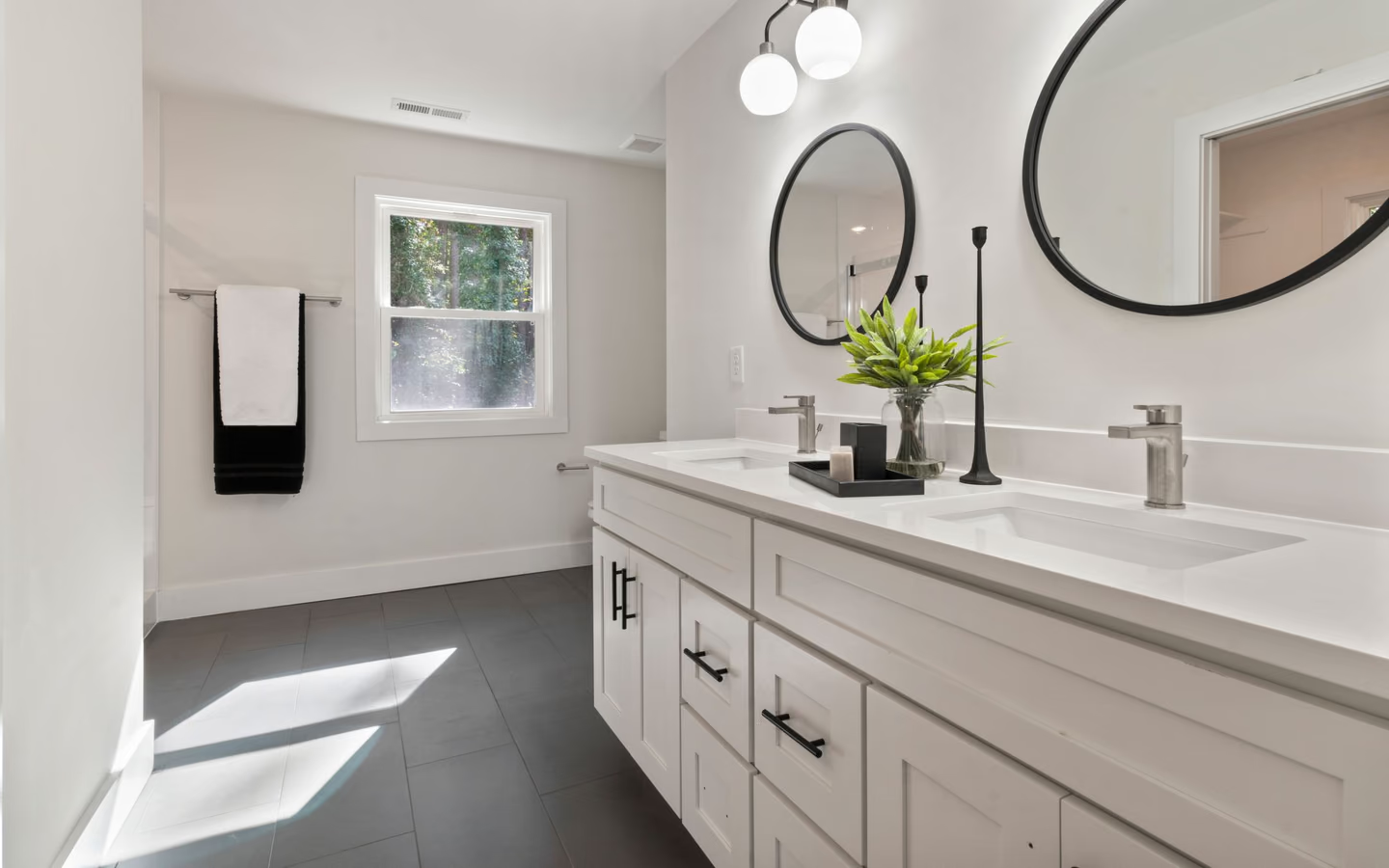
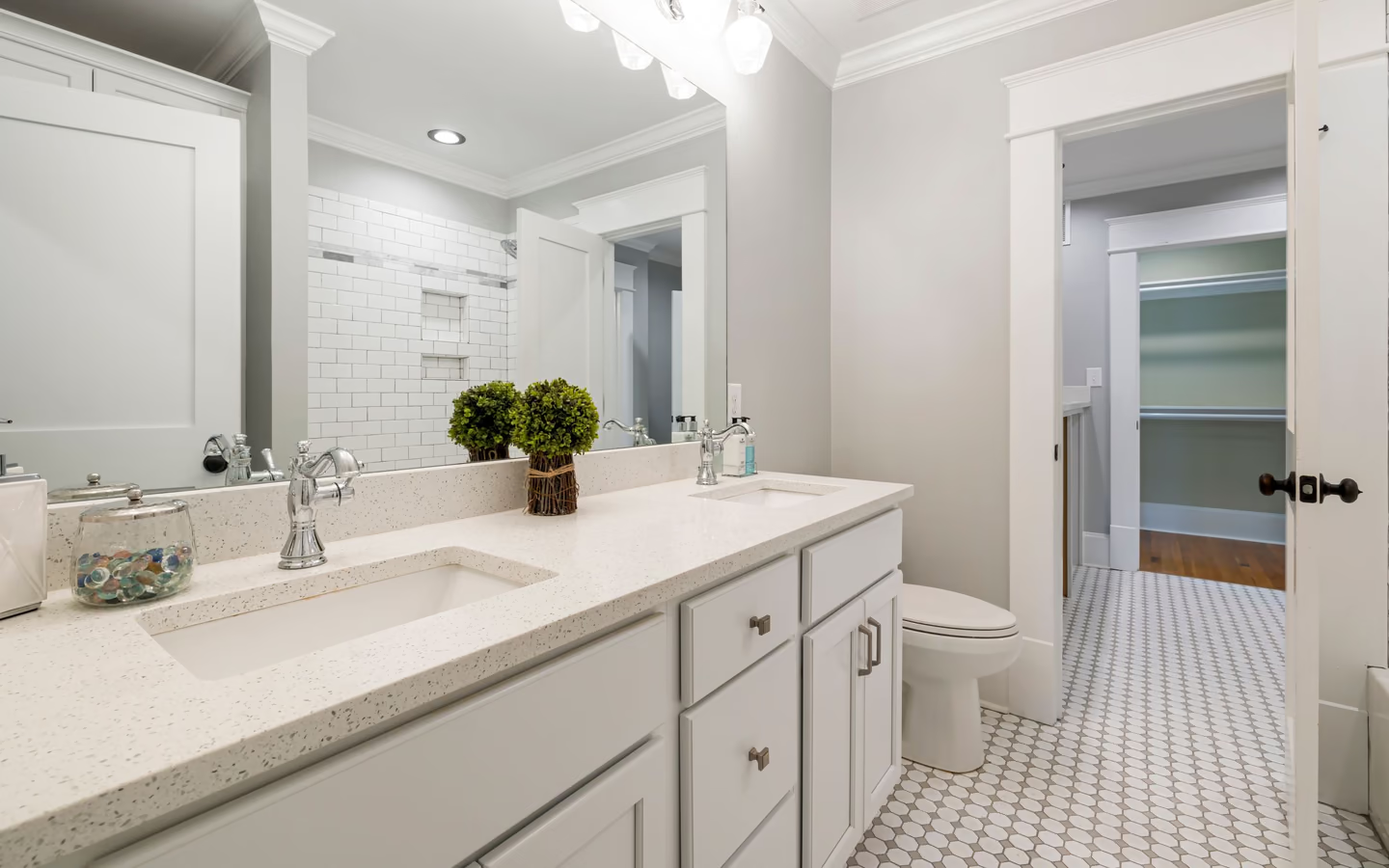
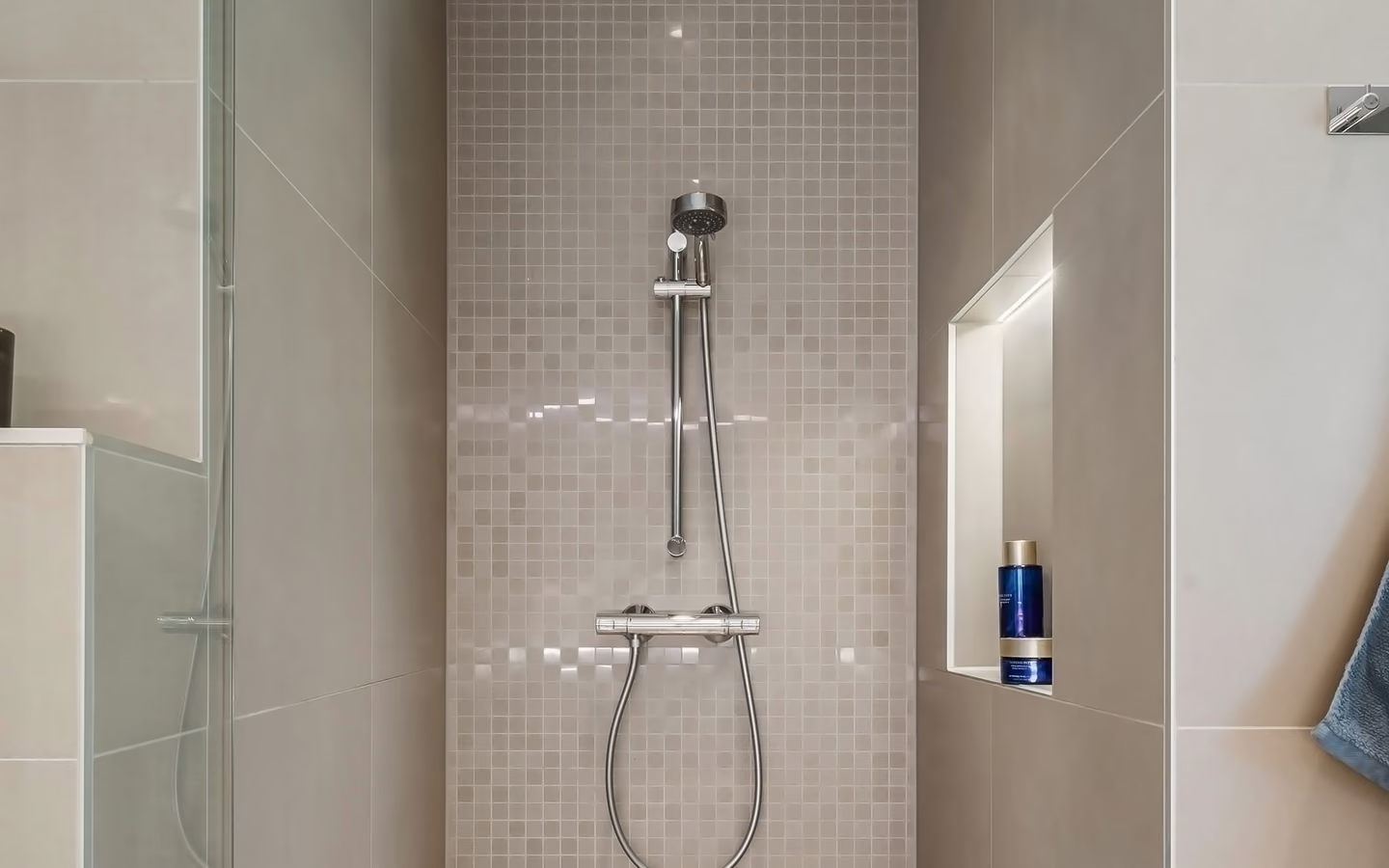
Textured and matte porcelain leads the wet-zone conversation: traction-rated lines exist specifically for wet floors, dense bodies shrug at water, and formats scale from mosaics, whose joint density adds grip, to large tiles whose surfaces must carry the traction alone. The texture-cleaning trade is real, deeper texture holds soap film longer, and the household's cleaning rhythm should meet the chosen grain honestly.

Resilient categories bring their own profile: quality wet-rated vinyl offers consistent matte surfaces, warmth, and forgiveness underfoot that hard tile lacks, an underrated comfort for unsteady walkers, with seams and edges as their detail to manage. Natural stone spans the whole spectrum by finish, honed and textured surfaces serve, polished stone and water is the classic mistake, and its sealing chemistry joins the cleaning-residue conversation.

The system details finish the work: transitions flush rather than lipped, mats chosen with grippy backs and low edges or designed out entirely, drainage that clears standing water where feet pivot, and cleaning products that rinse clean rather than filming. For households planning around balance changes, the flooring conversation belongs inside the larger one, lighting, supports, thresholds, with professional and specialist input where risk is real.
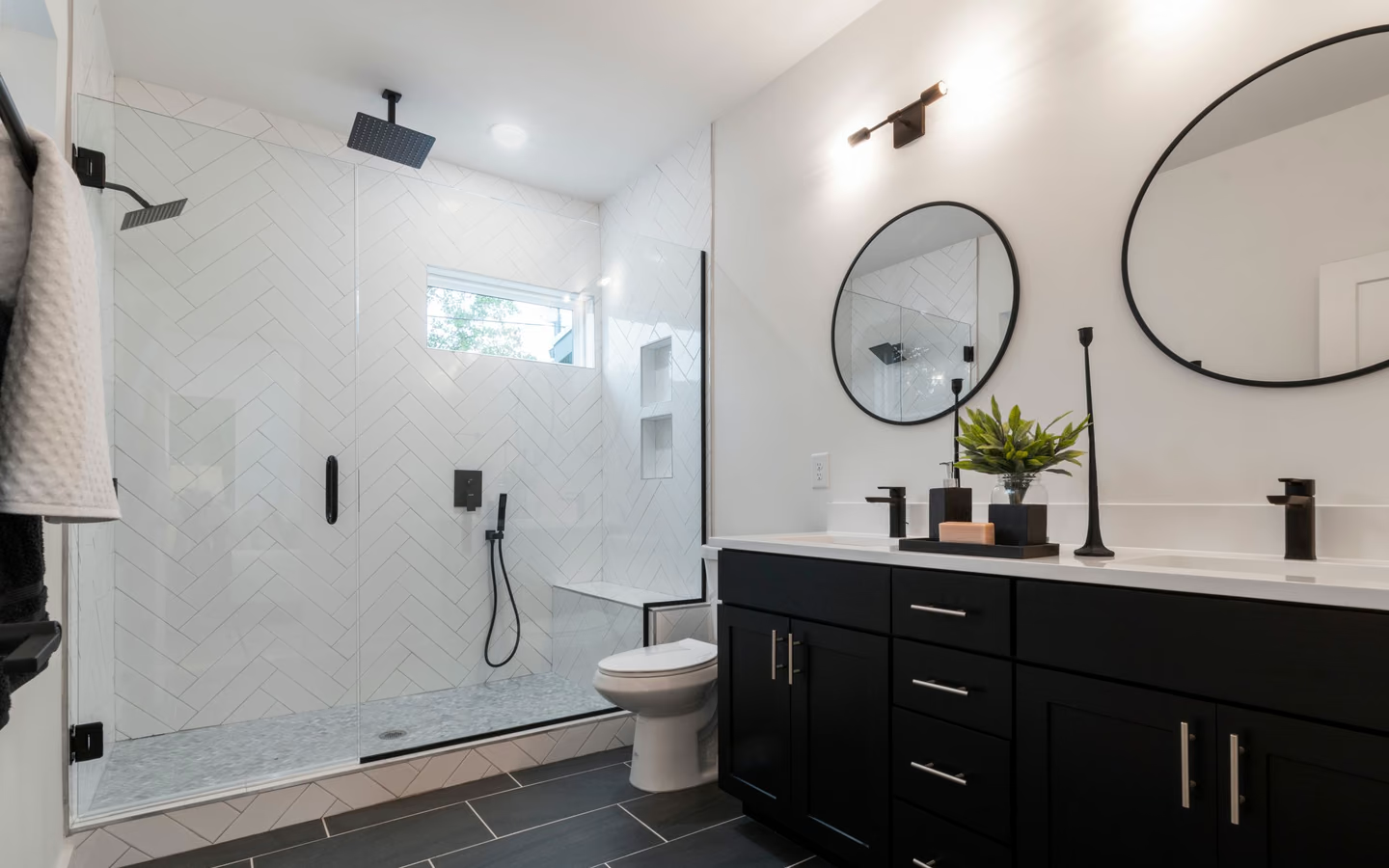

Flooring options through the traction lens

Category tendencies below; specific lines vary, and their published data rules.

Bathroom flooring compared for wet traction behavior.
TopicTraction profileThe system note
Textured porcelainPurpose-rated lines for wet floors; durable grain.Deeper texture asks more of the cleaning rhythm.
Mosaic formatsJoint density adds grip per step.More grout to maintain; the trade is explicit.
Wet-rated vinylConsistent matte grip, warm and forgiving underfoot.Seams, edges, and mat interactions to manage.
Honed or textured stoneServiceable grip with finish chosen well.Sealing and residue chemistry join the system.
Polished surfacesThe famous mistake when water arrives.Reserve for dry zones, if anywhere.

Traction system checklist

Work the system, not just the sample board.

The surface

  • Wet-condition traction data or texture verified

  • Format chosen with joint density in mind

  • Cleaning rhythm matched to the texture's needs

The system

  • Transitions flush; edges and lips eliminated

  • Mats gripped and low-edged, or designed out

  • Drainage clearing water where feet pivot

The people

  • Balance realities of the household named

  • Lighting and night paths included in the audit

  • Specialist input sought where fall risk is real

Bring these questions to the conversation

  • What is this line's wet traction data, and how does it compare?

    Published values allow comparison within their limits. A supplier fluent in them is engaging the question; one waving at texture is not.

  • How does this texture clean in real households?

    The grip-residue trade is lived weekly. Installers who see year-three floors know which textures hold soap film and which rinse clean.

  • Where will water stand in this room, and can we design it away?

    Standing water beats surface ratings every time. Drainage, slope, and splash control are the floor's silent partners.

  • What would you change in this room for an unsteady walker?

    Invites the system answer: floor, mats, transitions, light, supports. The breadth of the response measures the advisor.

Common questions

Frequently asked questions

Is there a truly non-slip bathroom floor?

No, and claims otherwise deserve suspicion: every surface has wet conditions that defeat it, which is why honest planning works the whole system, surface, drainage, mats, light, habits, rather than trusting one rating. Better floors move the odds; systems move them further.

Do anti-slip coatings and treatments work?

Some products measurably alter surface behavior for a period, with maintenance and reapplication realities, and results vary by surface and product. Treat them as one adjustable layer in the system, verified by the product's own data, not as a permanent transformation.

Sources and methodology

Research & methodology

Sources

References supporting the planning guidance on this page.

  1. Bathroom Planning GuidelinesNational Kitchen & Bath Association
    Trade sourceAccessed
  2. Trade sourceAccessed

Share your project. Call when ready.

Turn your research into a clear project request

Share your project, full service address, and contact details securely, then call when you are ready to discuss availability with an independent professional.