Materials and finishes comparison

Floors chosen by the room's worst day

Bathroom floors are specified for the wet morning, the dropped bottle, and the decade of traffic, not the showroom's dry afternoon. This decision table compares tile and resilient options on moisture approval, traction, substrate needs, thickness and transitions, warmth, noise, repair, cleaning, and heated-floor compatibility, so the shortlist matches the exposure.

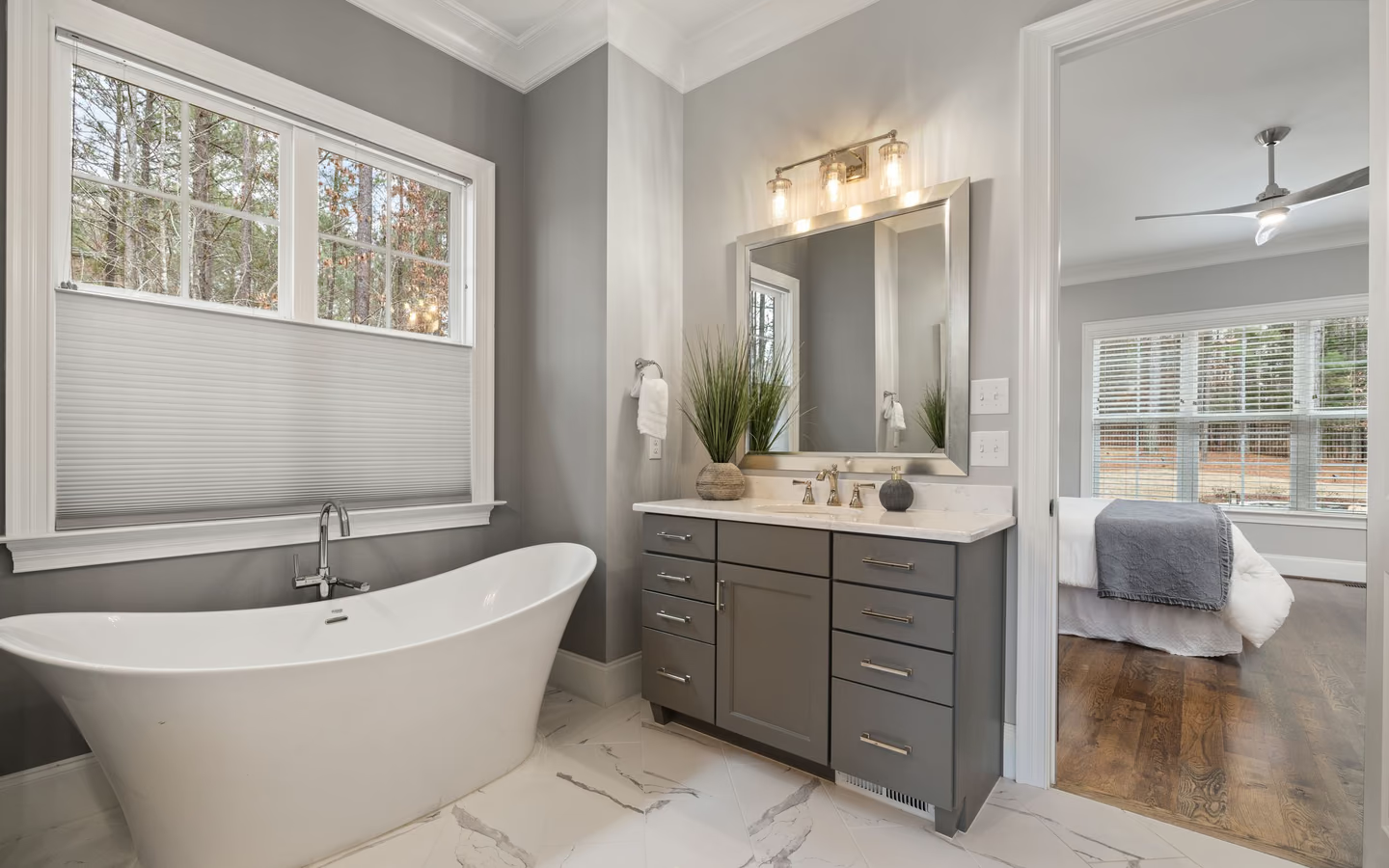
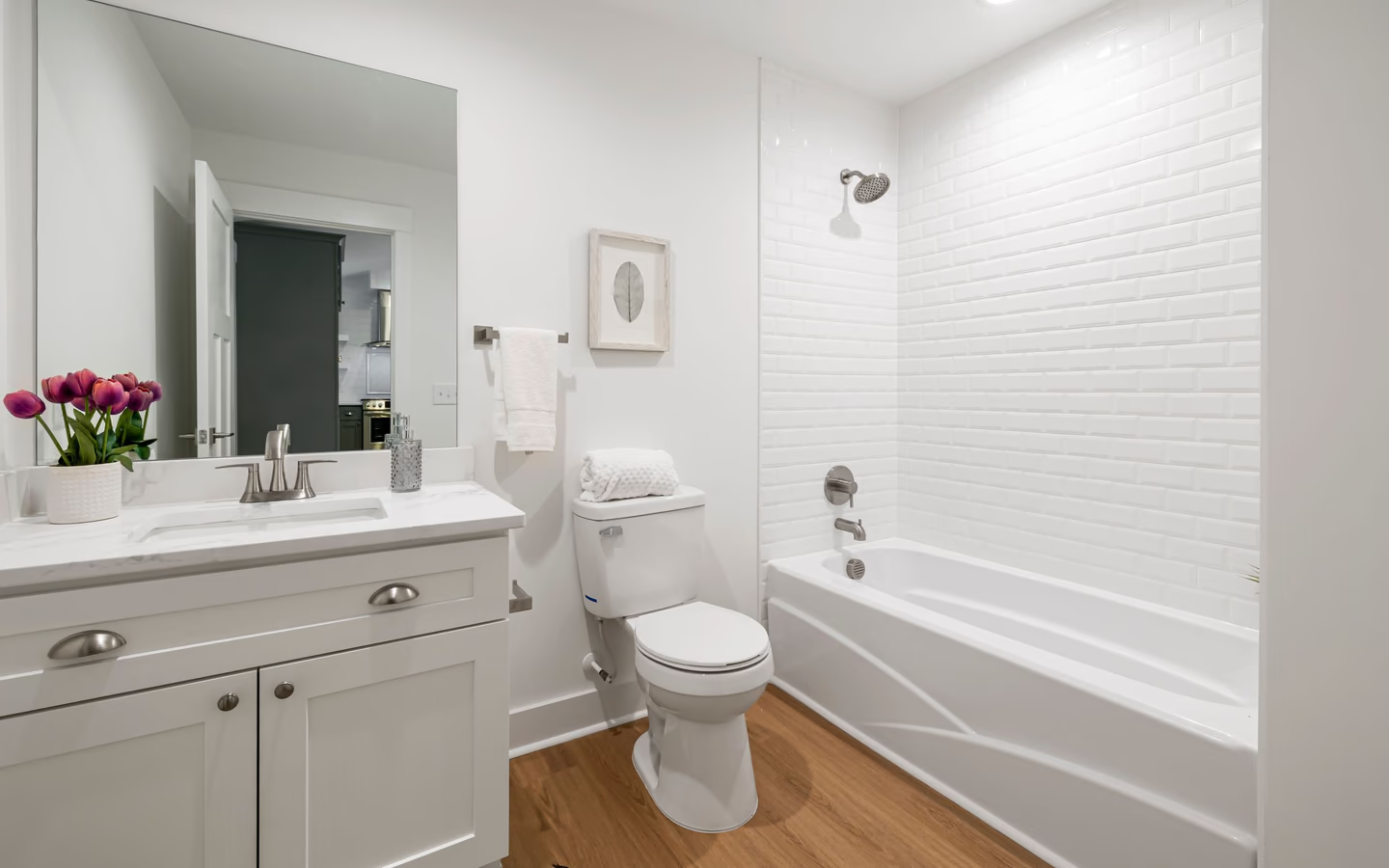
Bright minimalist bathroom with a white bathtub, sleek vanity, and warm wood flooring
Bright minimalist bathroom with a white bathtub, sleek vanity, and warm wood flooring.

How to shortlist flooring

Set the moisture bar first: the bathroom floor must be rated by its manufacturer for wet rooms, and the fine print differs meaningfully across resilient categories, waterproof cores versus water-resistant assemblies versus surfaces whose seams are the vulnerability. Read suitability statements as contracts; the room will test them.

Then weigh the livability axes your household actually feels: traction wet and barefoot, warmth underfoot or compatibility with heating beneath, sound in rooms above bedrooms, and the cleaning reality of textures and joints. The winner is rarely universal; it is the option whose tradeoffs land softest on your mornings.

The candidates and their honest profiles

Porcelain tile is the incumbent for reasons: wet-proof body, traction available by texture, absolute compatibility with heating systems, and repair by attic-stock swap. Its taxes are hardness, cold without heat, sound transmission, and grout care; its installation quality, flatness, coverage, joints, decides whether the decade is serene or clicky.

Resilient categories, luxury vinyl planks and tiles chief among them, answer tile's taxes: warmer touch, quieter rooms, friendlier underfoot, and rapid installation, with wet-rated lines serving bathrooms specifically. Their fine print: seams and edges are the moisture story in many products, transitions to neighboring floors carry height decisions, and heat compatibility varies by line with stated temperature limits. Sheet formats reduce seams; quality varies by line more than by category.

The rest of the field serves niches: natural stone brings geology with its care contract and loves heat beneath; engineered woods and laminates bring warmth with moisture caveats that make them perimeter choices for careful households rather than wet-zone defaults. Whatever the pick, the transition details, thresholds, height changes, and edge sealing, are where bathroom floors succeed or leak.
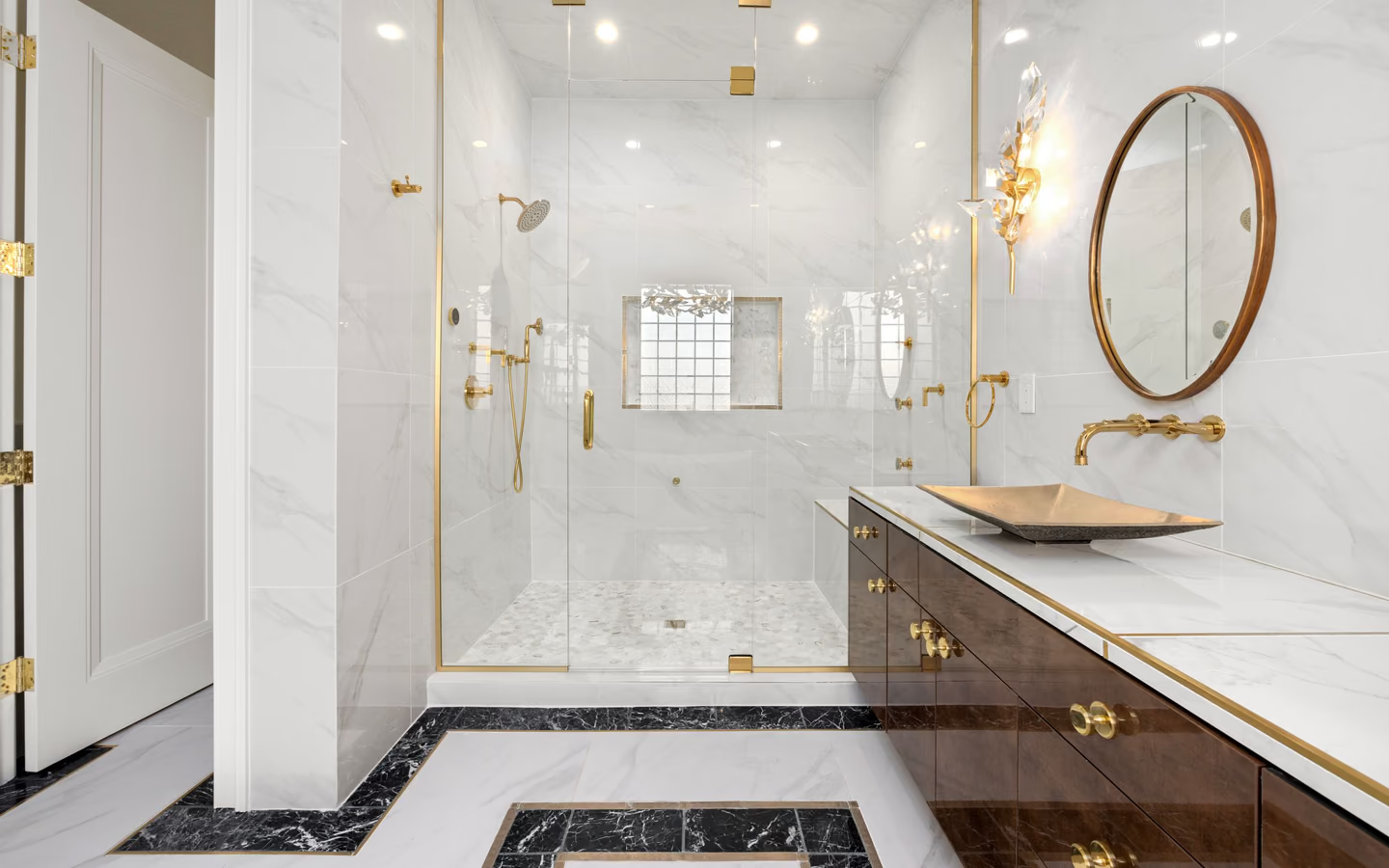
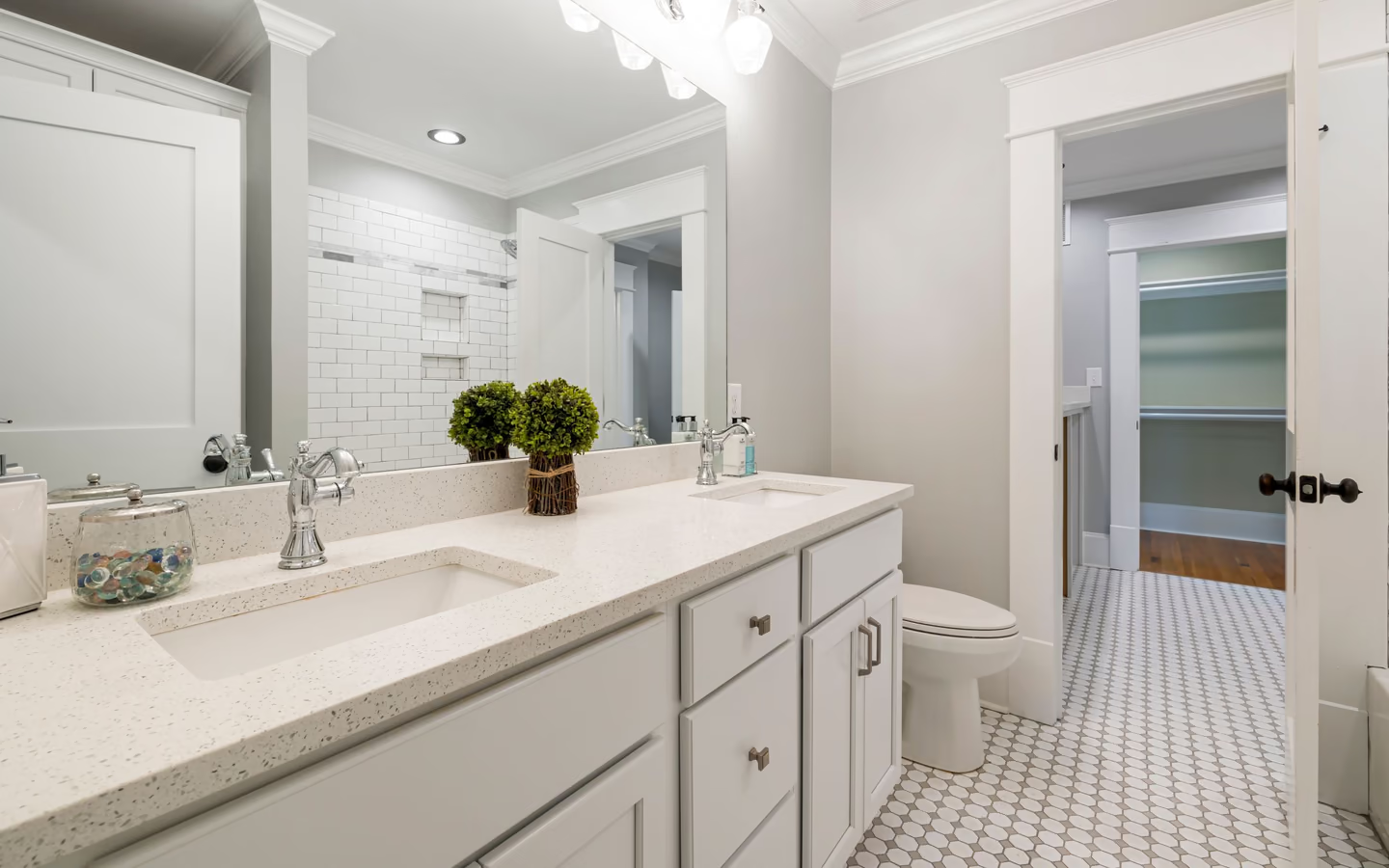
Polished transitional bathroom with white marble, a wood vanity, and warm metal fixtures
Polished transitional bathroom with white marble, a wood vanity, and warm metal fixtures.

Flooring candidates across the decision axes

Profiles are category-level; the specific line's data sheet always rules.

Bathroom flooring options compared on the deciding axes.
TopicStrengthsThe fine print
Porcelain tileWet-proof, heatable, repairable by swap, textures for grip.Hard, cold unheated, grout care, sound transmission.
Luxury vinylWarm, quiet, fast to install; wet-rated lines exist.Seam and edge behavior; heat limits by line.
Sheet resilientFewest seams in the category; budget-friendly.Repair means patching; subfloor prep shows through.
Natural stoneGeology underfoot; superb with heating.Sealing cycles, chemistry care, and cost.
Wood-adjacentWarmth and continuity with adjacent rooms.Moisture caveats; splash-zone humility required.

Flooring decision list

Run the finalists through these lines with your room's real exposure in mind.

The rating

  • Manufacturer wet-room suitability read verbatim

  • Traction data checked for wet, bare feet

  • Heating compatibility and limits confirmed

The room

  • Substrate condition and flatness assessed

  • Transition heights planned at every doorway

  • Sound expectations set for rooms below

The decade

  • Repair story understood: swap, patch, or refinish

  • Cleaning chemistry matched to the surface

  • Attic stock or spare material reserved

Bring these questions to the conversation

  • Is this exact line rated for full bathroom use?

    Category reputations mislead in both directions; the line's suitability statement is the contract. Ask for it in writing.

  • How will transitions to my hallway floors be handled?

    Heights rarely match across materials. The threshold detail answer predicts both the look and the stubbed toes.

  • What does this floor need from my subfloor?

    Flatness, dryness, and stiffness requirements vary by material. The preparation answer is part of the floor's true price.

  • How does this choice pair with floor heating, now or later?

    Compatibility and temperature limits differ by line. Even if heat waits, choosing a compatible floor keeps the option alive.

Common questions

Frequently asked questions

Is luxury vinyl really okay in bathrooms?

Wet-rated lines, installed with edge and seam discipline, serve bathrooms well and warmly; the category's failures come from dry-room products pressed into wet service and from standing-water neglect at edges. The line's rating and the installer's sealing habits decide.

What is the warmest floor without installing heat?

Resilient categories lead by touch, cork where its moisture caveats are managed, with tile trailing unheated. Rugs rated for bathroom use bridge the gap honestly; underfloor heating remains the definitive answer where mornings demand it.

Sources and methodology

Research & methodology

Sources

References supporting the planning guidance on this page.

  1. Bathroom Planning GuidelinesNational Kitchen & Bath Association
    Trade sourceAccessed
  2. Trade sourceAccessed

Share your project. Call when ready.

Turn your research into a clear project request

Share your project, full service address, and contact details securely, then call when you are ready to discuss availability with an independent professional.