Value, maintenance, and efficiency guide

Efficiency you can verify on the label

Water-efficient fixtures stopped being a sacrifice years ago; the work now is verification and fit: certified toilets, faucets, and showerheads carry a recognizable label with published performance criteria, and the planning questions are household ones, use patterns, hot-water implications, incentive programs, and choosing labeled products that serve the way your home actually runs.

How to plan efficient fixtures

Anchor on the certification: the WaterSense program labels toilets, bathroom faucets, and showerheads that meet both efficiency and performance criteria, independently certified, which retires the old fear that saving water means weak function. Selection becomes checking for the label, then choosing among labeled products on the ordinary grounds, fit, feel, finish, and parts.

Then plan around the household's patterns: high-traffic bathrooms multiply every per-use saving; the shower's flow rating times the family's real durations is the meaningful number; and toilets, as the home's largest indoor water users in most accounting, reward efficient replacement fastest where flushes are many. Local utility incentive programs sometimes reward labeled replacements; a few minutes of checking is occasionally real money.

The fixture-by-fixture picture

Toilets lead the savings table: certified high-efficiency models clear waste reliably at volumes that would have seemed impossible a generation ago, verified by independent testing rather than marketing, and replacing an aging high-volume toilet is the single largest water saving most bathrooms can buy. Selection guidance is unchanged otherwise, rough-in, height, bowl, and cleanability still decide the model.

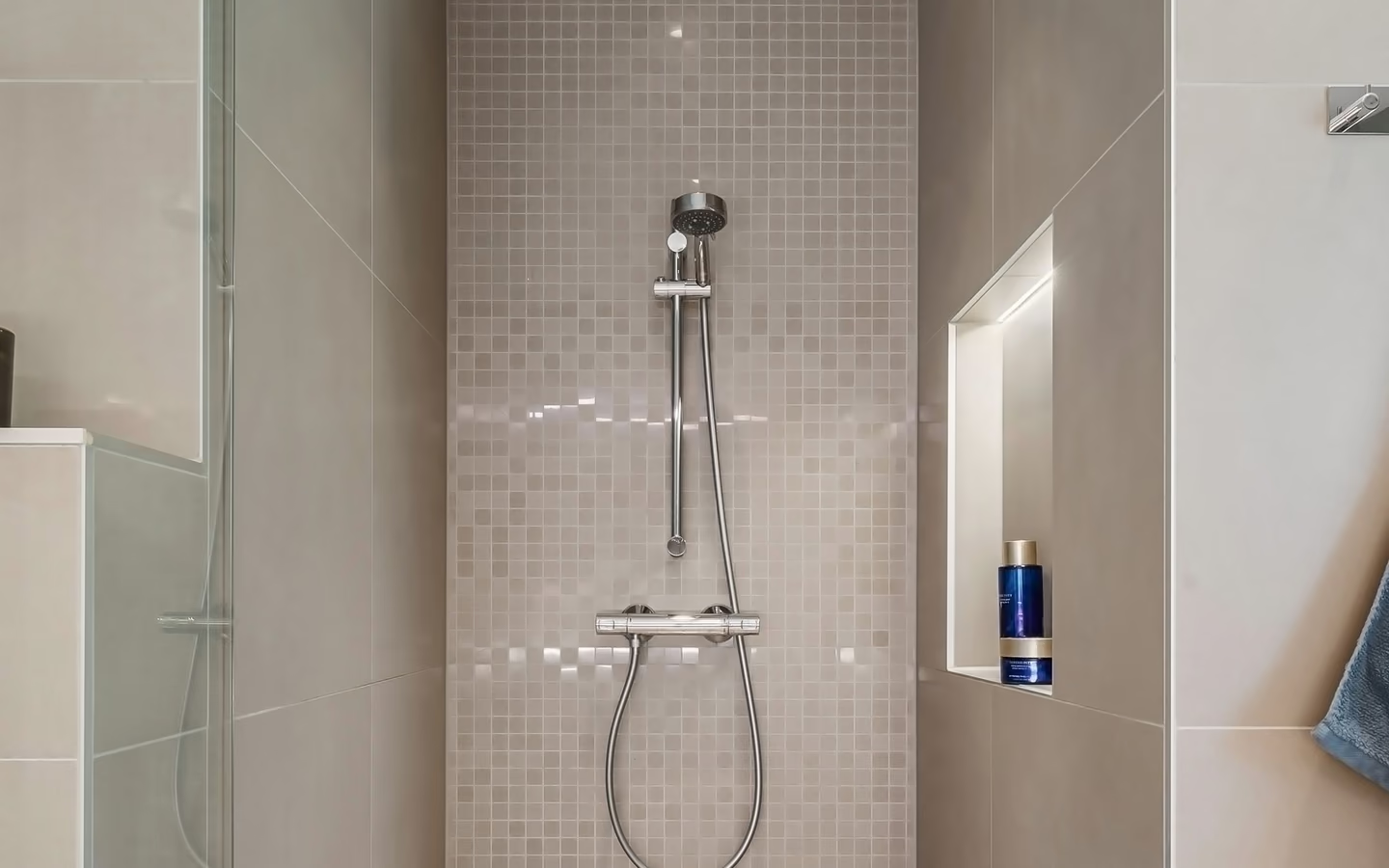
Showerheads carry the comfort myth to retire: labeled heads must meet spray force and coverage criteria alongside flow limits, and well-engineered models deliver showers households genuinely enjoy. The hot-water double-win rides along, every efficient shower minute draws less from the heater, stretching capacity and trimming the energy bill that heating water represents, one of the home's larger energy lines.

Faucets round it out with aerators as the budget hero: labeled bathroom faucets and simple aerator swaps deliver hand-washing service at reduced flows with no felt loss, at costs that repay in utility bills quickly. The verification habit completes the plan: the label on the box, the flow rating on the spec sheet, and, where incentives apply, the program's current product list, all checkable in minutes.
Fixtures, criteria, and planning notes

The rows summarize the labeled categories with their planning realities.

Water-efficient fixture categories with planning guidance.
TopicWhat the label verifiesPlanning notes
ToiletsEfficient flush volume plus tested clearing performance.The biggest saving; replace the oldest models first.
ShowerheadsFlow limits plus spray force and coverage criteria.Multiply by real durations; enjoy the hot-water relief.
Bathroom faucetsReduced flow with maintained function.Aerators retrofit cheaply where full swaps wait.
Hot-water interactionLess draw per use stretches heater capacity.Efficiency is quiet capacity for the whole house.
IncentivesSome utilities rebate labeled replacements.Check current local programs before purchasing.

Efficient-fixture planning list

Verification is the method; these lines are the verification.

Verify

  • The label present on each chosen product

  • Flow and volume ratings read from spec sheets

  • Performance criteria understood as part of the label

Fit

  • Toilets checked for rough-in, height, and clearing ratings

  • Showerheads matched to household spray preferences

  • Faucets paired with their sinks against splash

Capture

  • Local incentive programs checked while current

  • Old-fixture baseline noted to see the change

  • Hot-water relief counted in any capacity math

Bring these questions to the conversation

  • Are all the proposed fixtures labeled, and can I see the ratings?

    The verification question in one line. Labeled products make the answer a document rather than an assurance.

  • Which replacement saves the most in my specific bathroom?

    Usually the oldest toilet or the longest-running shower; the professional's read on your fixtures ranks the swaps by payback.

  • Will the efficient showerhead satisfy our preferences?

    Spray patterns vary within the label. Trying a display or choosing returnable retail first protects the daily experience.

  • Do current local programs rebate any of this?

    Incentives come and go; the current answer takes minutes to check and occasionally funds part of the upgrade.

Common questions

Frequently asked questions

Do efficient fixtures really perform as well?

The label exists precisely to guarantee it: certified products must meet performance criteria, spray force, clearing ability, alongside efficiency, verified independently. Disappointments today usually trace to unlabeled bargain products or pressure problems, not to certified fixtures.

How much water do these swaps actually save?

It scales with household size and fixture age: aging toilets and long showers dominate bathroom water use, so labeled replacements there compound daily. The certain gains are directionally large for busy households; exact figures depend on your patterns, which the planning math makes visible.

Sources and methodology

Research & methodology

Sources

References supporting the planning guidance on this page.

  1. Your Better BathroomU.S. Environmental Protection Agency WaterSense
    Government sourceAccessed
  2. The WaterSense LabelU.S. Environmental Protection Agency WaterSense
    Government sourceAccessed
  3. Bathroom Planning GuidelinesNational Kitchen & Bath Association
    Trade sourceAccessed

Share your project. Call when ready.

Turn your research into a clear project request

Share your project, full service address, and contact details securely, then call when you are ready to discuss availability with an independent professional.