The factors that decide the answer
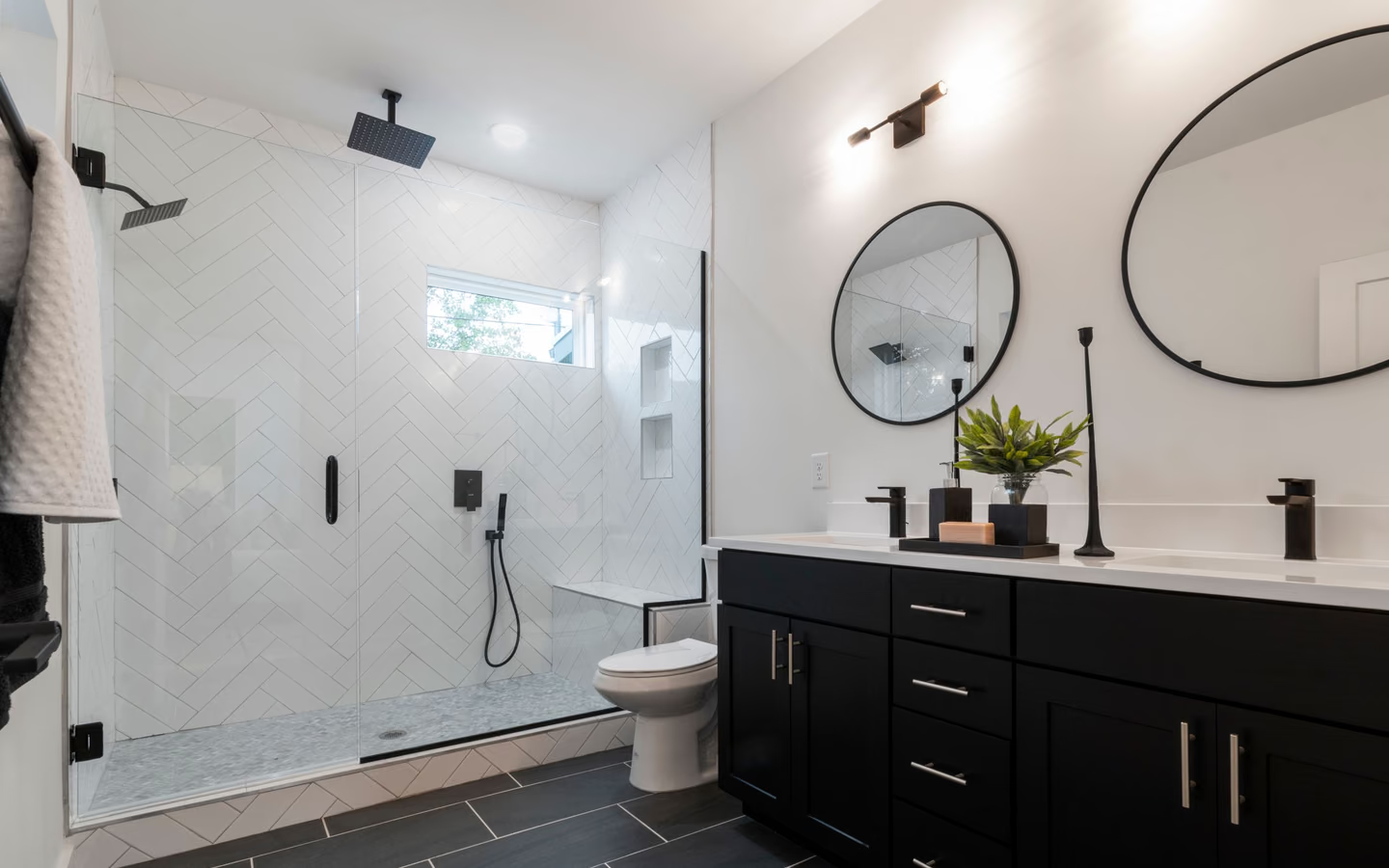
Fixture demand varies more than intuition suggests: soaking and walk-in tubs carry fill volumes that dwarf daily showers; rain heads and body sprays multiply flow; and duration is the silent multiplier, a long shower at modest flow outdrinks a short one at high flow. The project's fixture schedule, volumes and flows listed, is the demand side on one page.
Delivery has three dials: capacity, tank size or tankless rate; recovery, how fast a tank rebuilds after a soak; and distribution, the pipe run between heater and bathroom, whose length is felt as the cold wait at the tap and, in long runs, as real losses. Far bathrooms sometimes earn recirculation or point-of-support solutions; every bathroom earns the wait being measured rather than guessed.
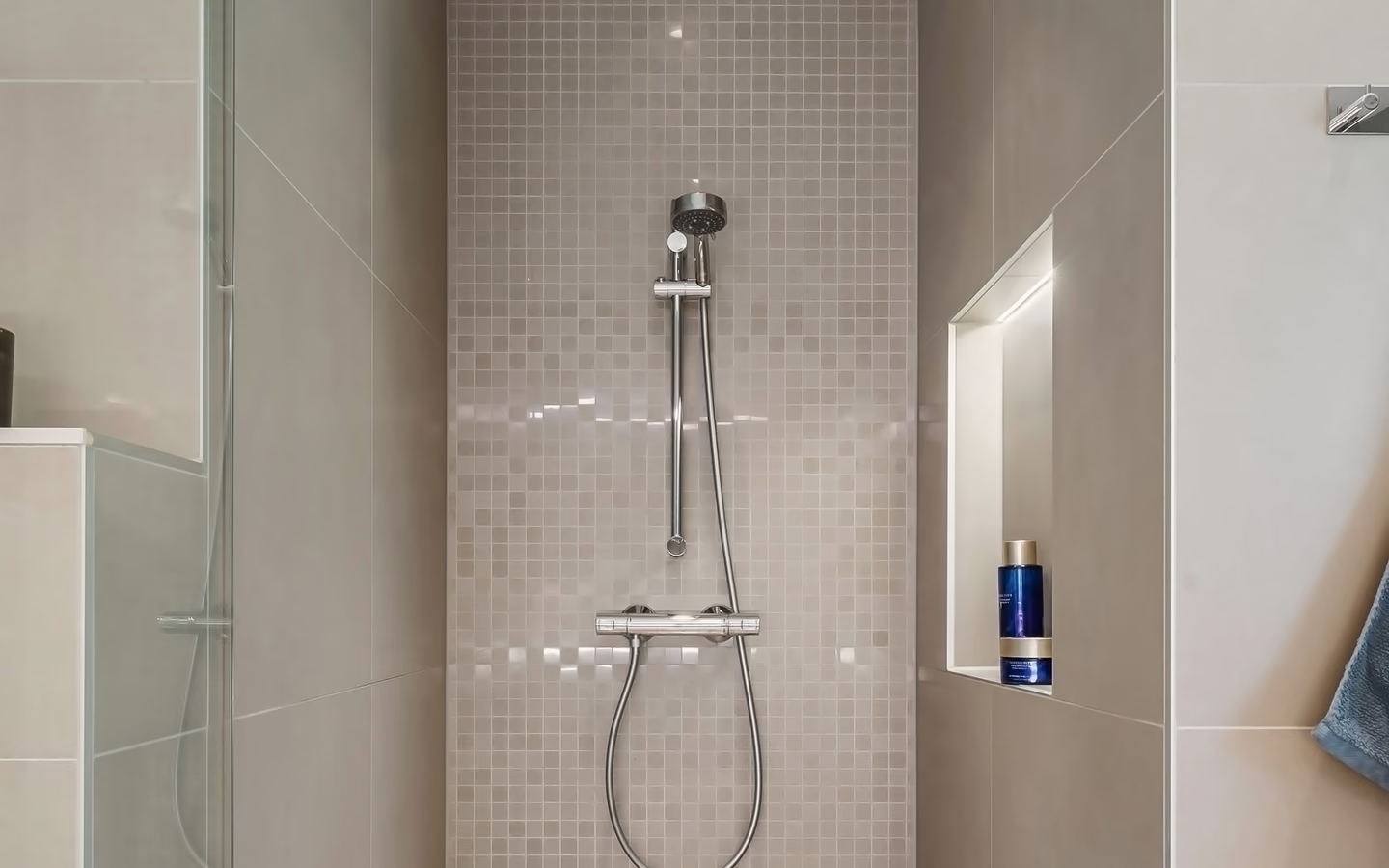
Temperature control ties safety into the math: bathing water is delivered through mixing that tempers the heater's storage temperature, and thermostatic valves at showers hold their setting as demand shifts elsewhere in the house, protection worth specifying wherever children or slow-warning skin bathe. When demand truly exceeds delivery, the honest outcomes are scheduling, staggering the big draws, or the upgrade conversation, larger or faster equipment, sized by a professional against the computed demand, in the project's budget rather than after its first cold bath.