Moisture autopilot
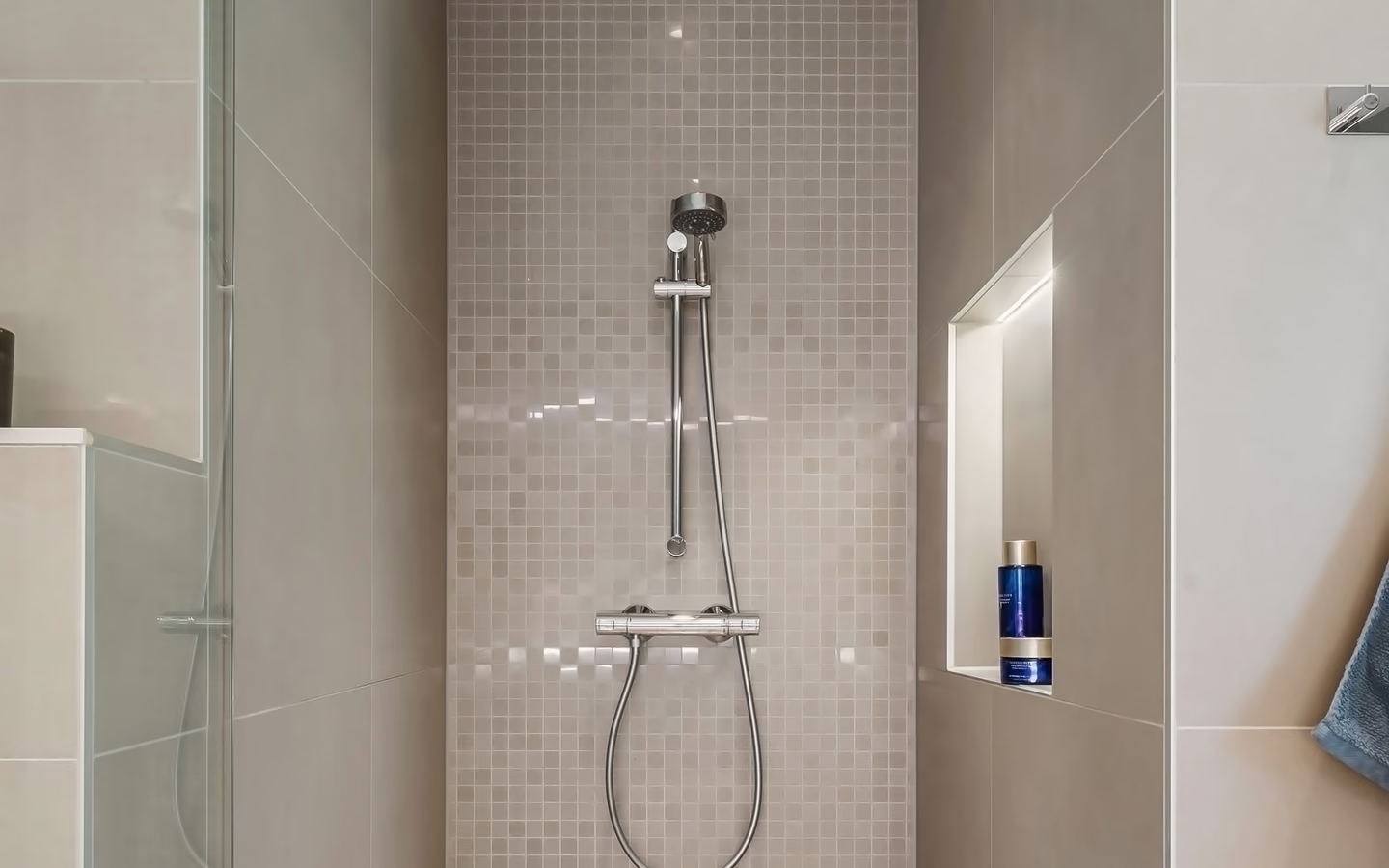
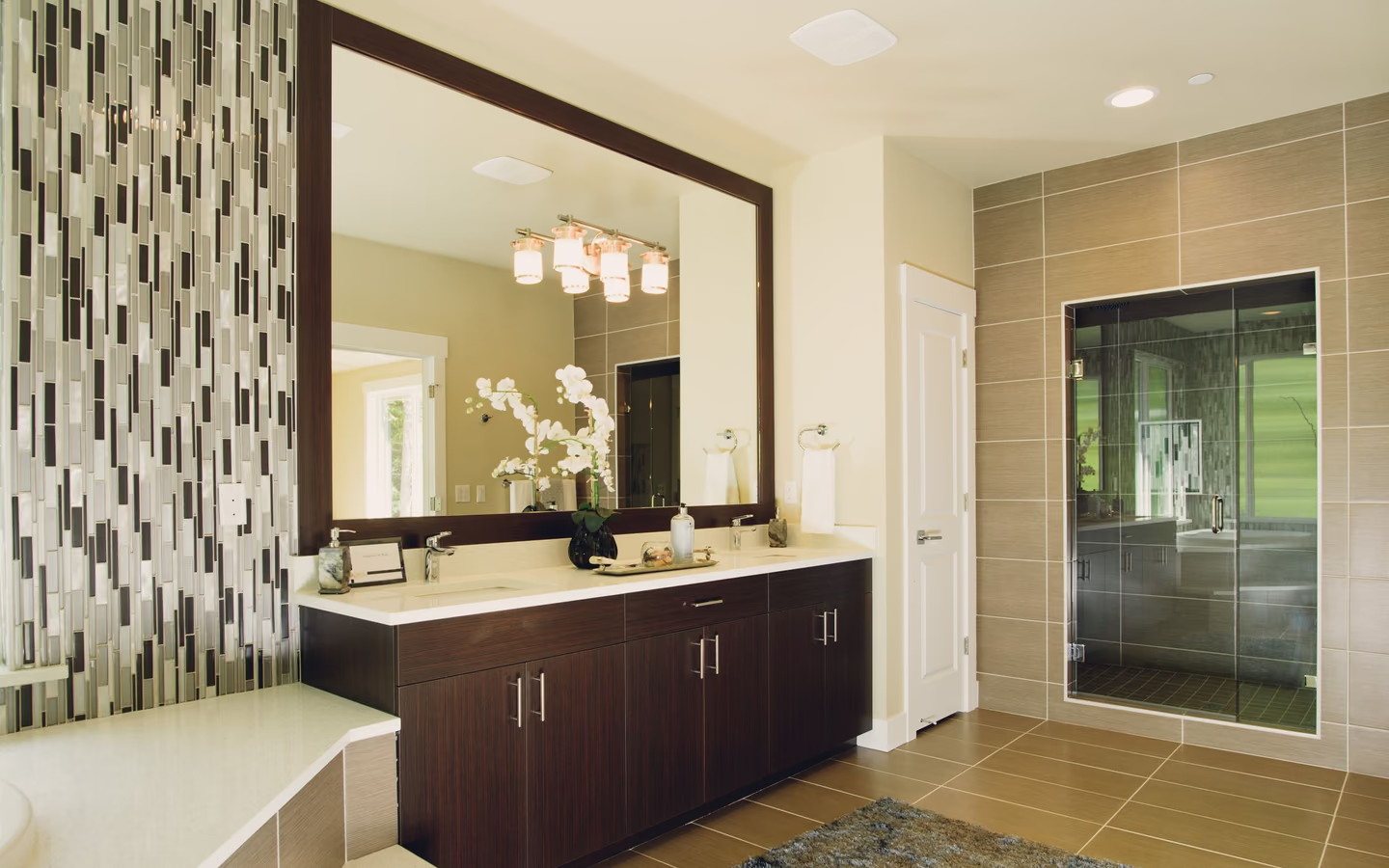
Humidity-sensing fan control plus leak sensors: the highest-value intelligence per unit cost in the room, invisible in daily life.
Smart bathroom upgrades
The bathroom is where smart-home enthusiasm meets its sternest editor: steam, splash, and 6 a.m. patience. The upgrades that survive are the ones automation genuinely does better than habit, humidity-run fans, night paths that light themselves, floors warm before alarms, water shut off when sensors smell trouble, built on the unglamorous foundation of protected power, rated devices, and controls that still work as plain switches when the app is forgotten. Everything else is a gadget drawer with grout.
Selecting the automations that pay, then wiring them honestly. The proven roster is short: humidity-sensing exhaust control, because moisture management should not depend on memory; scheduled floor-heat thermostats, because warmth belongs before feet; motion or time-driven night lighting, because sleep chemistry deserves protection; leak sensors and smart shutoff valves, because water damage compounds hourly; and voice or app conveniences layered onto lighting where hands are wet or full. Each lands on the room's electrical reality: protected circuits, devices rated for damp service, and neutral wires that older switch boxes may not offer.
The discipline is fallback design: every smart control keeps a manual gesture a guest can find, the fan runs from a switch, the lights toggle without ceremony, because a bathroom that requires onboarding fails its species. Standards choice matters less than sticking to one ecosystem the household already lives in.
Plumbing-side intelligence, digital shower valves, smart toilets and seats, adds comfort at appliance prices with power requirements at the fixture: outlets where none traditionally lived, planned during renovation rather than extension-corded afterward. Labeled efficient fixtures remain the base layer; intelligence meters water better but the label saves it.
Expect an electrical reality check at each control point, neutrals, protection, box depth, device selection rated for the room's damp service, installation of the core roster as chosen, humidity fan control, heat scheduling, night lighting, leak sensing, and configuration that survives the household: schedules set, fallbacks verified, and the app's role reduced to adjustment rather than operation. Renovation-timed projects add outlet placement for present or future smart fixtures while walls cooperate.
Water-side devices scale from stick-on leak sensors through valve-mounted auto-shutoffs, the latter earning plumbing hours and panel conversations; toilet-seat comforts ask only for the outlet nobody installed in 1985, which renovations now install by default.
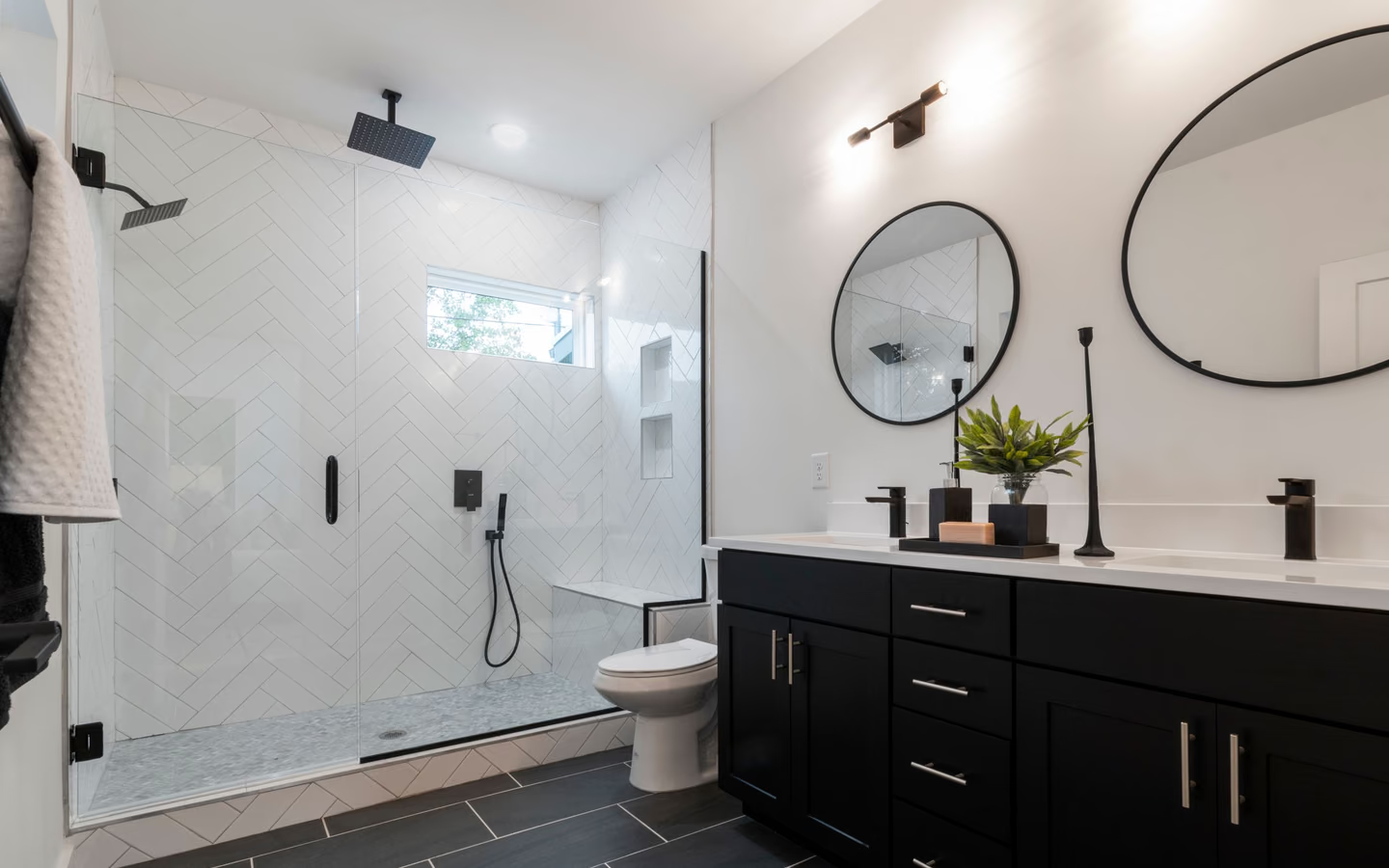
Smart scope divides by what each upgrade touches. The families differ in wiring depth.
| Topic | The family involves | Its honest prerequisite |
|---|---|---|
| Control swaps | Humidity fan controls, smart switches and dimmers, heat thermostats in existing boxes. | Neutral conductors and box space; older switch legs sometimes lack both. |
| Sensing layer | Leak sensors at water history's addresses, motion for night paths, humidity beyond the fan. | Placement thinking and battery or power honesty; sensors fail silent when forgotten. |
| Active water control | Smart shutoff valves and monitored manifolds closing water on alarm. | Plumbing installation, power at the valve, and household buy-in on the alerts. |
| Fixture intelligence | Digital shower controls, smart toilets and seats, lighted mirrors with brains. | Outlets and sometimes dedicated circuits at fixtures, planned during renovation. |
Humidity-sensing fan control plus leak sensors: the highest-value intelligence per unit cost in the room, invisible in daily life.
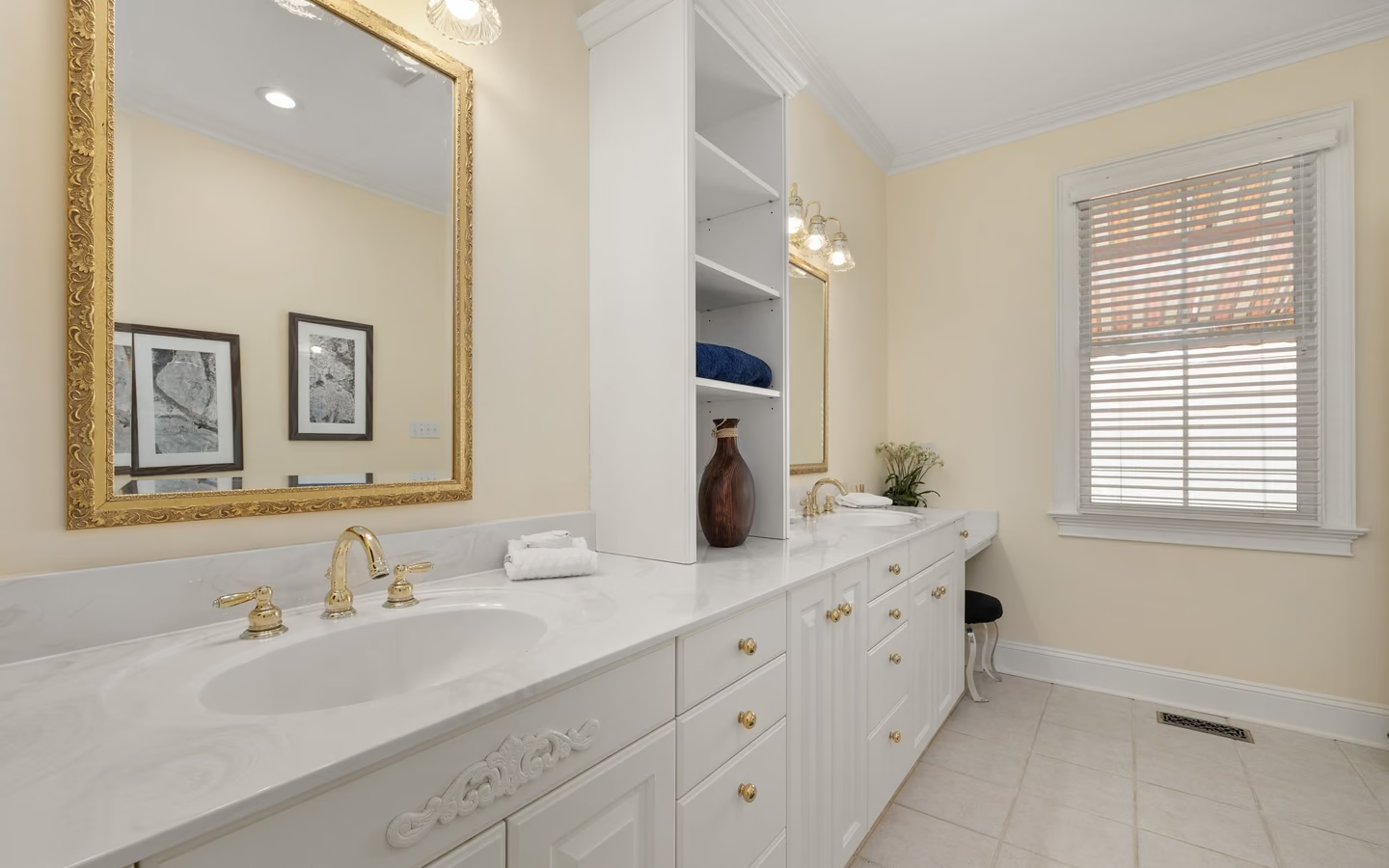
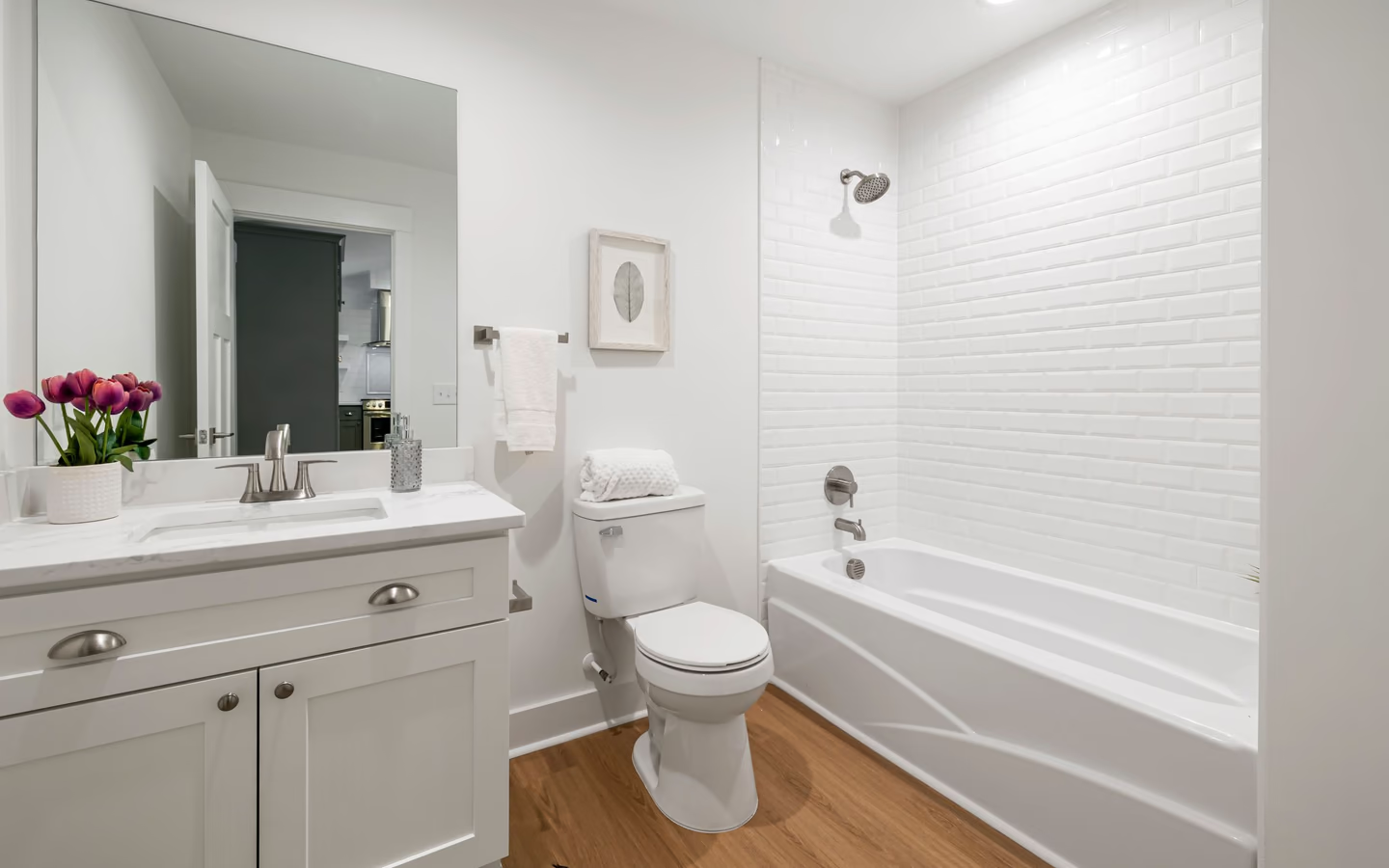
Floor-heat thermostats and night lighting on the household's real clock: warmth and wayfinding that precede the humans.
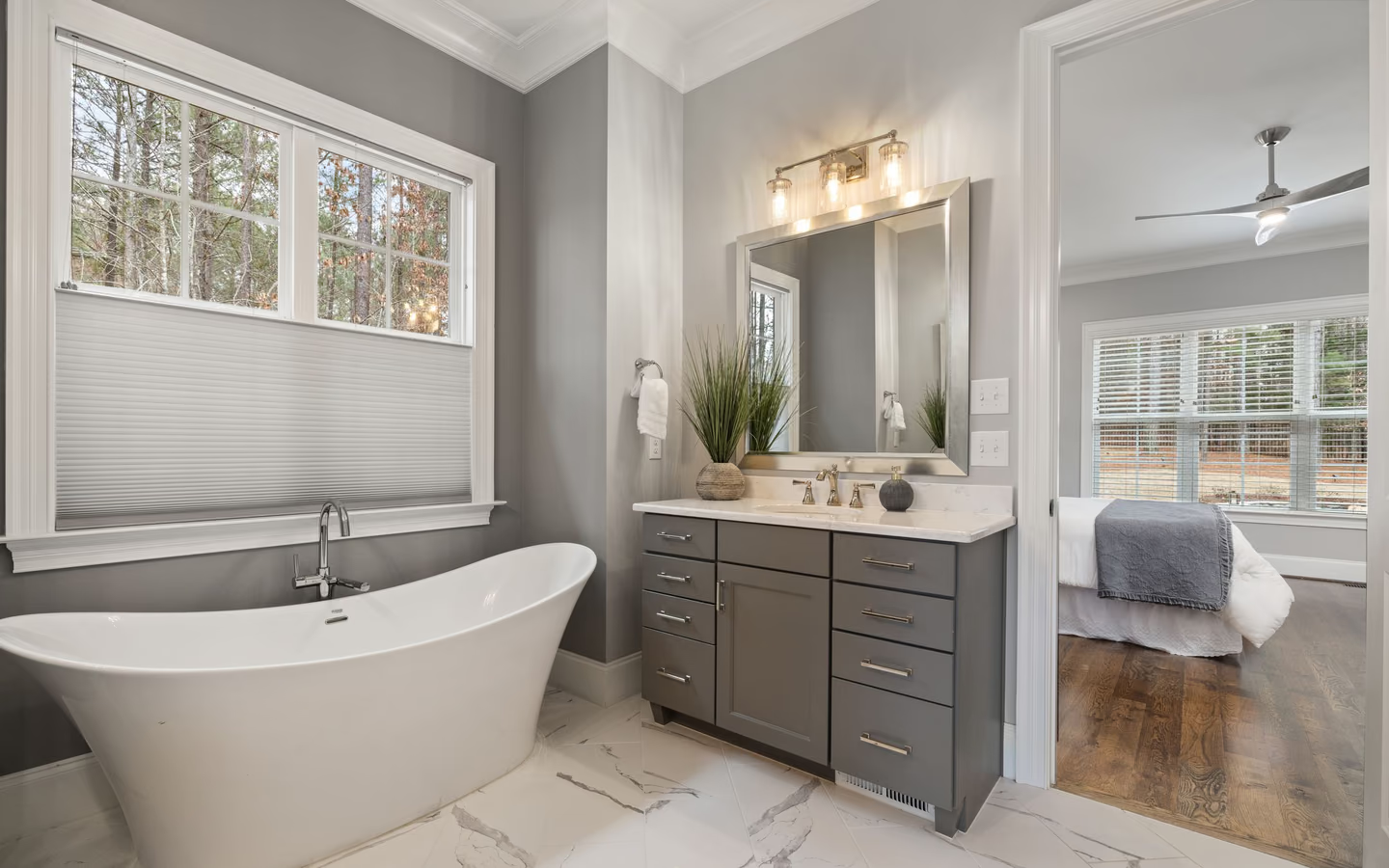
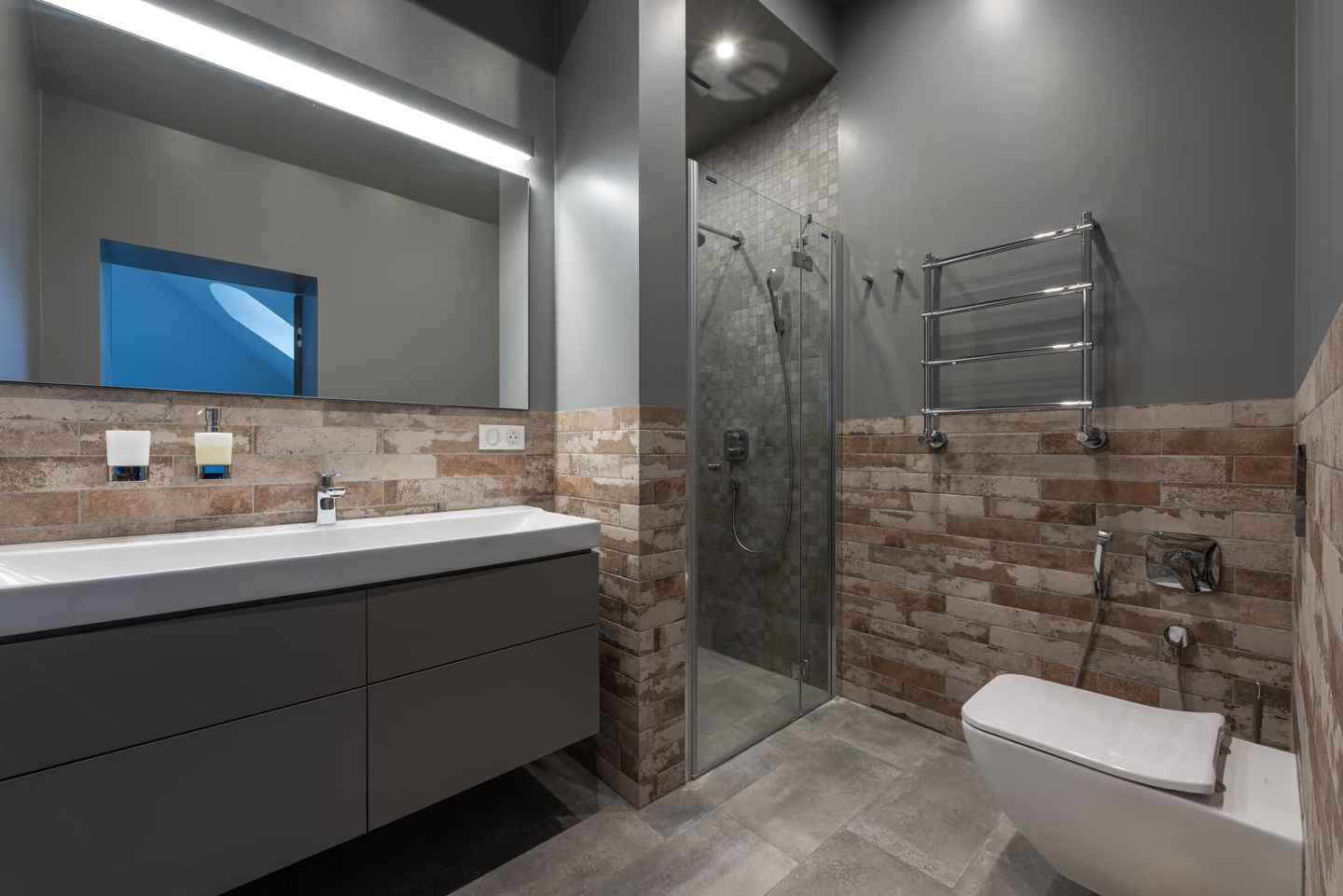
Auto-shutoff valving with sensing at the usual suspects: insurance-grade protection bought as plumbing plus configuration.
Neutrals confirmed, outlets placed at fixtures, and the core roster installed while walls are open: intelligence provisioned at its cheapest hour.
Four layers, each valuable alone, coherent together.
The CallBathroom room view
Select a planning zone to see why visible choices and concealed systems need one coordinated scope.
Start with door swing, circulation, fixture clearances, and the paths people use most often.
Wiring depth prices the intelligence: control swaps into cooperative boxes are modest labor, neutral-less or shallow boxes add electrical hours at published trade rates, valve-grade water control adds plumbing installation, and fixture intelligence prices as outlets-plus-appliance. Device cost scales with ambition, but the durable spend is provisioning, neutrals, outlets, protection, which renovation timing discounts steeply.
The value ledger runs opposite to gadget pricing: humidity control and leak protection, the cheapest tiers, carry the largest expected returns. Regional price levels move labor as ever; quotes following a box-and-panel check are the ones wired to your walls.
Turn decisions into a clearer brief
Organize what should stay, what needs to change, and which measurements or conditions still need professional verification.
The habit-failure list writes the roster; enthusiasm is filtered by what automation genuinely does better.
Neutrals, protection, and depth checked at every control point; the wiring truth edits the shopping list.
Controls, sensors, and any valve work land per their ratings and rules, inspections met where circuits change.
Outlets and any dedicated lines reach fixture positions during renovation's open walls, future intelligence pre-paid.
Schedules, sensitivities, and alert routes set to real life; the app becomes adjustment, not operation.
Wet hands, dark arrivals, and briefing-free visitors verify the fallbacks; the room passes as a bathroom first.
Box findings, neutrals, protection, stated per control point
Damp ratings named for the room's devices
Fallback behavior described for every automation
Valve work scoped as plumbing where water control is real
Gadget lists with no wiring conversation
Automations that brick to app dependence
Water-control promises without plumbing hours
Common questions
Humidity-sensing fan control, almost universally: it automates the room's most consequential habit failure at modest cost, runs certified ventilation to actual dryness, and disappears into daily life. Leak sensing follows as the cheapest insurance in the house.
Where boxes offer neutrals and depth, swaps are straightforward; older switch legs without neutrals narrow choices to devices designed for them or earn a wiring visit. The box check before buying prevents the drawer of incompatible intelligence.
Devices rated for damp service, installed on protected circuits per the wet room's standards, coexist with steam politely; the ratings and protection are the safety story, not the brand's app. Unrated gadgets over splash zones are corrosion content in progress.
Well-chosen devices keep their local behavior: switches switch, humidity logic runs, schedules persist, and only remote conveniences pause. Any device that abandons its post offline belongs in a demo reel, not a bathroom.
For homes with travel habits, upper-floor bathrooms, or water history, they are the intelligence with the largest single payoff: minutes of response instead of hours of absorption. They install as real plumbing with power, which is why they price above stick-on sensors.
They need the outlet tradition never placed at the toilet: a protected receptacle within the fixture's reach, trivially planned during renovation and awkward afterward. The fixture's comfort features are appliance electronics; the provisioning is the project.
Not if fallback discipline held: every automation behind a normal gesture, switches that toggle, fans that respond, lights that behave. Guests should experience a bathroom that happens to be clever, never cleverness that happens to contain plumbing.
Control swaps land in an electrician's focused visit; sensing layers configure in an afternoon; valve installations add a plumbing appointment; renovation packages ride the remodel's calendar at marginal days. Configuration to the household is the real final stage.
Research & methodology
References supporting the planning guidance on this page.
Your clearer next step
You do not need a finished drawing, complete product list, or every design decision before the first call. Be ready to describe the current room, what is not working, and your priorities for bathing, storage, lighting, access, style, budget, or timing.