What the test usually reveals
Distance and direction matter more than the fixture. A short move along the same wet wall keeps drainage logic intact and prices modestly; a cross-room move rebuilds that logic through framing that never expected it. Toilets carry the strictest geometry, showers follow, and sinks are the most forgiving movers, which is why good redesigns often move the sink and leave the heavy fixtures anchored.
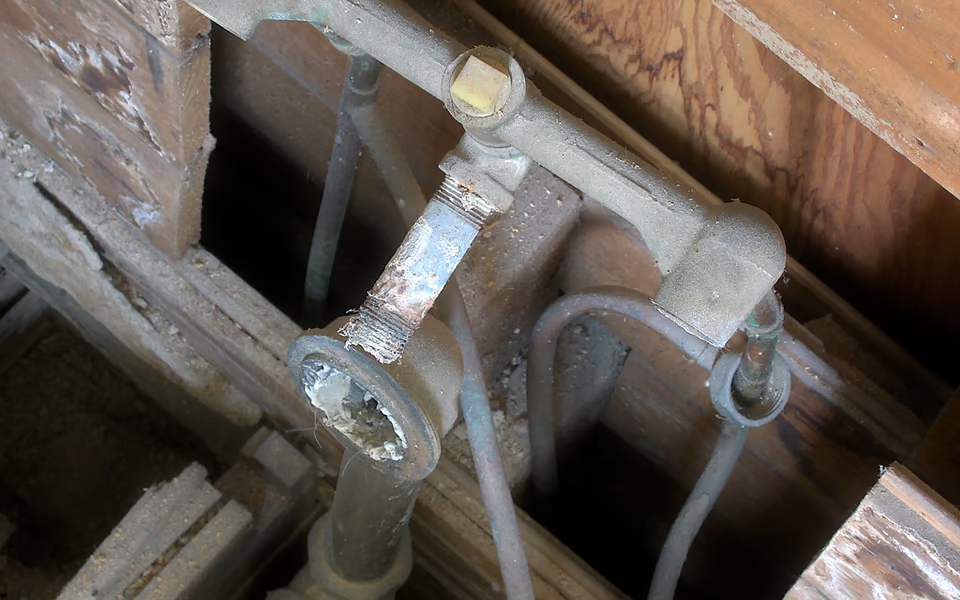
Ride-along costs decide marginal cases. The route's demolition and restoration frequently exceed the trade work itself, and a move that opens a downstairs ceiling has quietly doubled. Homes with accessible framing below price differently from slab and finished-below conditions; the same move can be reasonable in one house and indefensible in its neighbor.
The test's other honest outcome: some moves are worth it. A layout that fails daily, a bathing zone the household cannot use, an entry that embarrasses the plan, these are functional deficits that finishes cannot buy back, and rooms carry their layouts for decades. When the problem sentence is strong and the route is sane, the move is the renovation's best money.