
Accessibility
Walk-in tub or curbless shower?
For most access needs, the curbless shower: instant entry, no fill-and-drain wait, caregiver-friendly, and design-forward. The walk-in tub earns its place for one specific user: the seated soaker for whom warm immersion is the therapy and the goal. Match the fixture to the bathing the person actually wants, not to the category both share.
The direct answer
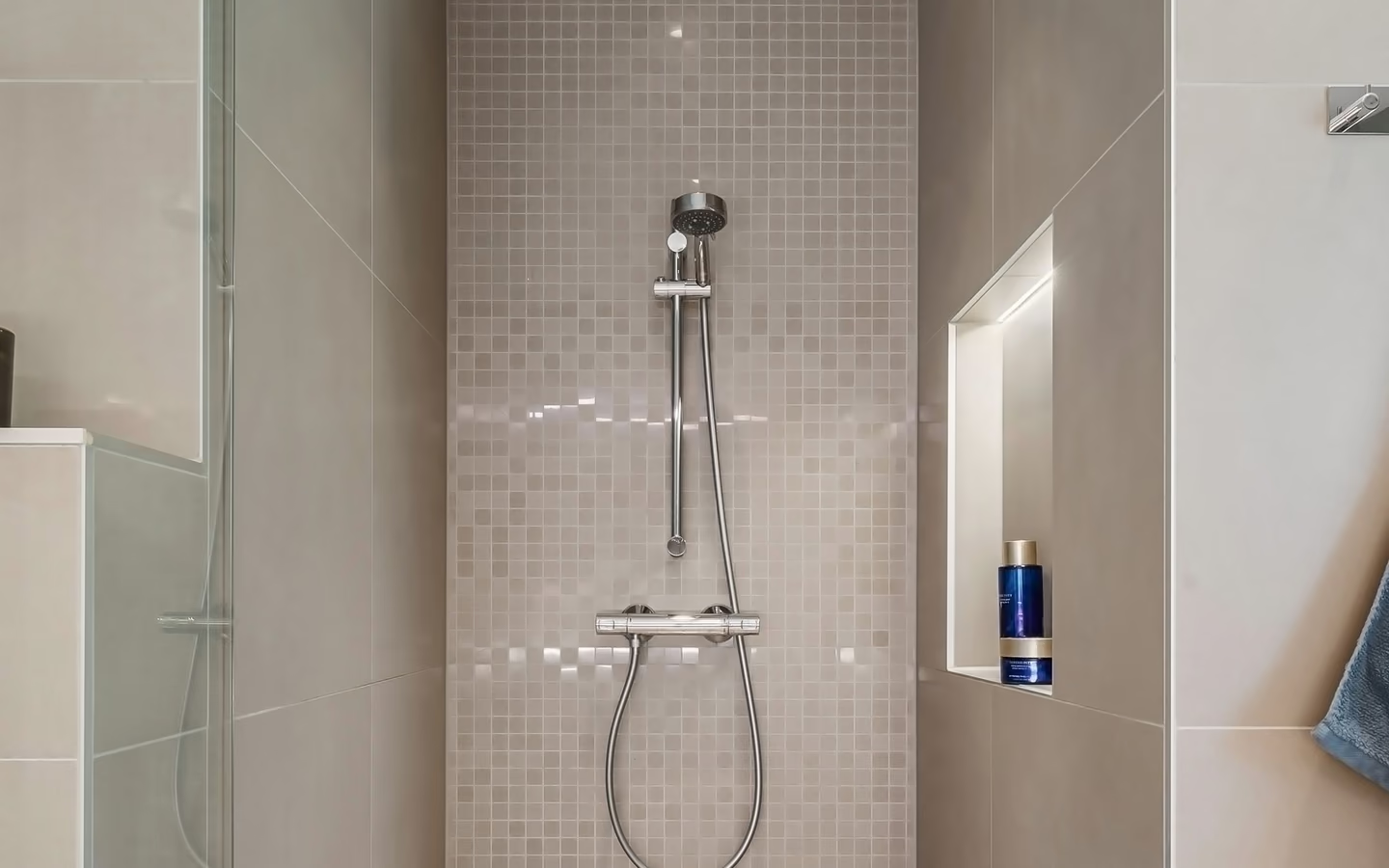
The curbless shower answers mobility broadly: a level threshold admits wheels, walkers, and assistance; bathing starts the moment water does; seats, hand showers, and supports per access guidance complete a zone that serves quick daily hygiene and assisted care alike. The walk-in tub answers immersion specifically: a sealing door replaces the climb, a built seat holds the bather, and warm soaking, for arthritis, circulation, or plain preference, happens safely, at the price of sitting through fill and drain, hot-water capacity planning, and an appliance's electrical and maintenance realities.
The deciding question is the bathing itself: if showers are the routine and immersion is occasional, the curbless build wins on every axis including cost; if soaking is the point, the tub's waits are the fair price of the only fixture that delivers it seated and safe.
Cost shapes of the two paths
The curbless build spends on floor structure and drainage, construction that appraises as premium bathroom; the walk-in tub spends on the appliance and its accommodations, circuits, possible heater upgrades, and surround rework. Totals often land in similar territory; what differs is where the money lives and how it resells.
Operating differences matter to daily patience: the shower's costs are ordinary, while the tub adds fill volumes, heater draw, and the time cost of its cycles, which the right user gladly pays and the wrong user resents monthly.
The two fixtures on the axes that decide
| Topic | Curbless shower | Walk-in tub |
|---|---|---|
| Entry | Level threshold; roll or walk straight in. | A low door with a step-over sill into the vessel. |
| The bathing act | Immediate water, standing or seated, quick or long. | Seated immersion, entered dry, exited drained. |
| Caregiver reality | Open access from any side glass allows. | Assistance through a doorway into a fixed seat. |
| House systems | Ordinary supply and drain, engineered floor. | Hot-water capacity, dedicated circuits, gasket care. |
Questions for either path
- Walk me through this user's bath, start to finish
The narrated experience, entry, water, exit, exposes which fixture fits the actual person.
- For the tub: what does my water heater need to be?
Volume math out loud prevents the cold-shouldered soak the brochure omits.
- For the shower: what does my floor structure allow?
Recess or build-up feasibility is the curbless path's first honest gate.
Common questions
Frequently asked questions
Can a bathroom have both?
Generous rooms host a curbless shower and a soaking or walk-in tub as separate zones, and the pairing serves mixed needs beautifully. Compact rooms choose; the bathing-desire question chooses well.
Which resells better?
Curbless showers read as universal premium and suit the broadest buyers; walk-in tubs read as specific equipment to some markets. Where resale weighs heavily and soaking is optional, the shower's breadth usually wins.
Sources and methodology
Research & methodology
Sources
References supporting the planning guidance on this page.
- Occupational Employment and Wage StatisticsU.S. Bureau of Labor Statistics
- Ventilation FansENERGY STAR
- Guide to the ADA Accessibility Standards: Bathing RoomsU.S. Access Board
- Bathroom Planning GuidelinesNational Kitchen & Bath Association
Share your project. Call when ready.
Turn your research into a clear project request
Share your project, full service address, and contact details securely, then call when you are ready to discuss availability with an independent professional.