Accessibility and long-term use comparison

Two bathing answers, one specific user

The walk-in tub and the low-threshold shower answer the same worry, bathing safely with changing mobility, through opposite philosophies: seated immersion behind a door versus open, stepless washing. This comparison works through stepping, transfer, standing endurance, seating, waiting, reach, assistance, hot water, structure, cleaning, and escape, for your user, ideally with specialist input.

How to run the comparison

Profile the user first: standing endurance for a shower's duration; the ability to step over a low door sill and pivot to sit; tolerance for sitting wet through fill and drain waits; reach and grip for controls; and whether bathing is ritual or hygiene. The formats reward different profiles, and the profile, not the showroom, should pick the winner.

Then weigh the assistance and emergency dimensions squarely: a shower's openness admits a caregiver at every stage and permits fast exit; a tub's door creates a sealed space whose exit requires draining. For users who bathe alone, the escape question deserves an adult conversation; for assisted bathing, caregiver geometry often decides the whole comparison.

Where each format honestly wins

The walk-in tub wins immersion: warm-water soaking for arthritis, circulation, and ritual, seated security throughout, and bathing without standing endurance. Its frictions are the waits, seated and wet, while water rises and drains, the door seal as a maintenance component, hot-water demand for a full seated fill, and single-bather geometry that occupies a full tub footprint.

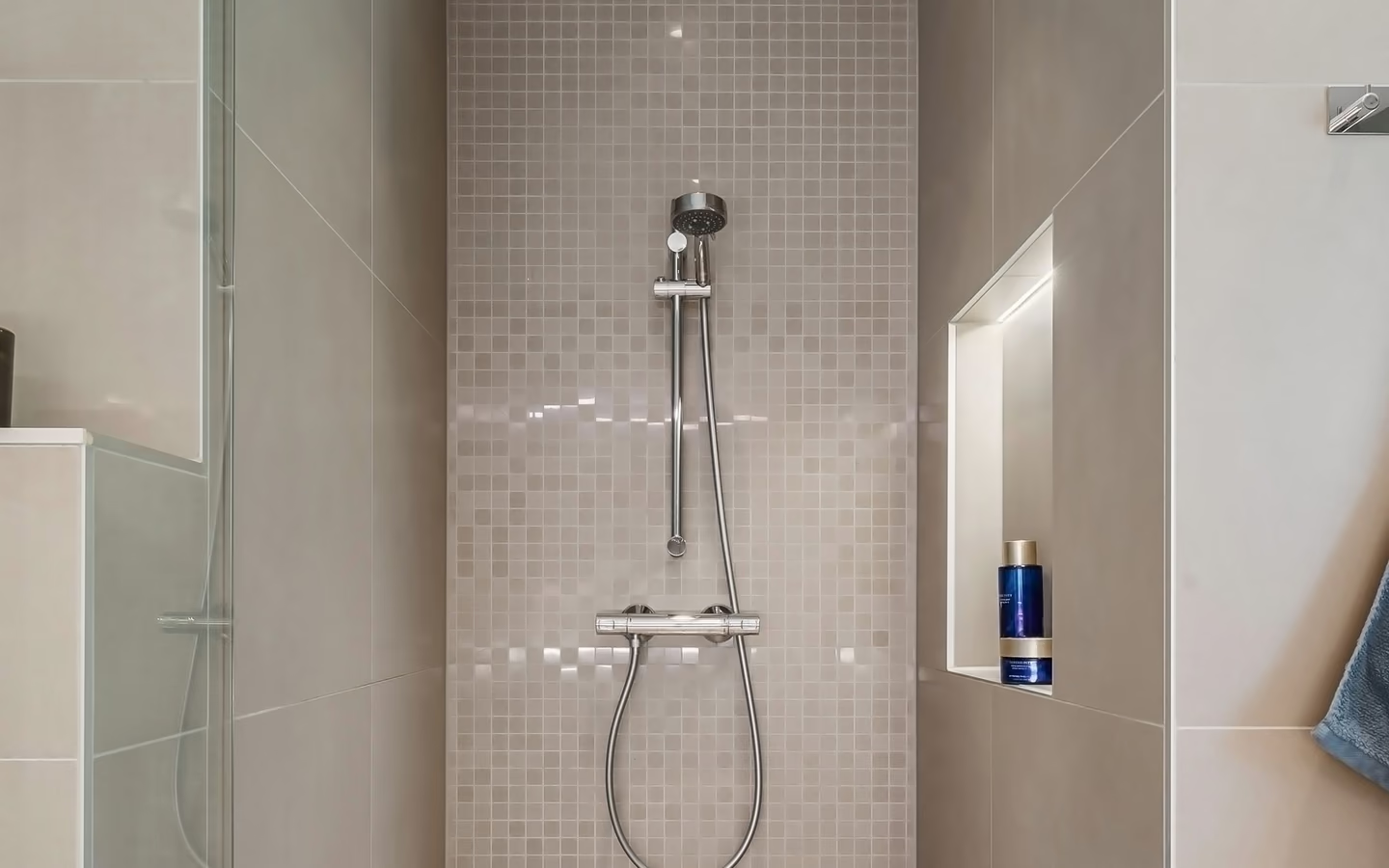
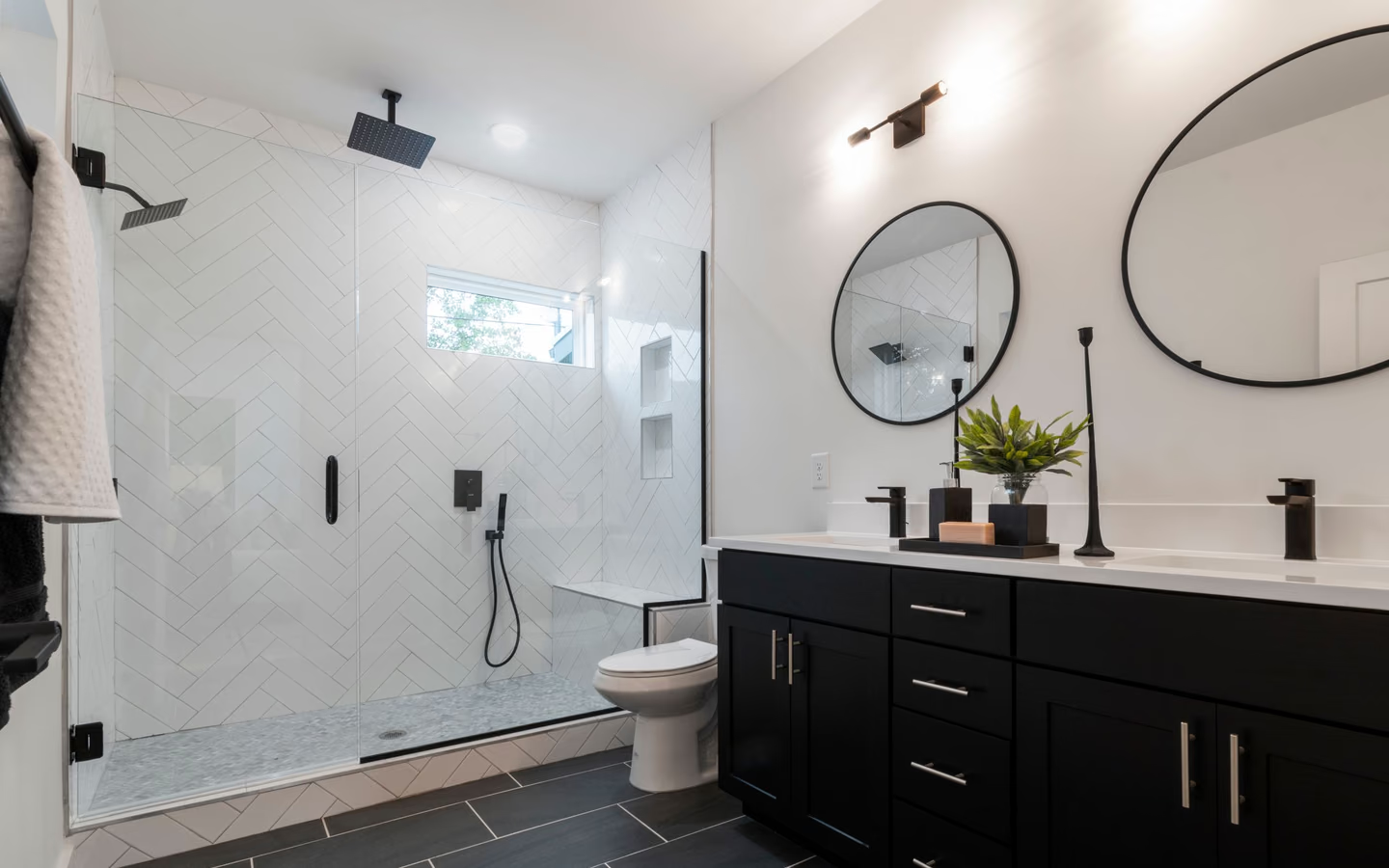
The low-threshold shower wins throughput and flexibility: entry without any climbing, assistance access from any side, seating by choice rather than by design, quick washing without waits, and easier cleaning. Its demands are standing or seated-transfer capability, spray tolerance, and the floor work that level entries require; a quality seat and handheld close most of the gap to seated bathing.

The house votes too: the tub wants floor structure for filled weight, power for its features, and a heater sized for its volume; the shower wants drainage geometry and floor work at the entry. And the future votes last: showers generally absorb changing needs, wheels, caregivers, equipment, more gracefully, while tubs serve their specific profile superbly and narrow as needs move beyond it.
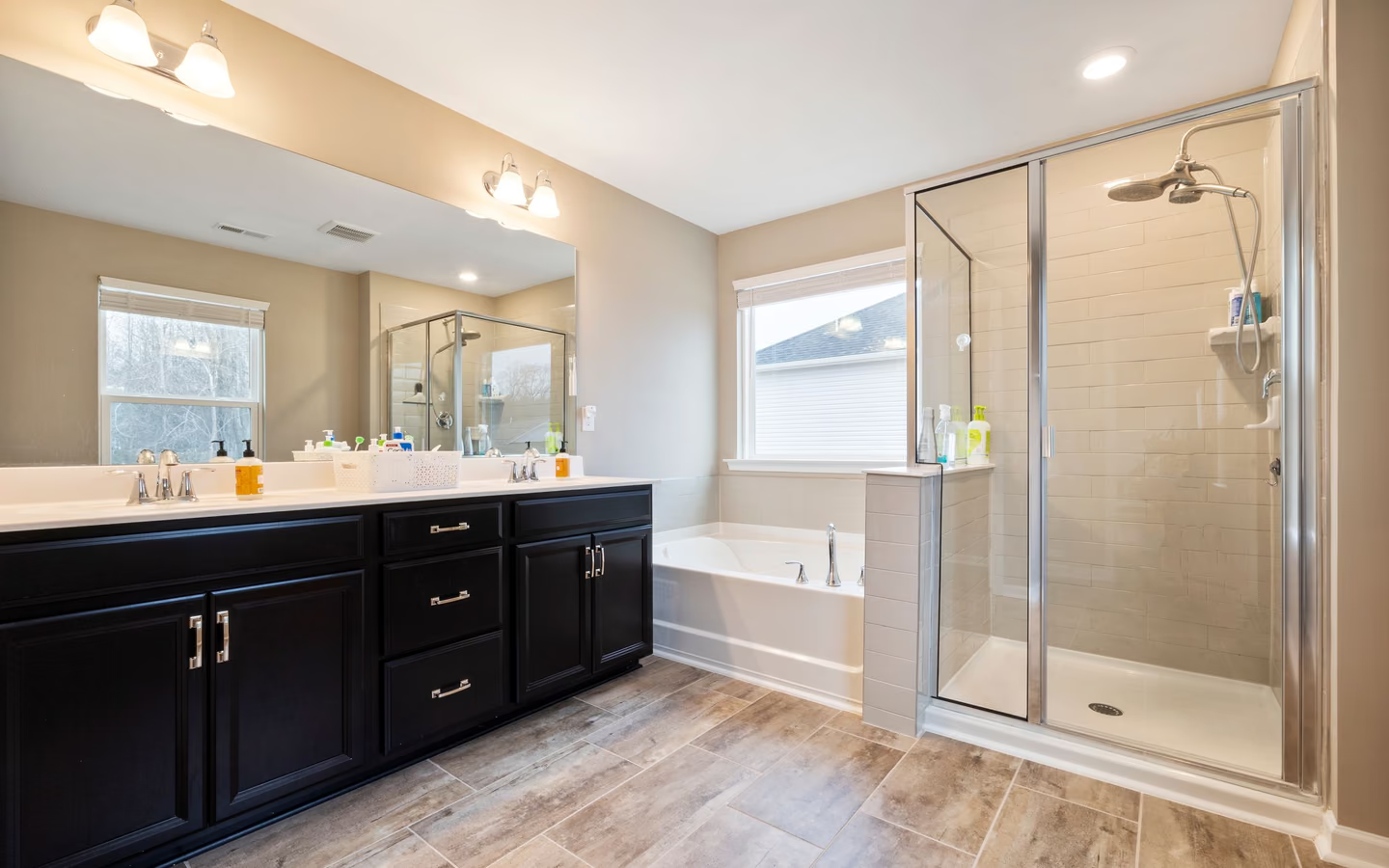
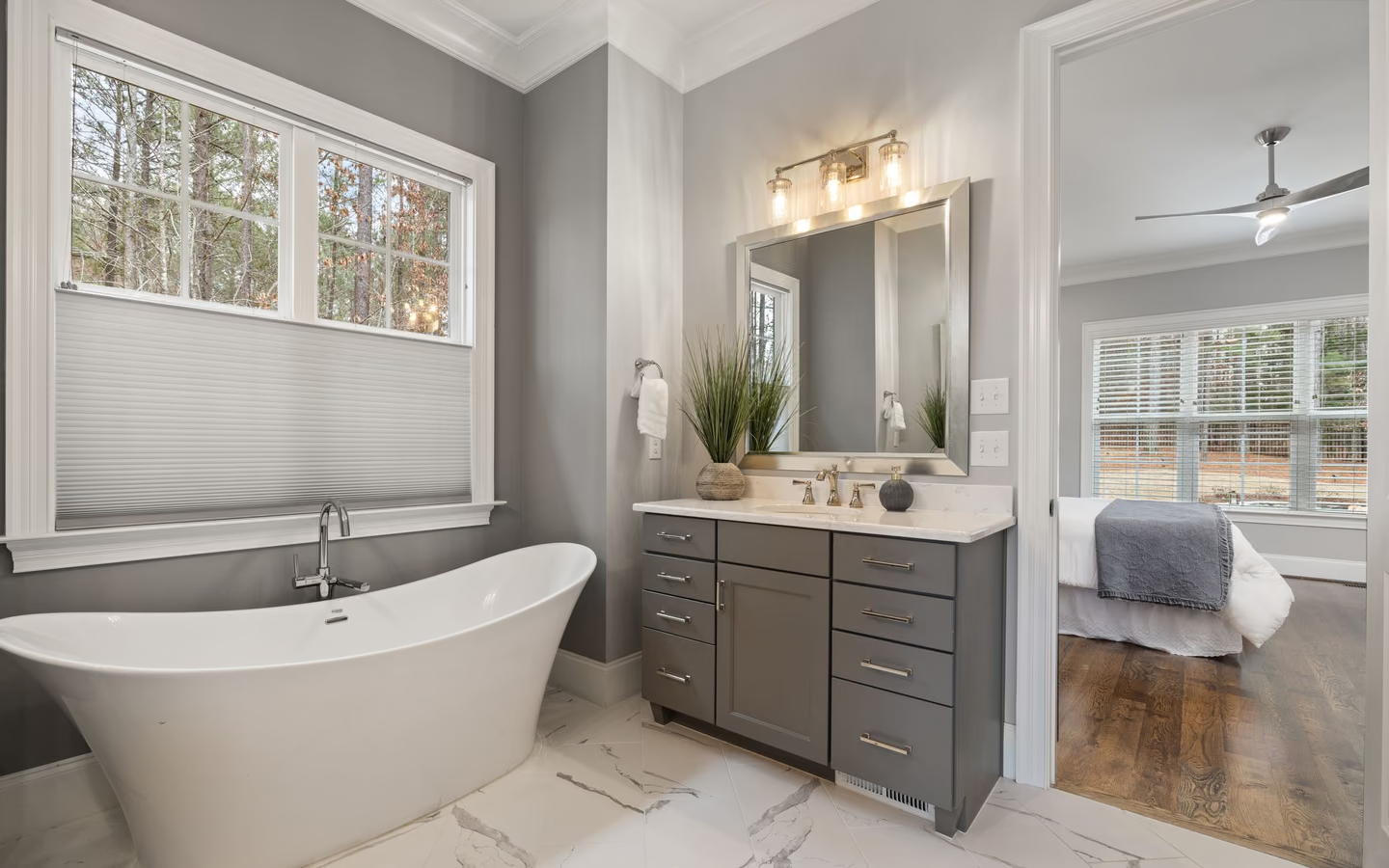
Spacious bathroom with a dark double vanity, bathtub, glass shower, and natural light
Spacious bathroom with a dark double vanity, bathtub, glass shower, and natural light.

The comparison, dimension by dimension

Score your user down the rows; the pattern usually resolves by the sixth.

Walk-in tub and low-threshold shower compared per user dimension.
TopicWalk-in tubLow-threshold shower
EntryLow sill through a door; pivot to seat.Stepless or near-stepless; walk, wheel, or assist.
The waitSeated through fill and drain, by design.None; water on demand.
AssistanceConstrained by the door and shell.Open access from any side, any stage.
ImmersionThe format's whole point: seated soaking.Not offered; handheld and seat approximate comfort.
House demandsFloor load, power, and hot-water volume.Entry floor work and drainage geometry.
Changing needsServes its profile; narrows beyond it.Absorbs equipment and caregivers gracefully.

Decision list for the two formats

Complete these with the user, and with specialist input where needs are complex.

The user

  • Standing endurance and transfer ability assessed honestly

  • Immersion's value to this person named

  • Wait tolerance and warmth during waits considered

The house

  • Hot-water capacity computed for any tub fill

  • Floor structure and power verified for tub features

  • Entry floor work scoped for any level shower

The decision

  • Both formats quoted for the same bathroom

  • Escape and assistance scenarios talked through

  • Specialist assessment obtained where it would change the answer

Bring these questions to the conversation

  • Given this user's profile, which format would you build for your own parent?

    The question that cuts through inventory incentives. The reasoning in the answer is the consultation's real value.

  • What are the honest wait times and warmth story for this tub in my house?

    Fill and drain at your pressure, seated and wet. The format's satisfaction lives or dies in this answer.

  • How would a caregiver actually assist in each format, in this room?

    Geometry, not intention: where they stand, what they reach, what stays dry. Walk it through per format before choosing.

  • What does each option cost to undo or adapt in ten years?

    The reversibility question. Showers tend to absorb change; tub shells tend to be replaced. The decade answer belongs in the decision.

Common questions

Frequently asked questions

Is one format safer than the other?

Safety is user-specific: the tub removes standing from bathing entirely, which serves some profiles decisively; the shower removes waits, seals, and exit constraints, which serves others. The honest answer comes from the user's assessment, not the category's marketing.

Can we have both immersion and stepless showering?

Households with space sometimes keep both formats across two bathrooms, or pair a low-threshold shower with a conventional tub elsewhere for the soaking ritual. Where one room must decide, the daily routine, not the occasional wish, should cast the vote.

Sources and methodology

Research & methodology

Sources

References supporting the planning guidance on this page.

  1. Government sourceAccessed
  2. Bathroom Planning GuidelinesNational Kitchen & Bath Association
    Trade sourceAccessed

Share your project. Call when ready.

Turn your research into a clear project request

Share your project, full service address, and contact details securely, then call when you are ready to discuss availability with an independent professional.