Showers and bathtubs guide

Evaluate the walk-in tub for one bather

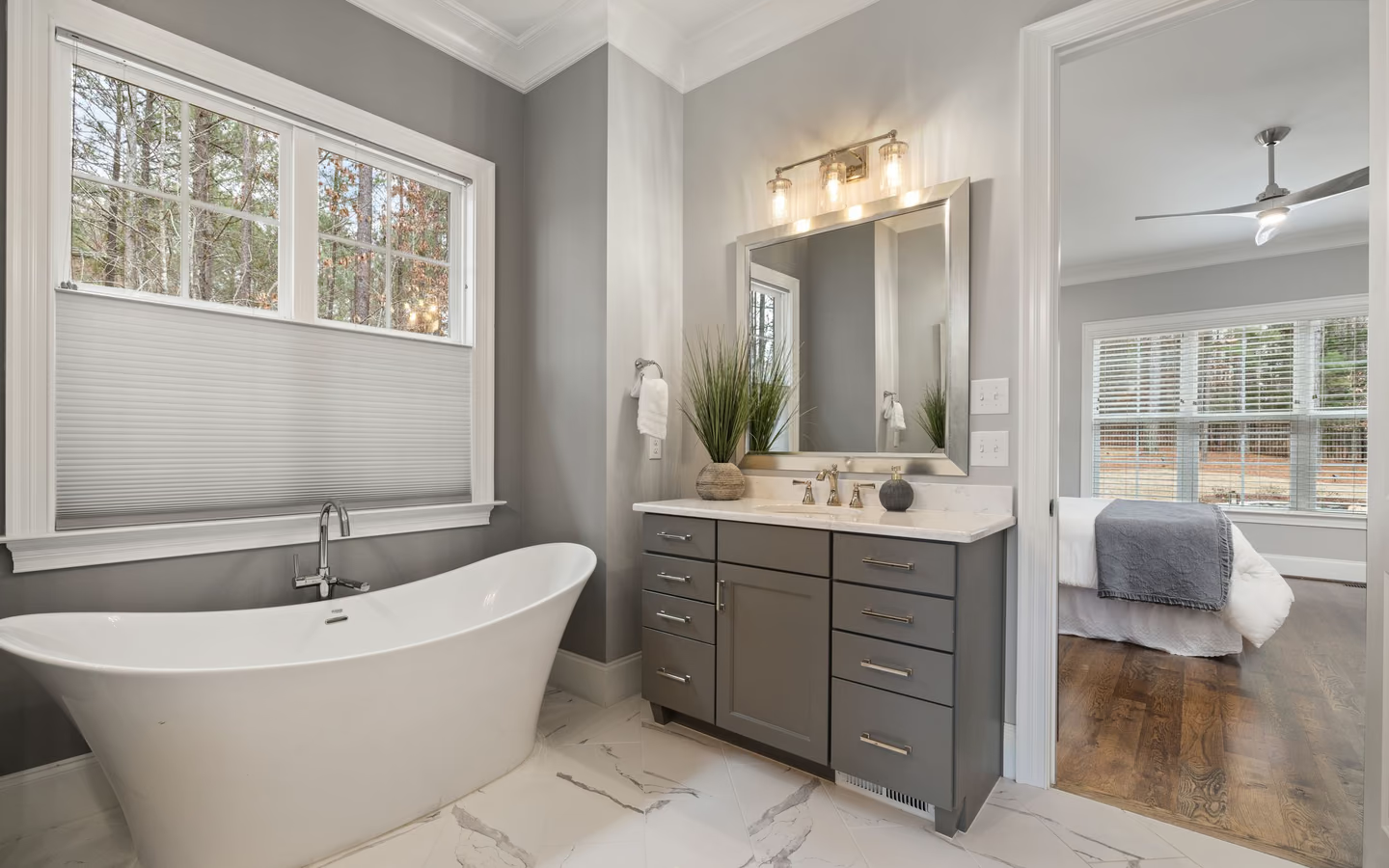
Walk-in tubs solve a specific problem, seated bathing without climbing a tub wall, and the evaluation should stay that specific: this bather's transfer, this door swing, this seat height, fill and drain wait times, hot-water capacity, floor support, power needs, and maintenance, weighed against alternatives, without universal claims in either direction.

How to run the evaluation

Start from the bather's actual sequence: approach, door operation, the step-in height that remains, the turn and lower to the seat, the wait while water rises, the bathing itself, the drain wait before the door opens, and the exit. Walk the sequence mentally with the real person, their balance, patience, and cold tolerance included, because the format's tradeoffs live in that sequence, not in the brochure.

Then run the house checks that decide feasibility: fast fill and drain hardware helps the waits but demands supply and drain capacity the home must actually have; heated seats and jets want power planned; the filled unit's weight wants a floor structure answer; and the hot-water question is central, since a comfortable fill seated in place needs sustained warm supply, not a heater's optimistic first minutes.

The tradeoffs stated plainly

The format's genuine strengths: entry without climbing, seated security, handholds and low thresholds designed in, and for many bathers the return of bathing independence that a standard tub took away. For households where a daily bath is therapy, routine, or joy, these strengths are not marketing, they are the whole point.

The honest frictions: the bather sits while water rises and again while it drains, door seals are maintenance components whose failure is a flood, the seated posture suits some bodies and bores others, and the units occupy standard tub footprints while serving one bather at a time. None of these is disqualifying; all of them belong in the decision while it is still a decision.

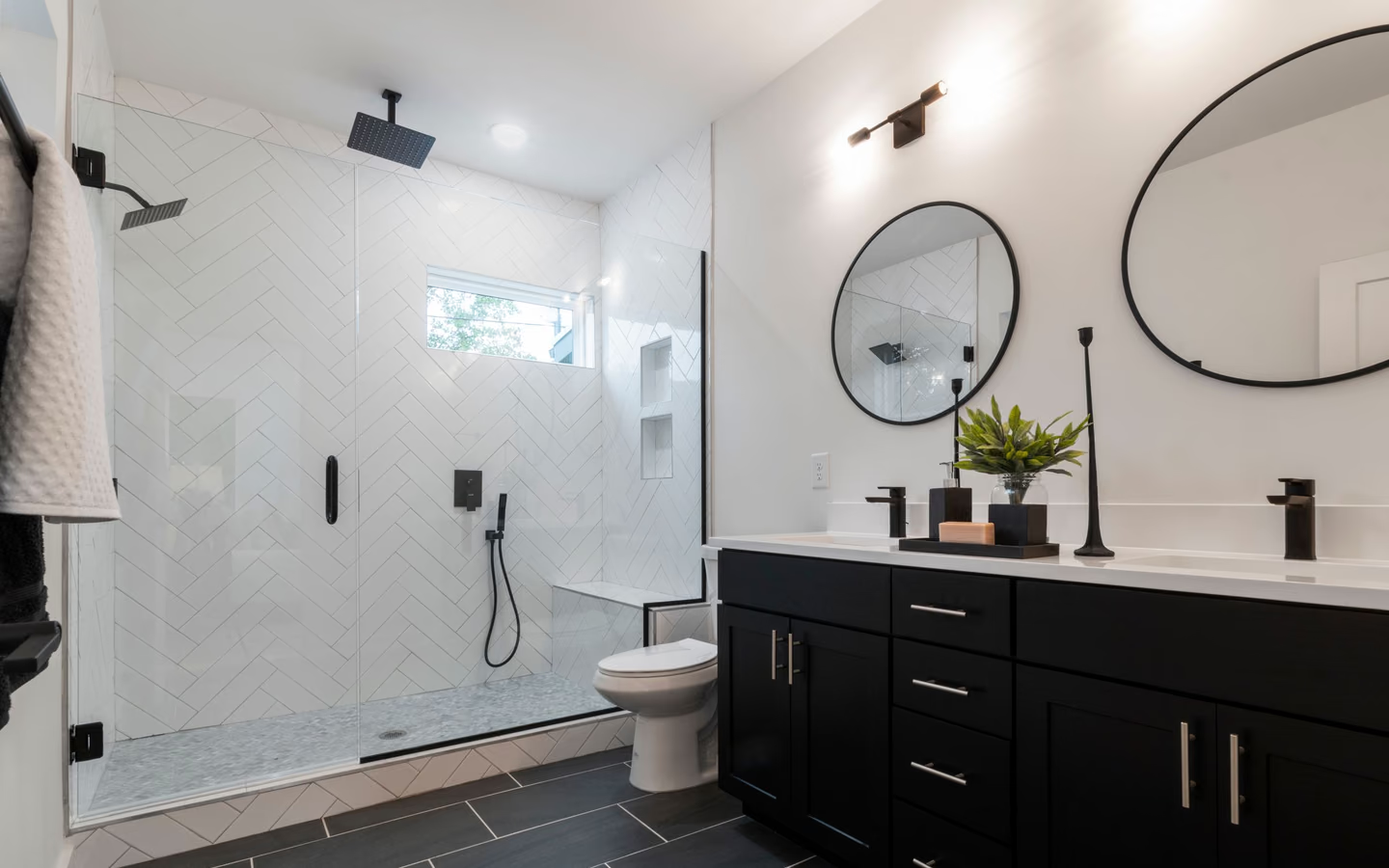
The alternatives deserve the same table: a low-threshold shower with a quality seat and handheld serves many of the same needs without the waits, often at lower cost and with easier caregiver access; a standard tub with lifts or transfer benches serves some situations; and sometimes the answer is both, a shower for daily use and bathing kept elsewhere. Specialist input, an occupational therapist's assessment in complex situations, converts guesswork into fit.
Walk-in tub factors, bather by bather

Each row is a factor that varies by person and house; fill in yours before any showroom.

Walk-in tub evaluation factors with what to verify.
TopicWhat to assessWhat decides it
Transfer and doorApproach, swing direction, and the remaining step height.The bather's real mobility, measured, not remembered.
The waitsSeated time while filling and draining, at your water pressure.Patience, warmth, and fast-fill hardware the house supports.
Hot-water capacitySustained warm supply for a seated full fill.Heater size and recovery against the unit's volume.
House systemsPower for features; floor structure for filled weight.Panel capacity and framing, confirmed in writing.
AlternativesLow-threshold shower, transfer aids, or both.The bather's needs ranked, ideally with specialist input.

Walk-in tub decision list

Work these lines with the bather present; the tub serves them, not the average.

The bather

  • The full sequence walked with the actual user

  • Seat height and door swing matched to their body

  • Warmth during waits honestly considered

The house

  • Hot-water capacity computed against the fill

  • Power and floor structure verified

  • Drain capacity checked for fast-drain claims

The decision

  • A low-threshold shower quoted beside the tub

  • Specialist assessment obtained in complex situations

  • Service and seal maintenance terms read

Bring these questions to the conversation

  • What are the real fill and drain times at my water pressure?

    Brochure minutes assume ideal supply. Ask for times at your pressure and volume, seated waits included, before judging the routine.

  • Can my water heater sustain a warm fill of this volume?

    The seated bather feels every capacity shortfall personally. The math is checkable; insist on it.

  • What maintenance does the door seal require, and what does failure look like?

    The seal is the format's critical component. Its care schedule, lifespan, and replacement path belong in writing.

  • Would a low-threshold shower serve this bather as well?

    The honest comparison question. A professional who quotes both and reasons openly is optimizing for the bather, not the invoice.

Common questions

Frequently asked questions

Are walk-in tubs worth the money?

For the right bather, one who bathes rather than showers, transfers safely through a door, and tolerates the waits, they restore something valuable. For others, a well-executed low-threshold shower delivers more independence per unit of budget. The bather decides, not the category.

Do walk-in tubs help with resale?

Treat them as a fit purchase, not an investment: they serve specific needs superbly and are neutral-to-specialized for general buyers. Homes are served best when the bathing suits the household living there now.

Sources and methodology

Research & methodology

Sources

References supporting the planning guidance on this page.

  1. Government sourceAccessed
  2. Bathroom Planning GuidelinesNational Kitchen & Bath Association
    Trade sourceAccessed

Share your project. Call when ready.

Turn your research into a clear project request

Share your project, full service address, and contact details securely, then call when you are ready to discuss availability with an independent professional.