The signals and what they usually mean
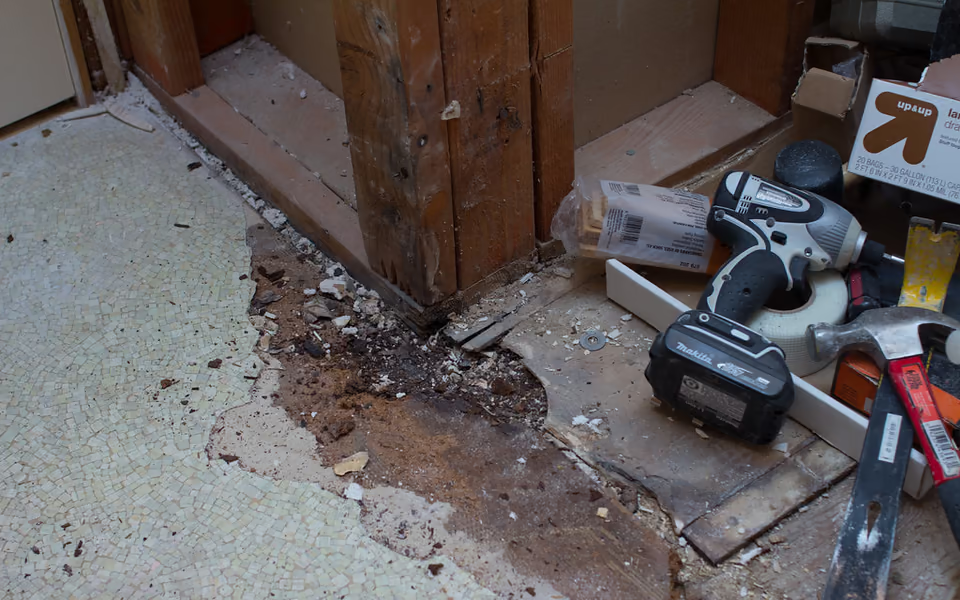
Movement is the headline signal: floors that flex, bounce, or feel spongy in defined zones suggest substrate that has lost stiffness, moisture-weakened panels, compromised fasteners, or framing at the end of an argument with water. A rocking toilet belongs in this family and deserves prompt attention, since the rock itself accelerates the seal wear that feeds the moisture that caused it.
Water's paper trail comes next: stains that return after cleaning, finish swelling at edges and thresholds, tile lines that crack along a path rather than randomly, and the caulk joint that fails on schedule no matter the product. Each says moisture is moving where it should not; none says exactly where from, which is precisely the diagnostic work that meters and experience exist to do.
The urgency ranking is practical: active leaks and rocking fixtures head the queue; spreading soft zones and returning stains follow closely; hairline cosmetic cracks in stable floors watch and wait. What converts any signal to urgent is combination, movement plus odor plus a stain, and history, a room over a past leak carries its record forward. The response at every tier is the same: document, then call qualified diagnosis, not the rental saw.