Showers and bathtubs guide

Glass is measured twice and forgiven never

Shower glass is precision construction pretending to be furniture: framed or frameless, fixed or operating, it must be planned before framing, supported by walls that can carry it, and measured only after finished surfaces exist. This guide covers the system choices, backing and hardware, splash logic, seals, cleaning reality, and the fabrication sequence that cannot be rushed.

How to plan the enclosure

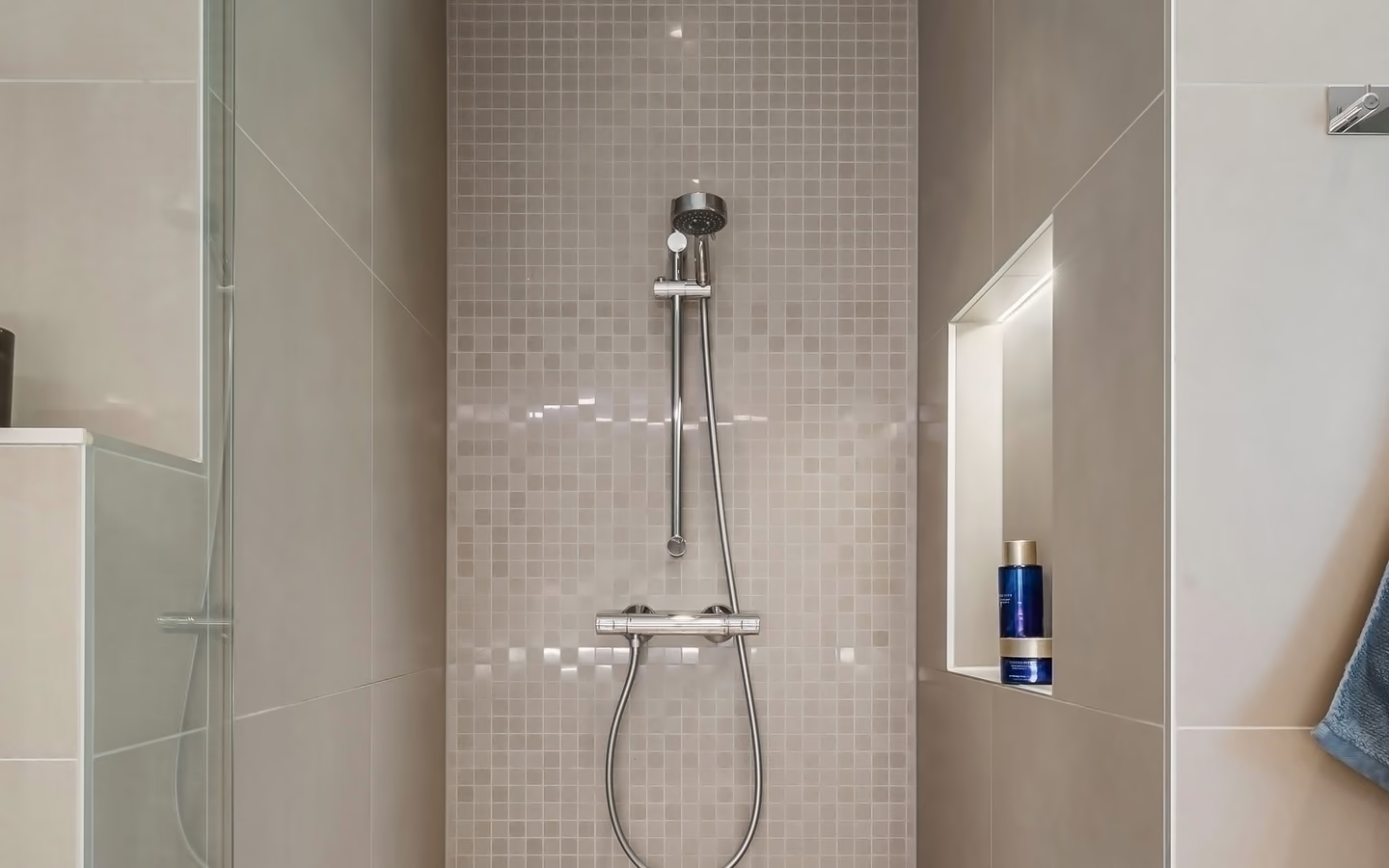
Decide the enclosure concept with the shower layout, not after it: what the glass must contain, where spray actually travels, which edges fix and which operate, and how the opening serves the least agile user. The glass plan feeds the framing plan, blocking where hinges and clips will load the wall, so the enclosure conversation belongs in the same week as the niche and valve conversations.

Then respect the fabrication sequence: custom glass is templated from finished, tiled openings, because tile thickness and real-world plumb decide the final dimensions. The measure-fabricate-install window is real calendar time at the project's end, and schedules that pretend otherwise finish with a beautiful shower and a plastic curtain.

The choices that define the enclosure

Framed versus frameless is a tolerance conversation: framed systems bring adjustment range and forgive walls that wander from plumb, sealing along their members; frameless panels are thick, heavy glass whose clean lines demand flat, plumb, well-backed openings and precise fabrication. The survey chooses honestly: a frameless quote on an out-of-plumb opening is a future argument with hinges.

Operation style sets daily life: swing doors want clearance and give the widest opening; sliders serve tight rooms with their track-cleaning tax; fixed panels with an open entry skip hardware entirely where the containment design allows. Hardware quality is the enclosure's longevity: hinges, rollers, and clips carry decades of cycles, and the difference between grades is felt every single day.

The edges do the sealing: sweeps at the floor, seals at closing edges, and silicone where the method calls for it, each a maintenance item with a replacement cycle rather than a one-time install. Splash logic finishes the design, glass placed where water travels, headers or braces where spans need stiffening, and the drip edge details that keep the floor outside dry.
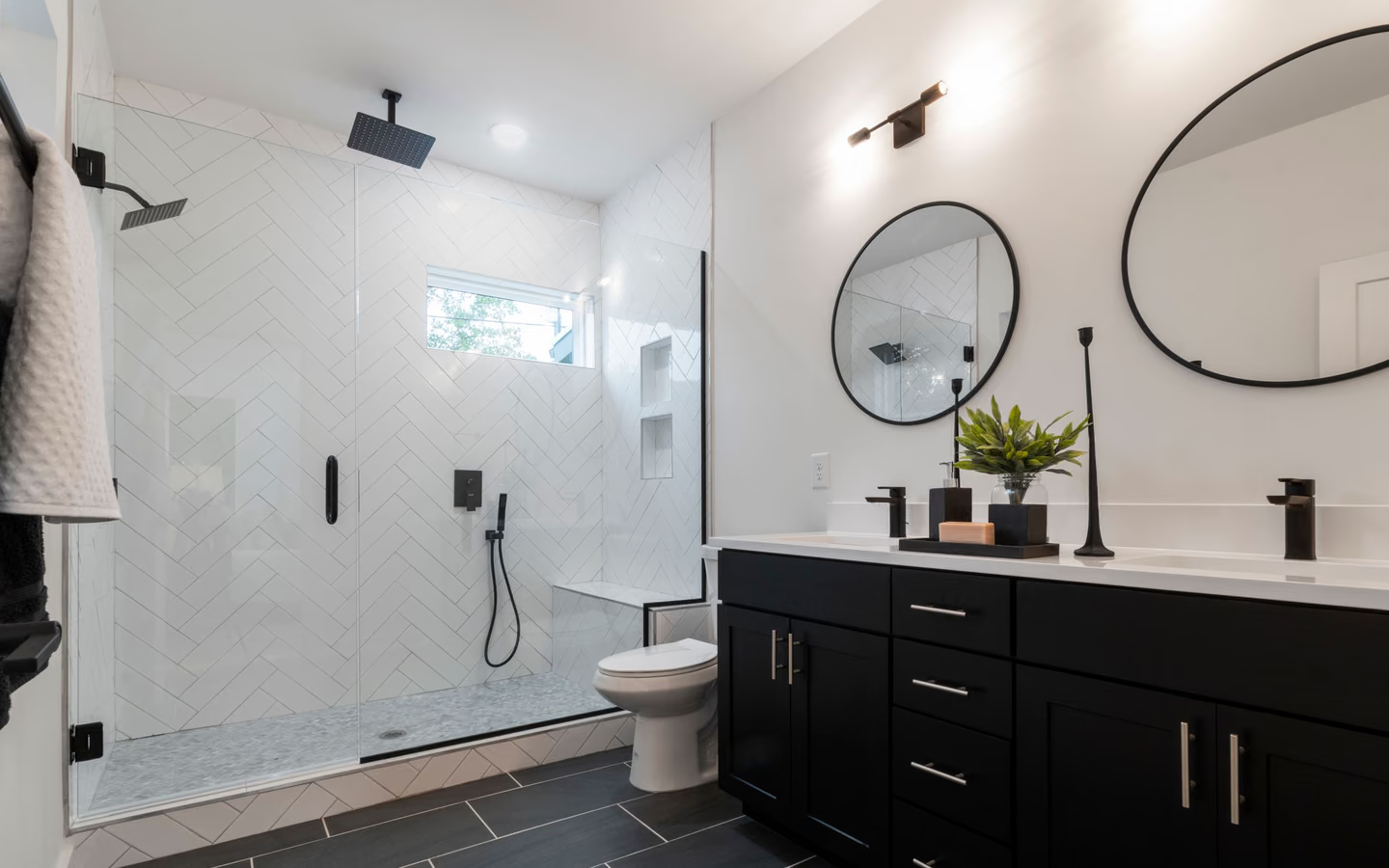
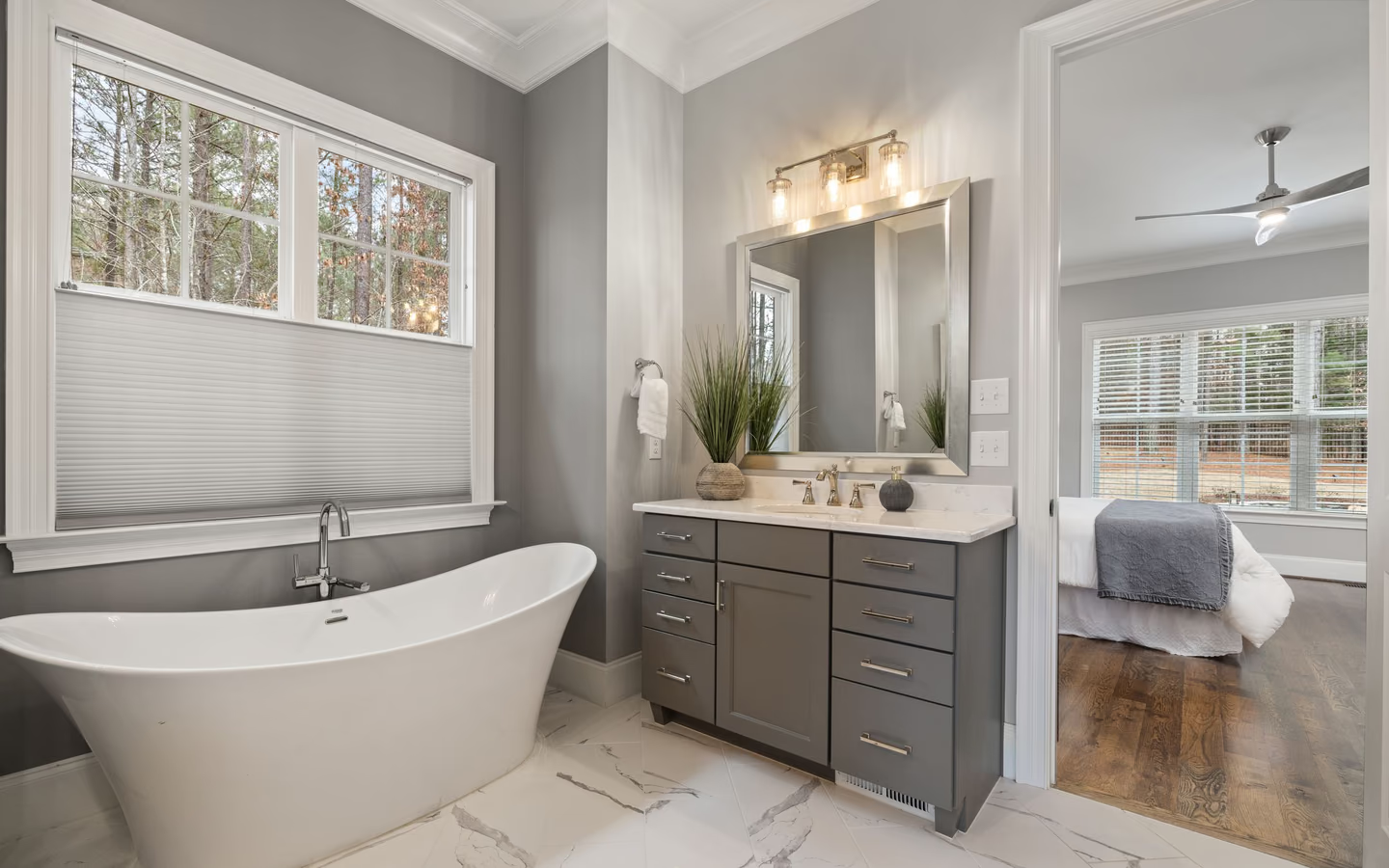
Enclosure decisions and what drives each

The rows run from concept to maintenance; each pairs the choice with its honest driver.

Shower glass decisions with their drivers.
TopicThe optionsWhat should decide
SystemFramed, semi-frameless, or frameless.Wall plumb and flatness, budget, and the look's priority.
OperationSwing, slide, fixed panel, or open entry.Clearances, users, and the containment design.
SupportBlocking and backing at every load point.Decided at framing; glass hangs on preparation.
HardwareHinges, rollers, clips, and their grade.Daily cycles for decades; buy the mechanism, not the finish.
Seals and sweepsEdge treatments with replacement cycles.Containment need, and honesty about maintenance.

Enclosure sequence checklist

Glass rewards sequence discipline; these are the checkpoints.

At layout

  • Glass concept drawn with spray travel and door swing

  • Blocking planned where hinges and clips will load

  • The least agile user's entry considered

At finish

  • Openings templated after tile, never from drawings

  • Plumb and flatness surveyed before frameless promises

  • Fabrication window placed on the real calendar

At install

  • Hardware grade verified against the quote

  • Sweeps and seals fitted and their care explained

  • First-week silicone cure respected before soaking

Bring these questions to the conversation

  • Is my opening plumb and flat enough for frameless?

    The survey answer decides the system honestly. A fabricator who measures before promising is protecting your hinges and their reputation.

  • Where will this glass load my walls, and what backing exists?

    Hinged panels concentrate real force. The blocking answer must reference framing that exists or gets added now.

  • What is the measure-to-install window for my glass?

    Custom fabrication owns the project's tail. Get the window in the schedule so the finished shower is not waiting weeks behind a curtain.

  • Which seals and sweeps will this enclosure need, and how often do they renew?

    Edge components are consumables with cycles. Knowing the renewal story now sets honest expectations for year five.

Common questions

Frequently asked questions

Why is frameless glass so much more expensive?

Thicker tempered panels, precision fabrication to a surveyed opening, and heavier hardware rated for the load. The premium buys a look and a tolerance regime together; on walls that cannot meet the regime, framed systems are the smarter spend.

How do I keep shower glass looking new?

Water management first, a squeegee habit or rinse aid does more than any product, and mild cleaners that spare the hardware's finish. Coated glass options reduce spotting; nothing eliminates the physics of mineral-rich water drying on a pane.

Sources and methodology

Research & methodology

Sources

References supporting the planning guidance on this page.

  1. Bathroom Planning GuidelinesNational Kitchen & Bath Association
    Trade sourceAccessed
  2. Trade sourceAccessed

Share your project. Call when ready.

Turn your research into a clear project request

Share your project, full service address, and contact details securely, then call when you are ready to discuss availability with an independent professional.