Moisture, ventilation, and concealed conditions guide

Wire the bathroom for the room it is becoming

A remodel changes the bathroom's electrical appetite, more lighting, ventilation with controls, outlets where devices actually live, floor heat, specialty fixtures, and the open walls are the cheap moment to feed it. This scoped review covers panel capacity, circuits, required protections, placement, wet-location rules, permits, testing, and labeling.

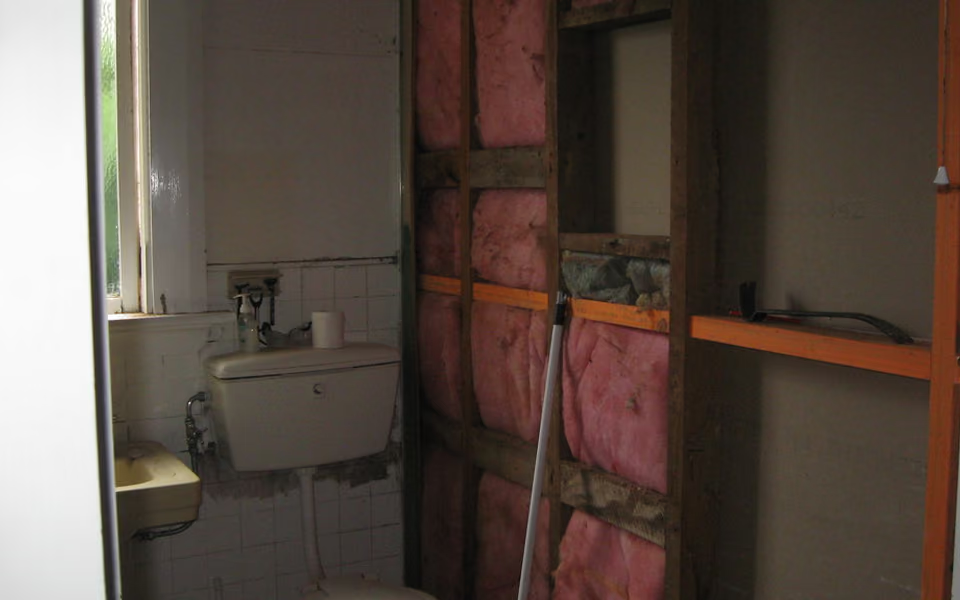
Open bathroom wall showing framing, insulation, and electrical routes
Bathroom renovations

How to scope the electrical review

Count the new room's real loads before anyone pulls wire: every planned light, the fan and its controls, outlets at each station including inside cabinets, floor heat if considered, bidet seat power, defoggers, and audio or specialty items. The count, not the old room's habits, tells the professional whether existing circuits stretch or new ones run, and whether the panel itself has the headroom.

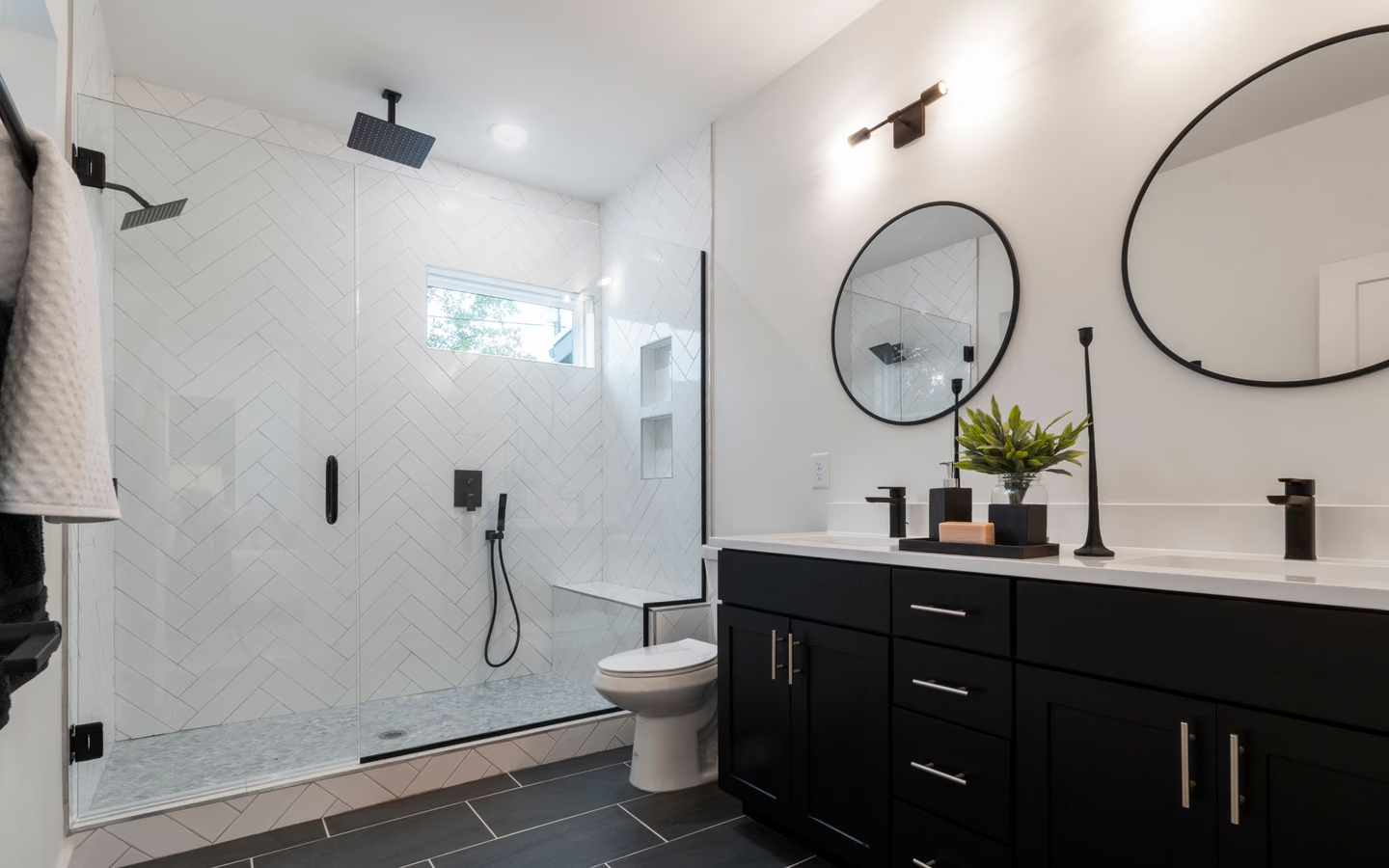
Then let placement follow use and rules together: outlets where devices actually charge and operate, at counter height, inside a cabinet for the toothbrush, near the toilet for a future bidet seat; switches where wet hands are not the operators; and every device in the bathroom's zones carrying the protection and ratings its location demands, which is settled territory in modern practice and exactly what permits and inspection verify.

The candidates that earn the open wall

Protection upgrades lead on merit: bathrooms concentrate the exact conditions modern protective devices exist for, and a remodel is the natural moment to bring the room's circuits and devices to current expectations, with wet and damp locations getting fixtures rated for their zones. This is the least glamorous line in the project and the one whose value nobody debates.

Capacity and circuits come next: heat tools at two stations, floor warming, and a ventilation system with runtime controls add real load, and circuits sized in the plan beat breakers discovered at peak morning. Inside the walls, the wiring era matters as plumbing's does, older methods and materials found during demolition deserve assessment on evidence, and the panel conversation, capacity and condition, belongs early when new loads are meaningful.

The livability layer finishes it: lighting circuits separated and switched by layer, ambient, face, night, so the design's scenes actually operate; an outlet roughed where the bidet seat might go, costing pennies now; the fan's controls given their timer or humidity logic; and everything labeled at the panel in plain language before the drywall hides the story. Testing and inspection close the loop, devices exercised, protections tripped and reset, and the paperwork filed.
Electrical candidates and their reasoning

The rows run from obligatory to opportunistic; each carries its open-wall logic.

Bathroom electrical candidates with decision logic.
TopicWhy it earns the momentPlacement notes
Protection to current standardsWater and electricity share this room by design.Devices and ratings per zone; inspection verifies.
Circuit capacityNew loads counted: heat tools, floor warmth, ventilation.Sized in the plan, not discovered at the breaker.
Outlet placementDevices live at stations, cabinets, and the toilet wall.Counter height, in-cabinet charging, bidet rough-in.
Layered lighting circuitsScenes need switching the walls must carry.Ambient, face, and night runs separated.
Labeling and recordsThe panel's story outlives everyone's memory.Plain-language labels; photos before closure.

The electrical review list

Complete these lines while the walls are open and the electrician is present.

Count

  • Every planned load listed, floor heat included

  • Panel capacity and condition reviewed early

  • Old wiring eras assessed where exposed

Place

  • Outlets mapped to real device habits

  • Bidet-seat power roughed at the toilet wall

  • Switching planned per lighting layer

Verify

  • Zone ratings and protections confirmed

  • Devices tested, protections exercised

  • Panel labeled and wiring photographed

Bring these questions to the conversation

  • Does my panel carry this room's new appetite?

    The capacity answer, in writing, before design hardens. Upgrades triggered here belong in the budget's first draft, not its last.

  • Which circuits will this bathroom run on when finished?

    The circuit map shows whether the plan matches the loads. Shared, stretched circuits reveal themselves at the worst hour of the morning.

  • What protection will each zone's devices carry?

    Settled territory with checkable answers; the response should name the protections and the zones without hedging.

  • Can we rough in the maybes now: bidet power, floor heat, cabinet outlets?

    Wire is cheapest in open walls. The maybe list, priced now, is the room's future flexibility.

Common questions

Frequently asked questions

Do bathroom electrical changes need permits?

Requirements vary by jurisdiction and scope, and bathroom circuits are precisely where review earns its keep; confirm locally before work starts. The inspection record also documents that protections exist, which future buyers and insurers appreciate.

Is floor heat a big electrical decision?

It is a real load with its own circuit and control logic, decided before flooring since the wire lives underneath. As an open-wall, pre-tile decision it is modest; as a retrofit wish it means a new floor, which is the whole argument for deciding now.

Sources and methodology

Research & methodology

Sources

References supporting the planning guidance on this page.

  1. Occupational Employment and Wage StatisticsU.S. Bureau of Labor Statistics
    Government sourceAccessed
  2. Ventilation FansENERGY STAR
    Government sourceAccessed
  3. Bathroom Planning GuidelinesNational Kitchen & Bath Association
    Trade sourceAccessed

Share your project. Call when ready.

Turn your research into a clear project request

Share your project, full service address, and contact details securely, then call when you are ready to discuss availability with an independent professional.